
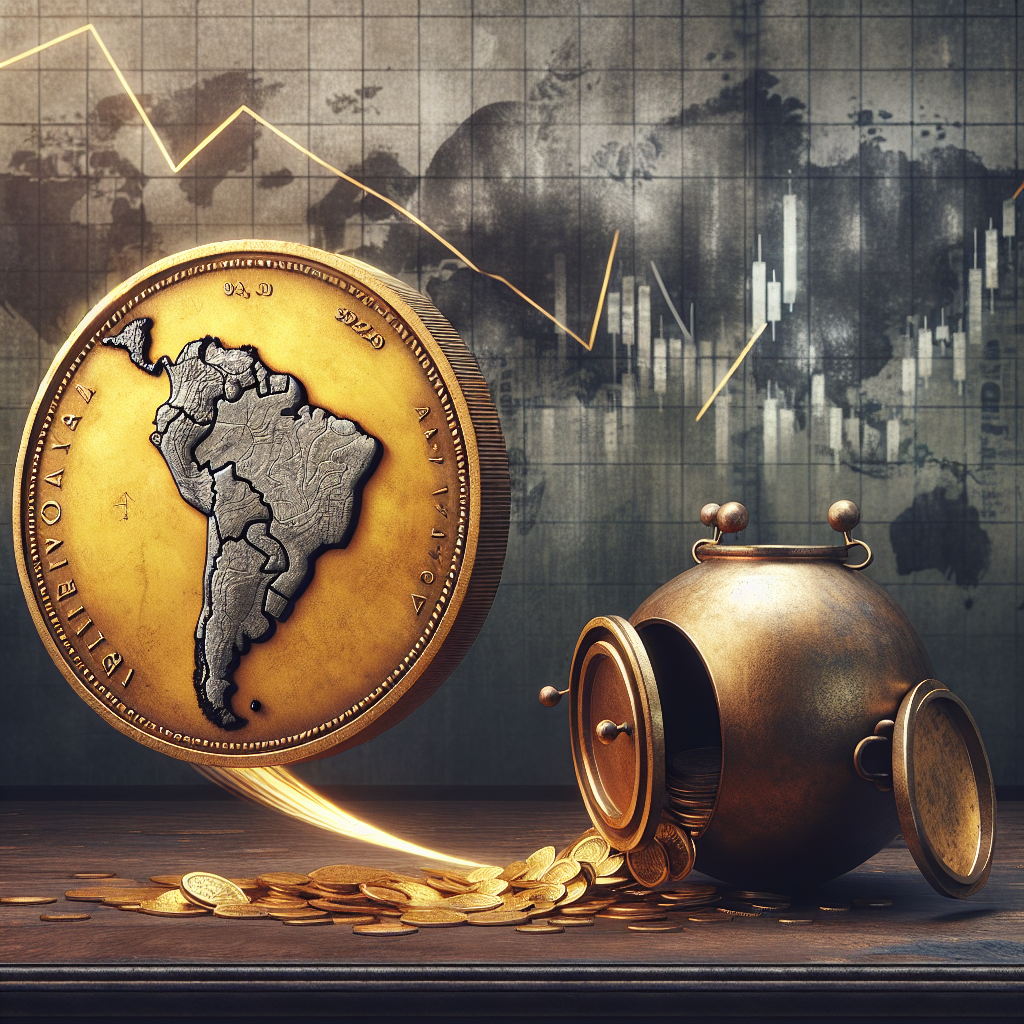
The financial markets in Brazil are in a panic, reflecting a lack of investor confidence in President Luiz Inácio Lula da Silva’s fiscal policy. The Brazilian real has hit a record low against the US dollar, prompting aggressive central bank interventions to prop up the currency. This sell-off has also affected share prices and increased government borrowing costs.
The concerns stem from worries that not enough is being done to address the country’s chronic budget deficit. Despite Finance Minister Fernando Haddad’s efforts to secure congressional approval for spending cuts, economists warn that without stronger measures, Brazil’s public debt could reach unsustainable levels, leading to negative repercussions on inflation, interest rates, and economic growth.
The situation poses a significant challenge for Lula, who is facing criticism for his administration’s approach to fiscal management. While his policies have led to improvements in living standards and a forecasted GDP growth of 3.4% in 2024, skeptics argue that the current economic performance is unsustainable and reminiscent of past policies that contributed to a severe economic downturn under Dilma Rousseff.
Supporters of Lula argue that the economy remains robust, with lower inflation and reduced poverty rates compared to previous years. However, concerns about high interest rates and inflation persist, prompting calls for a more balanced approach to economic policy.
As Brazil grapples with these challenges, the central bank’s independence has come into question with the appointment of a new governor by Lula. Inflation above the target limit has led to interest rate hikes, further complicating the economic outlook.
Despite government assurances of fiscal adjustments and efforts to reduce the budget deficit, concerns remain about Brazil’s rising public debt and the challenges of financing it. With limited room for major cost savings due to mandatory spending on pensions and social benefits, the path to fiscal stability remains uncertain. After surpassing the six-dollar mark for the first time last month, the Brazilian real hit an all-time low of 6.32 before bouncing back to 6.07. This marks a 20% decrease against the US dollar in 2024, contributing to inflationary pressures. Some traders believe the market’s reaction is exaggerated, while members of Lula’s Workers’ Party accuse financial speculation of trying to undermine the government.
Gleisi Hoffmann, the party’s leader, expressed concerns about the market’s influence on public sentiment and the real’s decline, attributing it to a perceived political agenda. The currency’s decline was initially triggered by delays in spending cut announcements and aggravated by a surprise income tax exemption for lower-income earners, which critics viewed as a populist move.
Despite the central bank’s interventions and substantial foreign exchange reserves of around $340 billion, there is a growing belief in financial circles that the government may need to implement new austerity measures to restore investor confidence. Some traders suggest that a sudden rate hike by the central bank could also be considered.
Leonardo Calixto, co-chief executive of REAG Asset Management, highlighted the prevailing pessimism in the market, emphasizing the lack of immediate solutions. The situation suggests that the government may face pressure to address the ongoing economic challenges and regain market stability.
Original article with HTML tags, images, and key points preserved.