
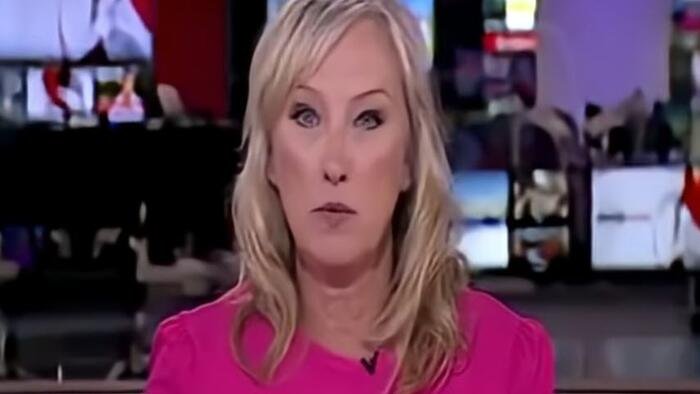
Recently, a controversy has arisen at the BBC following a correction made by presenter Martine Croxall on air. During a segment, she changed a reference to “pregnant people” to “women,” sparking a debate on language and inclusivity.
After receiving 20 complaints, the network concluded that Croxall had violated network policies. However, the situation has raised questions about the standards being enforced and the implications for on-air staff expressing personal views on divisive subjects.
In the segment in question, Croxall mentioned a study by the London School of Hygiene and Tropical Medicine and quoted researcher Malcolm Mistry’s recommendation for precautions for vulnerable groups. The change from “pregnant people” to “women” was accompanied by a facial expression that some interpreted as conveying bias.
The BBC’s Executive Complaints Unit (ECU) noted that the facial expression could be seen as expressing a personal viewpoint on a controversial issue, particularly related to transgender identity. This led to a reassessment of the situation by the network.
While there is no specific BBC rule mandating the use of “pregnant people” over “women,” the incident has highlighted the challenges of navigating language choices in a sensitive and evolving societal landscape.
Initially, the BBC supported Croxall’s correction as a clarity issue and not meant to be disrespectful. However, as more complaints were received, the network revised its stance, leading to further scrutiny of the incident.
The broader implications of this incident extend beyond BBC’s editorial guidelines to larger societal debates on language, identity, and free speech. As individuals and groups increasingly use complaints to challenge opposing views, the line between expression and censorship becomes blurred.
Ultimately, the BBC’s handling of this issue underscores the complexity of addressing sensitive subjects on air while upholding journalistic standards and impartiality.
Loading recommendations…