
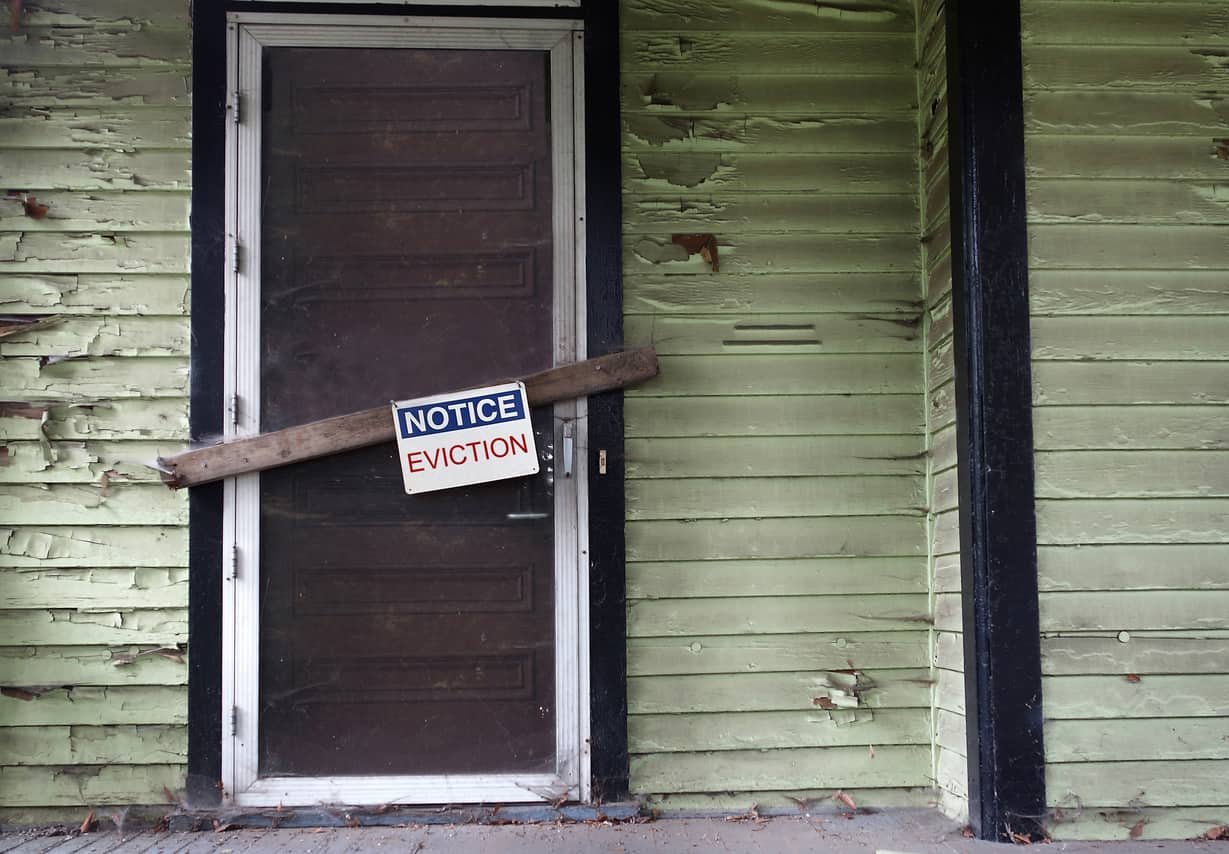
If you find out that your property has been condemned, it can be a daunting experience. You may be wondering if you’re stuck with a property that can’t be sold. The good news is that you can indeed sell a condemned house. While the process may be different from a typical home sale, there are several viable options available to you.
Why Would a House Be Condemned?
A condemned house is a property that local government authorities have officially declared unsafe or uninhabitable. This designation means the home violates local housing codes or presents safety hazards that prevent people from legally living there. Understanding the reasons why your property was condemned is the first step towards determining how to sell it.
Common Reasons for Condemnation
Structural Issues:
- Damage from natural disasters
- Aging or poorly constructed building
- Compromised building safety
Health Hazards:
- Presence of black mold
- Lead paint issues
- Severe pest infestations
Utility Problems:
- Disconnected water, electricity, or heat
- Non-functional essential services
Vacancy and Neglect:
- Extended vacancy (typically 60+ days)
- Accumulated code violations
- Property abandonment
Illegal Activities:
- Involvement in drug manufacturing
- Criminal operations
Eminent Domain:
Eminent domain is a specific type of condemnation that is unrelated to the condition of the home. Sometimes, the government may acquire private property for public purposes, providing compensation to the property owner in return.
- Government’s need for land for public projects
- Properties condemned for highways, parks, or infrastructure
- Owners entitled to compensation
Owner Rights After Condemnation
As the property owner, you maintain certain rights even after condemnation. The government’s role is to ensure that safety standards are met, provide guidelines, and set timelines for necessary repairs.
Property owners have rights to:
- Appeal the condemnation decision
- Request extensions for repairs
- Work towards bringing the property up to code
- Negotiate with authorities
Can You Legally Sell a Condemned House?
The short answer: yes
Selling a condemned house is legal in most areas. The process is similar to selling a habitable home but with some important considerations:
The Buyer Pool Challenge
Traditional homebuyers usually cannot secure financing for condemned properties. Unfortunately, most lenders see uninhabitable homes as inadequate collateral.
Your potential buyers may include:
Disclosure Requirements Are Critical
Almost every state legally mandates sellers to disclose the condemned status and known defects of a property.
What you must disclose:
- Condemned property status
- Specific violations
- Structural issues
- Safety hazards
Consequences of non-disclosure:
- Lawsuits for fraud
- Breach of contract claims
- Financial penalties
- Sale reversal
State Law Variations
Certain areas have specific rules regarding disclosure requirements and the handling of condemned property sales. In some cases, selling before official condemnation can help avoid complications, but known structural or safety issues must still be disclosed.
Your Options When You Own a Condemned House
Option 1: Sell As-Is to Cash Buyers
Process:
- Sell the property in its current condition
- No repairs required
- Quick transaction
Best for:
- Homeowners in need of a quick sale
- Those unable to afford repairs
- Individuals looking to avoid renovation stress
Trade-off: Lower sale price for convenience and speed
Option 2: Auction Sales
Process:
- Property sold at a public or private auction
- Quick resolution
- Potential for competitive bidding
- Reaches an investor audience
Best for:
- Homeowners in need of a quick sale
- Those unable to afford repairs
- Individuals looking to avoid renovation stress
Option 3: Fix Up the Property First
Required Steps:
- Address all code violations
- Obtain necessary permits
- Complete repairs
- Schedule re-inspection
- Pass inspection
- List the property for sale
Best for:
- Homeowners with financial resources
- Those with time to oversee repairs
- Situations where repairs can maximize value
Trade-off: Higher upfront investment for potentially higher sale price
Option 4: Eminent Domain Compensation
Applies when:
- Government has condemned the property for public use
- Property cannot be sold on the open market
Process:
- Negotiate compensation with the government
- Work with a real estate attorney
- Ensure fair market value payment
How to Sell a Condemned House As-Is
Why Do Investors Buy Condemned Properties?
- They can acquire property at a significantly lower price
- Properties have the potential to generate profit after renovation
- Investors have established relationships with contractors
- Most investors are familiar with regulations and codes
Plan to Sell to Cash Buyers
Cash Buyer Advantages:
- Quick closings (days or weeks)
- No financing contingencies
- Purchase properties in any condition
- Handle complex paperwork
Getting a Fair Value for Your Condemned Property
Steps to Ensure Fair Pricing: