
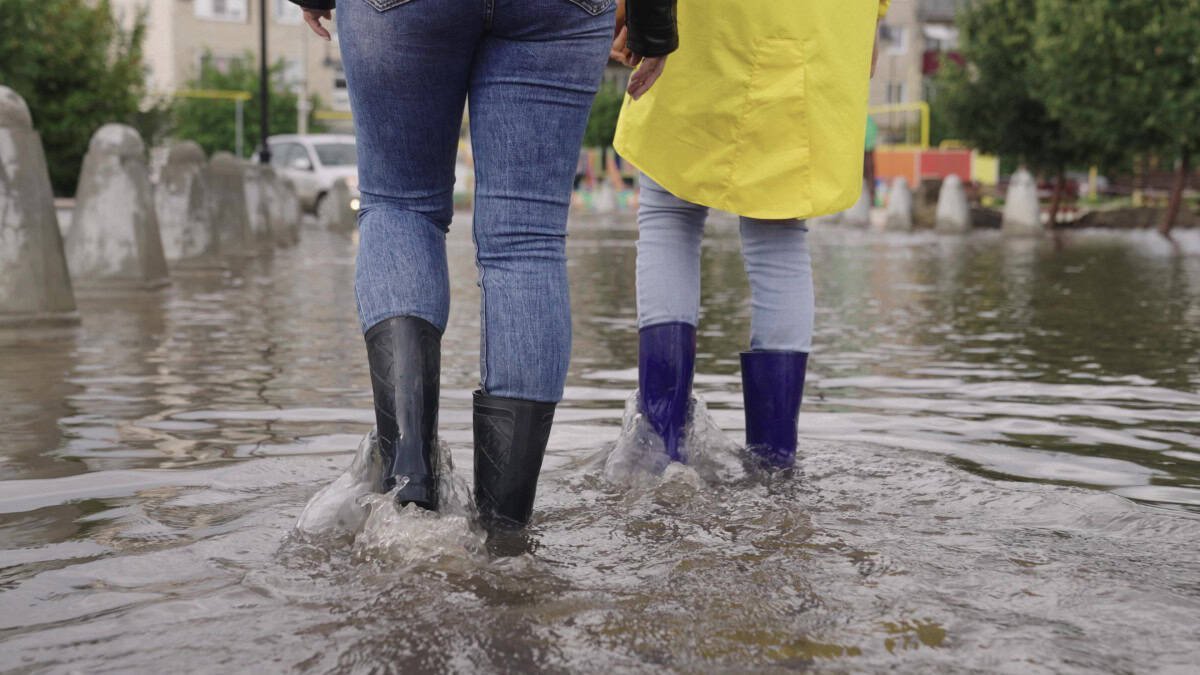
The recent flooding in Washington has caused disruptions for many families and neighborhoods, especially in areas of Skagit, Whatcom, Snohomish, and King counties. Rising rivers and heavy rainfall led to evacuations, road closures, and property damage.
Our thoughts are with everyone affected by the floods in Washington state. Here are some trusted resources to help residents stay safe, access recovery and housing support, and find ways to support their communities during this challenging time.
Immediate Safety Measures
It is important to remain cautious as floodwaters can still pose dangers even after the storms have passed. Stay informed with official guidance from local authorities before traveling, returning home, or assessing damage.
For state-specific information and up-to-date alerts, flood status reports, and guidance, refer to the following trusted sources:
These resources provide information on interpreting flood alerts, potential hazards post-storm, and recommendations from agencies. Stay updated by checking these official sources regularly as the situation evolves.
Where to Seek Immediate Assistance
If you or someone you know requires immediate assistance or has been displaced, the following organizations and programs can provide essential support and services:
Emergency Shelter and Assistance
For displaced residents in need of immediate support, the American Red Cross – Washington Flood Support is offering emergency shelter, meals, water, blankets, and basic supplies for families in affected communities.
The Red Cross can assist in connecting displaced individuals with nearby shelter options and partner services.
Local Flood Response and Community Support
For timely county-specific assistance, local agencies and community organizations are the best sources. Below are resources based on the affected areas:
Skagit County
Community Action of Skagit County is coordinating flood response and recovery efforts in the county, offering resources such as sandbag distribution, food, hygiene supplies, utility and rental assistance, and disaster cash assistance program information.
Whatcom County
Residents in Whatcom County can access local flood updates, evacuation guidance, and emergency resources HERE through county emergency management and partner agencies.
Snohomish County
Snohomish County residents can find flood alerts, preparedness guidance, and recovery resources from local emergency management agencies. Information on road closures, evacuation notices, and support services can be found HERE.
King County
The King County Flood Control District provides tools and information to help residents prepare for and respond to flooding, including flood risk maps, preparedness tools, sandbag locations, and flood response updates.
Federal and State Assistance Programs
Apart from local resources, state and federal programs may offer assistance for residents dealing with flood-related losses. This support can include temporary housing, home repair help, disaster unemployment aid, and low-interest loans for individuals and small businesses.
Disaster Assistance (FEMA and More)
Residents affected by the Washington floods may be eligible for federal aid if a disaster declaration is issued. This assistance can cover temporary housing, home repair grants, low-interest loans, and unemployment support post-disaster.
Check eligibility and apply for assistance at Disaster Assistance for application initiation, program details, and required documentation.
Housing, Insurance, and Recovery Steps
If your home suffered damage from the Washington state floods, taking certain steps early on can facilitate the recovery process and access necessary support:
Document Everything
- Capture photos and videos of the damage before cleanup.
- Retain invoices and receipts for repairs or temporary accommodation.
- Keep records of all interactions with contractors or insurers.
Flood Insurance
Most standard homeowner and renter policies do not cover flood damage unless you have a separate policy. Verify your flood zone and risk on FEMA’s map service and consider obtaining flood insurance if not already in place. Learn about coverage options at FloodSmart.gov.
Ways to Support Your Community
Recovery is a gradual process, and offering assistance even if not directly affected can make a significant impact. Here are meaningful ways to aid those impacted by the Washington floods:
1. Monetary Donations
Local organizations are accepting financial and in-kind donations to help communities affected by the floods.
2. Volunteer Opportunities
Volunteer efforts can provide meaningful assistance without overwhelming response teams. Consider volunteering through reputable organizations such as the American Red Cross or VolunteerMatch, ensuring support reaches those in need.
3. Donate Supplies
Contribute specific items requested by local shelters or response groups to avoid overwhelming staff. Uncoordinated donations can sometimes create logistical challenges.
4. Share Reliable Information
Disseminate accurate and current information to help your networks navigate the recovery process effectively, including local evacuation details, state and federal aid links, and safety guidance from official sources.
Wildlife and Animal Concerns
Apart from people and homes, the Washington floods can impact wildlife and pets. Animals may seek refuge in unfamiliar areas during and after floods, requiring special attention:
For wildlife encounters, maintain a safe distance and contact the local Washington Department of Fish & Wildlife or licensed wildlife rehabilitators for guidance.
For pets and livestock:
- Evacuate animals whenever possible and include them in emergency plans.
- Keep pets away from standing water and monitor them for signs of illness or injury post-flooding.
Support local animal shelters, wildlife rehabilitation centers, or pet-focused relief efforts assisting animals impacted by the Washington state floods.
Mental Health and Emotional Support
Dealing with flooding and displacement can have emotional repercussions in addition to physical challenges. Stress and other emotional responses are common during and after a disaster, and it’s essential to seek support:
Access mental health services, housing support, food assistance, and other local resources by dialing 211 or visiting wa211.org.