
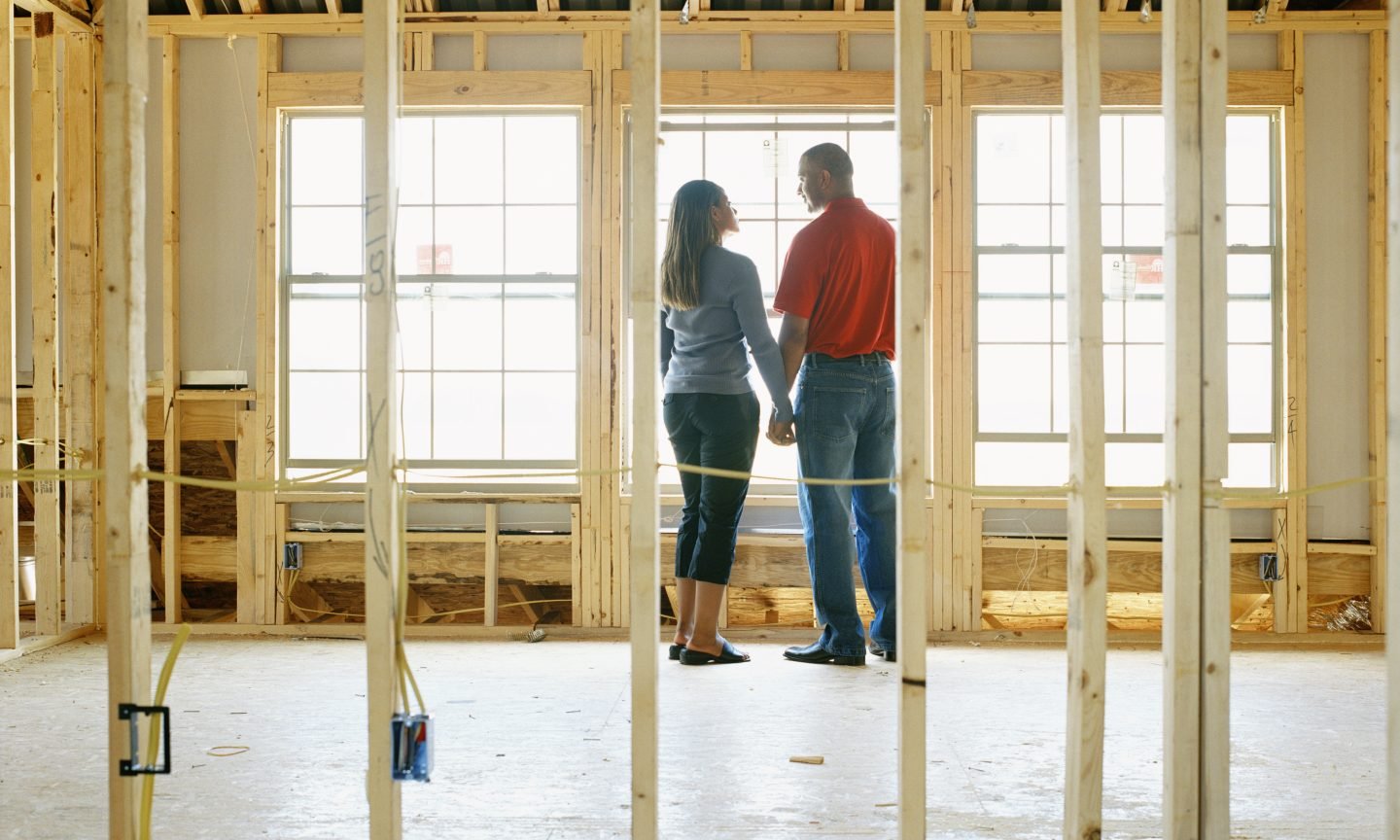
Your home is not just a place to live, but also a valuable financial asset. Homeowners without sufficient insurance can face financial devastation when disaster strikes and they are left homeless and unable to rebuild.
Underinsurance is a common issue. According to Emily Rogan from United Policyholders, many homeowners are surprised to find out that their insurance coverage is not enough to fully rebuild their home after a major loss.
A study found that 74% of homeowners affected by the Marshall Fire in December 2021 did not have sufficient insurance to replace their homes, with an average underinsurance amount of $139,000.
To prevent financial hardship in case of destruction, it is crucial to have adequate insurance coverage for rebuilding.
Additional features may come at an extra cost, but they provide added protection by increasing coverage for rebuilding expenses.
With extended replacement cost, you can receive up to 50% more than your dwelling coverage amount for rebuilding purposes. Guaranteed replacement cost ensures your home can be replaced in its original condition, even if it exceeds policy limits.
Step 3: Check for inflation guard.
Inflation guard automatically adjusts coverage limits annually to account for inflation, ensuring your policy keeps up with rising costs.
Lastly, it’s important to compare insurance policies regularly to identify any coverage gaps and potentially secure better rates while maintaining adequate financial protection for your home.
Homeowners should view updating their insurance as part of their disaster preparedness plan, a process that can be straightforward and beneficial.
According to Rogan, staying informed about your insurance coverage is crucial in today’s environment. Neglecting to review and update your policy regularly could leave you paying for inadequate protection.