
According to recent polls, approximately half of the US population aligns with feminism and feminist activism, although there has been a decline in Gen Z men supporting these movements. Despite this seemingly large base of feminist allies, their absence in movie theaters when it comes to supporting films with overt feminist messaging raises questions about the true existence of a widespread feminist movement.
The prevailing theory suggests that the public has been misled, and the idea of a vast feminist movement is nothing more than a facade, a figment of imagination. This realization has become increasingly evident as audiences have become more attuned to the woke propaganda agenda prevalent in Hollywood. The financial failures of films and streaming series that push far-left narratives underscore the lack of audience interest in such projects.
In an attempt to attract viewers, the entertainment industry has resorted to camouflaging feminist propaganda behind popular branding and deceptive marketing tactics. While some projects may find a niche audience on progressive streaming platforms like Netflix, they still struggle to generate substantial revenue and often rely on minimal marketing efforts.
Contrastingly, about two decades ago, feminist art house films, LGBT dramas, and race-based commentaries were produced with modest budgets of around $10 million each and were primarily featured at festivals like Sundance and Cannes. However, today major studios are investing exorbitant amounts, upwards of $150 million, in both production and marketing costs for similar film school projects, only to witness dismal box office returns.
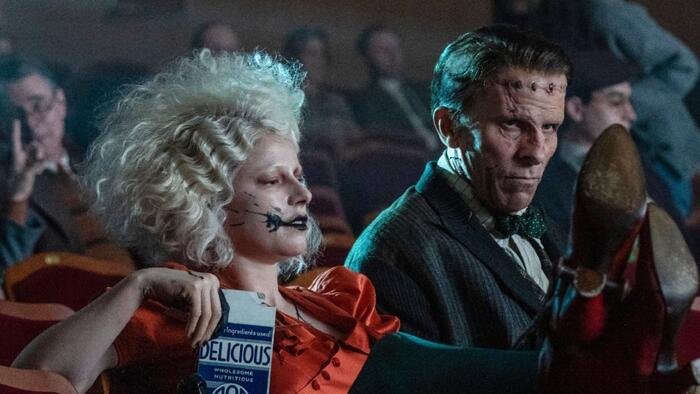
A recent example of this trend is the feminist monster film “The Bride,” directed by Maggie Gyllenhaal, which reimagines the classic Frankenstein story through a feminist lens. Despite a staggering total budget of $155 million, the film has struggled at the box office, marking it as one of the biggest flops of the year.
The storyline of “The Bride” revolves around a woman possessed by the spirit of Mary Shelley, seeking to tell the untold story of the bride of Frankenstein. As the narrative unfolds, themes of patriarchy, male violence, and female empowerment are interwoven, culminating in a violent spree of revenge and destruction perpetuated by the female protagonist and her male accomplice.
Ultimately, the film’s failure highlights the disconnect between Hollywood’s woke agenda and audience preferences, signaling a need for a shift towards more authentic and engaging storytelling. As the entertainment industry grapples with declining viewership and mounting production costs, the future of filmmaking may lie in the hands of emerging talents who prioritize creativity over political agendas. following sentence:
“The quick brown fox jumps over the lazy dog.”
Rewritten sentence:
“The lazy dog is jumped over by the quick brown fox.”