
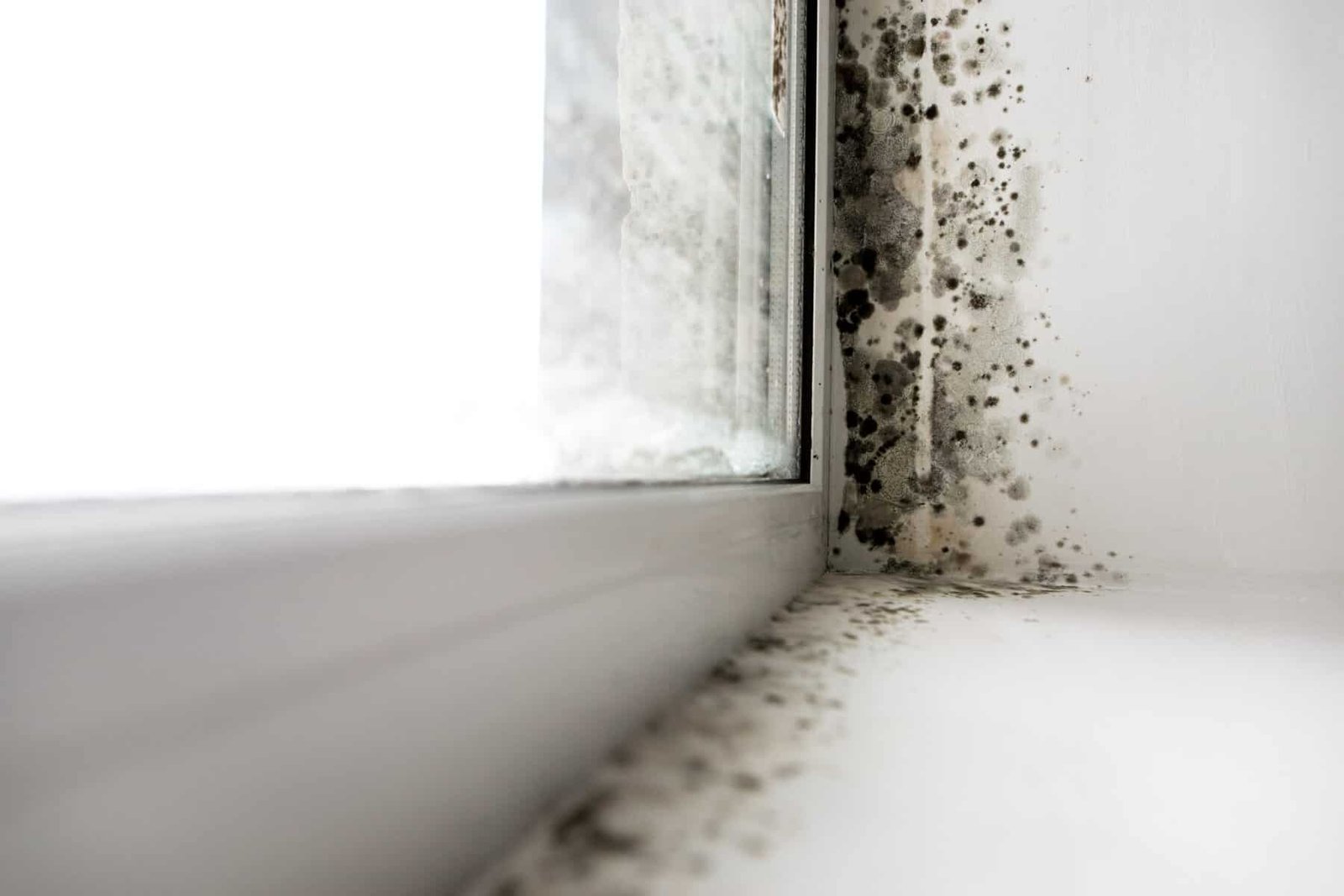
Mold is often a hidden issue that homeowners may overlook until it becomes noticeable. While settling into a new home and managing financial responsibilities like a home loan, it’s important to be aware of where mold is likely to develop and the reasons behind it. From homes in Austin, TX to Seattle, WA, moisture accumulation in specific areas can create the perfect environment for mold growth.
So, where are the common places for mold to grow in a house? Typically, it occurs in areas where moisture lingers, airflow is limited, and surfaces remain damp for extended periods.
Understanding the Root Cause of Mold Growth
Before delving into specific locations, it’s essential to grasp the primary cause of mold growth, which is often related to excess moisture in homes.
Jennifer, a Certified Biotoxin Assessor and Microbial Professional at Mold Help For You, explains, “Mold in homes is primarily a result of too much moisture, which can stem from leaks, high humidity, inadequate ventilation, or water intrusion caused by flooding or condensation. When materials like drywall, wood, or carpeting remain damp or wet, even briefly, they create an ideal environment for mold to thrive.”
The timeframe for mold growth can be shorter than anticipated. Tim Eyre, Vice President at RestoPros, adds, “Once moisture persists for 24 – 48 hours, mold finds the conditions necessary to establish and spread, leading small issues to potentially escalate into structural or health-related concerns if neglected.”
Therefore, identifying areas where moisture tends to accumulate is crucial when considering where mold grows in a house.
Common Areas Prone to Mold Growth in Homes
Certain areas are more susceptible to moisture, making them important to monitor and test for mold:
1. Basements and Crawlspaces
Basements are frequently cited as prime locations for mold growth in homes. They tend to be cooler, darker, and more humid, particularly if there are minor leaks or inadequate drainage.
Greg Bukowski, Founder and Co-Owner of mold and water damage specialists Moldman, points out, “Common problematic areas include basements, attics, crawlspaces, bathrooms, and any place with plumbing connections.” Even a slightly damp basement can create ideal conditions for mold, especially after heavy rainfall or spikes in humidity.
2. Bathrooms and Kitchens
Spaces that regularly encounter water and steam can become breeding grounds for mold. Bathrooms, kitchens, and laundry rooms often have higher humidity levels, especially if ventilation is lacking.
Felicia Fuller, DrPH, Vice President of the Chicago Asthma Consortium, elaborates, “Mold thrives in areas where moisture lingers, whether from a leaky pipe, damp basement, or unventilated humidity, such as Chicago summers.” Without proper airflow, moisture accumulation can make surfaces like walls, ceilings, and grout susceptible to mold growth.
3. Attics and HVAC Systems
Attics and HVAC systems may not be top-of-mind, but they can contribute silently to mold development. Jennifer emphasizes the importance of monitoring these areas. “Regular inspections of basements, crawlspaces, HVAC systems, plumbing, roofs, and windows, coupled with moisture control, are essential in reducing the risk of mold recurrence and safeguarding indoor air quality.”
Inadequate insulation, roof leaks, or condensation in ductwork can all create hidden moisture issues that go unnoticed for a period.
4. Around Plumbing and Concealed Leaks
Anywhere there are pipes, there’s potential for slow leaks. Even a minor drip behind a wall or under a sink over time can create an ideal environment for mold growth.
Tim notes that these slowly developing issues can be easily overlooked. “Mold problems in homes stem from moisture that doesn’t have an opportunity to dry, whether due to flooding, slow leaks, or humidity buildup in poorly ventilated rooms.” This underscores the importance of regular checks under sinks, around appliances, and near water lines.
Strategies to Minimize Mold Risk in Your Home
Once you’ve identified where mold is likely to grow, the next step is to mitigate conditions that promote its growth.
Experts unanimously agree that controlling moisture is paramount. Jennifer advises, “Maintaining indoor humidity below 50%, ensuring adequate ventilation in areas like basements, bathrooms, kitchens, and laundry rooms, and promptly addressing leaks or water damage are crucial.”
Tim advocates a similar approach. “Homeowners can lower the risk by regularly inspecting damp-prone areas, promptly repairing leaks, enhancing ventilation, and maintaining indoor humidity below 50%.”
According to Felicia, simple daily habits can have a significant impact. “Using exhaust fans, dehumidifiers, and promptly fixing leaks aid in mold prevention and safeguarding your home and family’s health.” Preventing mold growth in a house often boils down to ensuring these high-risk areas remain dry and well-ventilated.
Steps to Take if Mold is Detected
Despite preventive measures, mold may still appear. The key is knowing how to address it effectively.
For small, surface-level mold spots, there are usually simple remedies you can try. Tim suggests, “Minor surface-level mold spots can typically be treated by scrubbing the area with detergent and water, thoroughly drying it, and disposing of any uncleanable materials.”
Greg supports this approach but advises caution. “For small areas, careful cleaning with adequate protection by the homeowner can suffice.”
However, not all mold issues are suitable for DIY solutions. Jennifer recommends a more cautious approach, stating, “To address mold safely, homeowners should first identify and eliminate the moisture source, then, for their safety and the home’s health, seek mold inspection. DIY mold remediation should be avoided unless under the guidance of an experienced mold assessor.”
If the problem persists or covers a larger area, it’s best to seek professional assistance. Tim advises, “If mold keeps recurring or spreads beyond a small patch, it’s wise to enlist a professional to identify the underlying moisture source and safely remediate the issue.”
Read>> Buying a House with Mold: Important Considerations for Buyers
Impact of Mold on Your Home Environment
Beyond its growth locations, it’s essential to understand how mold can affect your overall living environment. While mold is often viewed as a surface issue, it can impact indoor air quality and the comfort of your home on a daily basis.
As Felicia Fuller, DrPH, VP of the Chicago Asthma Consortium, points out, “Mold can significantly impact respiratory health, especially for individuals with asthma or other respiratory issues.”
Due to this, mold is more than just a cosmetic concern. Lingering moisture and hidden growth can lead to musty odors, stagnant air, and a less clean or well-maintained living space.
This underscores why many measures that prevent mold also promote a healthier home environment overall. Enhancing airflow, managing indoor air quality, and addressing leaks promptly can significantly improve the comfort of your home.
For homeowners, the key is less about diagnosing specific health issues and more about ensuring a dry, well-ventilated living space. By controlling moisture effectively, you can not only limit where mold grows in a house but also enhance the overall comfort and functionality of your home.
In Conclusion
Mold growth in homes typically stems from lingering moisture in locations like basements, bathrooms, attics, and around plumbing. Understanding where mold is likely to develop makes it easier to detect early signs and address minor issues before they escalate.
For homeowners, this goes beyond regular home upkeep. Moisture and mold concerns can arise during home inspections and impact buyer confidence. Maintaining optimal humidity levels, ventilation, and addressing minor leaks can help safeguard your living space and preserve your home’s value over time.