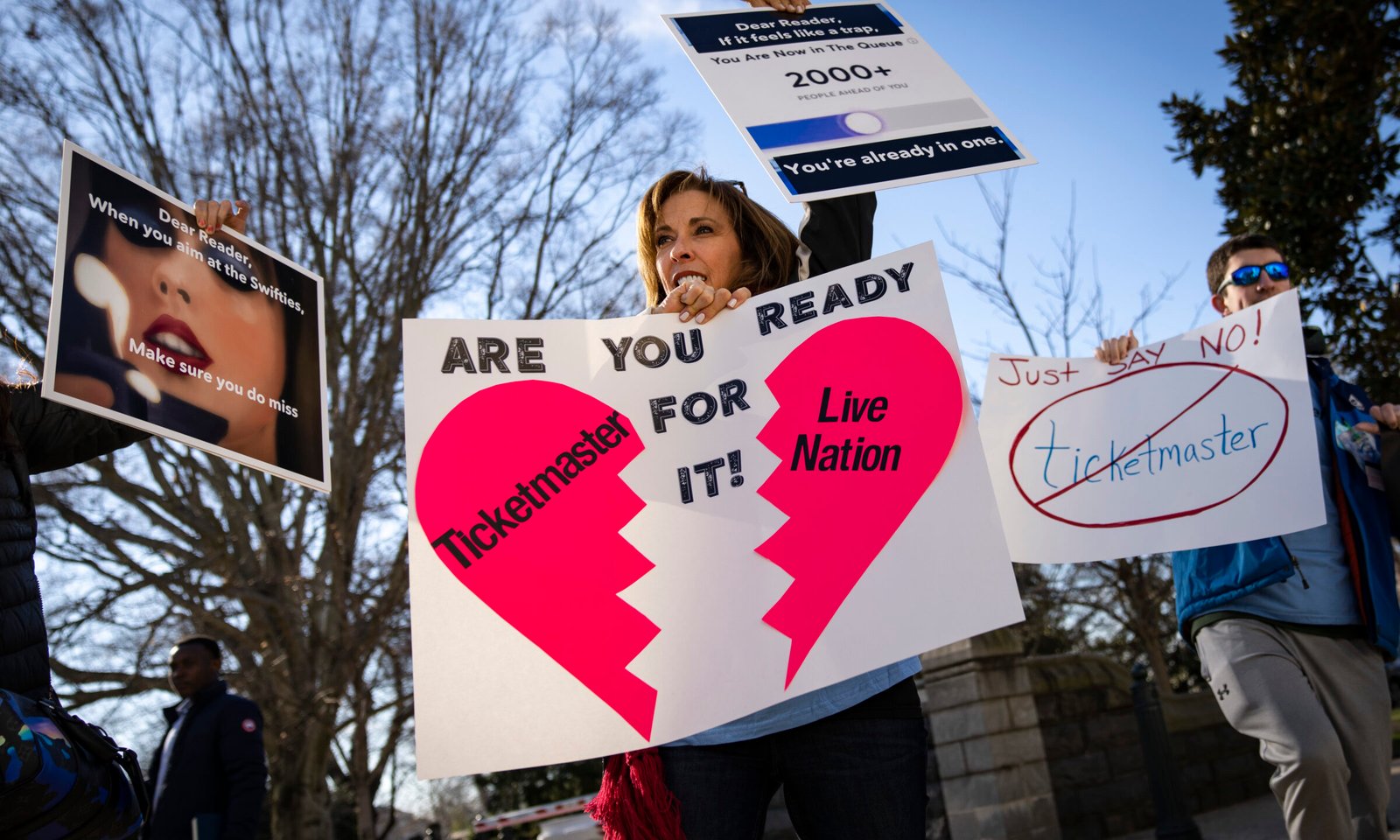
Sweeping changes may be coming for concertgoers after a federal jury in New York on Wednesday ruled that Live Nation Entertainment illegally monopolized the live event market.
What comes next is uncertain: Will the entertainment giant be broken up? How much will Live Nation owe in monetary damages? Will consumers see compensation? Those decisions lie with the U.S. District Court Judge Arun Subramanian who will determine what remedies Live Nation must implement. It’s highly likely that Live Nation will appeal. Live Nation did not respond to requests for comment and has yet to issue a public statement.
Live Nation Entertainment, created by the 2010 merger of Live Nation and Ticketmaster, is the dominant force in the live music industry. Its reach extends across concert promotion, ticketing, and venue ownership.
Throughout the trial, Live Nation cast itself as a “fierce competitor” in the concert and events marketplace — not a monopoly. After six weeks of testimony and four days of deliberation, the jury flatly disagreed.
The road to the Live Nation ruling
If you’re a concertgoer, you’re likely familiar with the frustration of paying high fees on top of already-pricey tickets or facing steep resale markups.
For years, antitrust watchdogs and states have argued that Live Nation holds a monopolistic grip on the industry, wielding its extensive leverage over artists, venues, and independent promoters. And consumers have ultimately footed the bill.
Multiple lawsuits have been filed against Live Nation amid long-standing allegations that the company has exerted an outsized influence on live entertainment. Public backlash hit a fever pitch in 2022 when Ticketmaster crashed under the demand for Taylor Swift’s Eras Tour and shut out millions of fans.
Early on in the trial, the Department of Justice reached a tentative $280 million settlement in the case, which included no admission of wrongdoing. It provided some concessions, including a 15% ticketing fee cap. For context, Live Nation earned $25.2 billion in revenue last year — $280 million is what Live Nation earns in four days of revenue, according to Stephen Parker, executive director of the National Independent Venue Association (NIVA).
However, only seven states accepted the settlement as the rest decided to continue the case without the Justice Department, leading to the latest ruling on April 15.
California Attorney General Rob Bonta called the verdict a “historic and resounding victory for artists, fans, and the venues that support them” in a statement following the verdict. “In the face of dwindling antitrust enforcement by the Trump administration, this verdict shows just how far states can go to protect our residents from big corporations that are using their power to illegally raise prices and rip-off Americans,” Bonta said.
What the Live Nation ruling means for you
Judge Subramanian will determine remedies in separate proceedings, including setting an overall damages amount.
In the initial filing, the Department of Justice originally sought to divest Ticketmaster from Live Nation, but the DOJ has settled its case without pursuing that end. The judge still has the authority to break up the company under the Clayton Antitrust Act of 1914, but it’s unclear whether he will do so.
Here are some other lingering questions:
-
Will consumers be compensated? The jury determined that Ticketmaster had overcharged consumers by $1.72 per ticket. It’s not clear if concertgoers will receive compensation.
-
Will fees go down? Regulators could force changes to fees, including the types of fees or limits on total charges.
-
Will ticket prices get cheaper? That remains unclear. If Live Nation is no longer the only game in town, then increased competition could eventually give consumers more choice, which in turn could put downward pressure on prices.
There are other possibilities that could shape how much you pay for live shows. Venues could have more freedom in choosing ticketing platforms, while artists may have greater flexibility in choosing where they perform — both are shifts that could influence pricing down the road.
Whatever changes may come won’t happen overnight.
What about that other lawsuit?
That case is still working its way through the courts and could result in fines, restitution, or other changes to how the live events ticketing market works.