
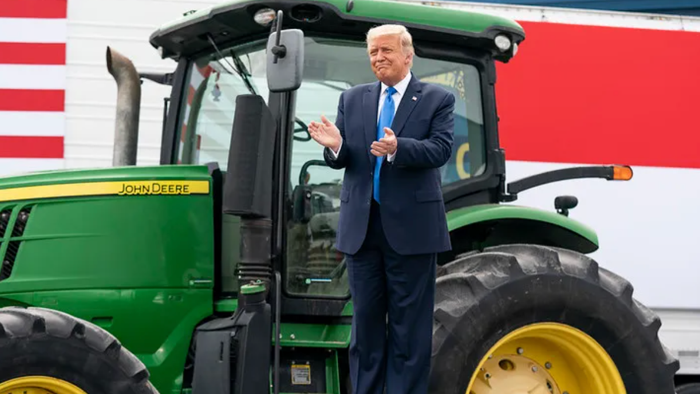
The White House recently announced that China has agreed to purchase at least $17 billion worth of U.S. agricultural products annually through 2028. This commitment includes previous soybean purchase pledges and aims to provide relief to U.S. farmers. Additionally, China has renewed access for over 400 U.S. beef facilities, pledged to address rare-earth and critical-mineral supply restrictions, and resumed imports of poultry from select U.S. states.
Apart from agriculture, China has also agreed to an initial purchase of 200 American-made Boeing aircraft for Chinese airlines. This move is expected to create high-paying, high-skilled manufacturing jobs in the U.S. Furthermore, both countries have agreed to establish trade and investment boards to oversee bilateral purchases, manage trade differences, and facilitate deals in non-sensitive sectors.
The recent Trump-Xi summit in Beijing also saw agreements to reduce levies on certain products, expand agricultural trade, and increase bilateral trade in various sectors. While there were no major breakthroughs on issues like advanced AI chip exports, rare earths, or the Iran conflict, the summit did focus on enhancing economic cooperation and stability in the U.S.-China relationship.
Overall, the summit delivered modest trade wins and established new mechanisms for dialogue and cooperation between the two countries. The relationship is expected to remain incremental and transactional, with the newly agreed boards playing a key role in maintaining stability and facilitating future progress.