
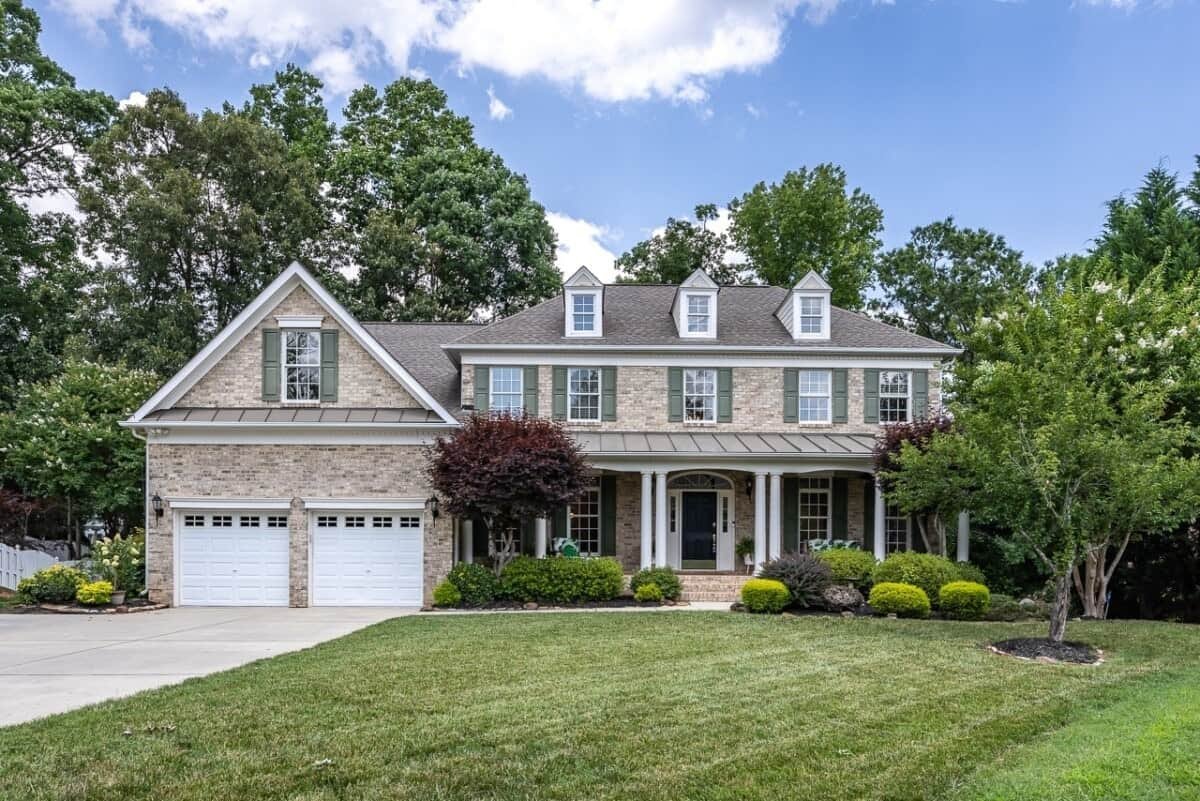
Known for its vibrant tech industry, stunning green spaces, and diverse cultural scene, Raleigh, NC offers a dynamic and welcoming atmosphere for both residents and visitors. If you’re considering a move to Raleigh, you may also be pondering the decision between renting and buying a home in this bustling city. With Raleigh’s real estate market presenting both advantages and disadvantages for both options, the choice can be challenging.
Ultimately, the decision to rent or buy a home in Raleigh is a personal one that depends on various factors. From your financial objectives and long-term plans to the specific Raleigh neighborhood you have in mind, there is much to weigh in the decision-making process. We will walk you through the pros and cons of renting versus buying in Raleigh so that you can make an informed decision that aligns with your goals.
Advantages of Buying a Home in Raleigh
Building Equity
Homeownership offers the opportunity to build equity over time. By making mortgage payments, homeowners accumulate equity, which is the difference between the property’s market value and the remaining loan balance. This growing equity can be a valuable asset and a pathway to long-term financial growth, providing potential benefits and opportunities for the future.
Growth in the Area
Raleigh has seen a continuous influx of new residents in recent years, with surrounding towns also experiencing growth. The area combines Southern charm with Northern progressiveness, offering opportunities in technology, shopping, dining, and academia. Whether you prefer a historic bungalow or a modern build, Raleigh has something to suit everyone’s tastes.
Tax Benefits
Buying a home in Raleigh can also provide potential tax benefits, such as deductions for mortgage interest and property taxes. Additionally, you may qualify for tax deductions on eligible home improvement expenses and energy-efficient upgrades.
Disadvantages of Buying a Home in Raleigh
Competition
Certain Raleigh neighborhoods face inventory shortages, leading to bidding wars for desirable homes. Being prepared to act quickly when a new property hits the market is essential.
Higher Interest Rates
Current nationwide interest rate trends can impact buyers’ budget flexibility. High interest rates may influence purchasing decisions, especially for buyers aiming to maximize their budget.
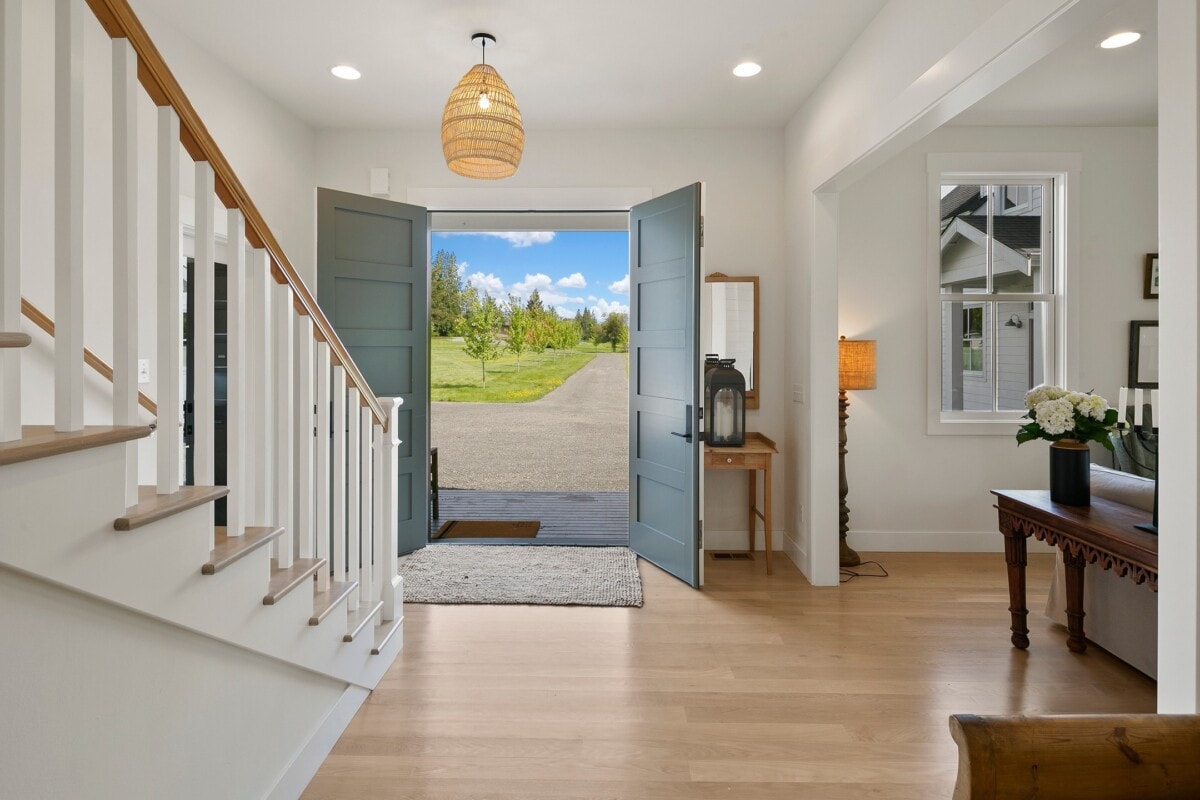
Determining Your Readiness to Buy a House in Raleigh
If you’re unsure about whether to buy or rent a home in Raleigh, consider key factors before making a decision.
- Financial Stability: Ensure you have a stable income, good credit score, and savings for down payment, closing costs, and other homebuying expenses. Build an emergency fund to cover unexpected costs.
- Housing Market Conditions: Understand Raleigh’s competitive housing market and determine what you can afford.
- Long-Term Commitment: Buying a home is a significant investment, so assess your plans to stay in Raleigh for an extended period.
- Personal Goals: Consider your priorities, such as space requirements, property type, and neighborhood preferences, aligning them with your homebuying decision.
- Local Laws: Understand North Carolina’s real estate laws, including due diligence requirements, before purchasing a home.
Consulting with a real estate or financial advisor can provide further insights into your options if you’re uncertain about buying a home.
“In 2026, the decision to buy or rent is less about timing the market and more about personal financial readiness,” says Melinda Golde, Director of Mortgage Banking at Stock Yards Bank & Trust. “Buyers should have a stable income, manageable debt, and sufficient savings to cover upfront costs, including a down payment, plus several months of expenses. Planning to stay in the home for 5-7 years is advisable to make the numbers work. Buying should only be considered if the payment is truly affordable and supports long-term financial stability, rather than just qualifying for a loan.”
To compare renting versus buying, calculate the total monthly homeownership costs, including mortgage, taxes, insurance, maintenance, and other expenses. Compare this to renting costs and consider long-term benefits to make an informed decision.
Is Buying a Home in Raleigh Competitive?
Raleigh’s real estate market often sees multiple offers, competitive pricing, and fast-selling properties. Being prepared to act swiftly and strategically is crucial to secure a home in this competitive market.
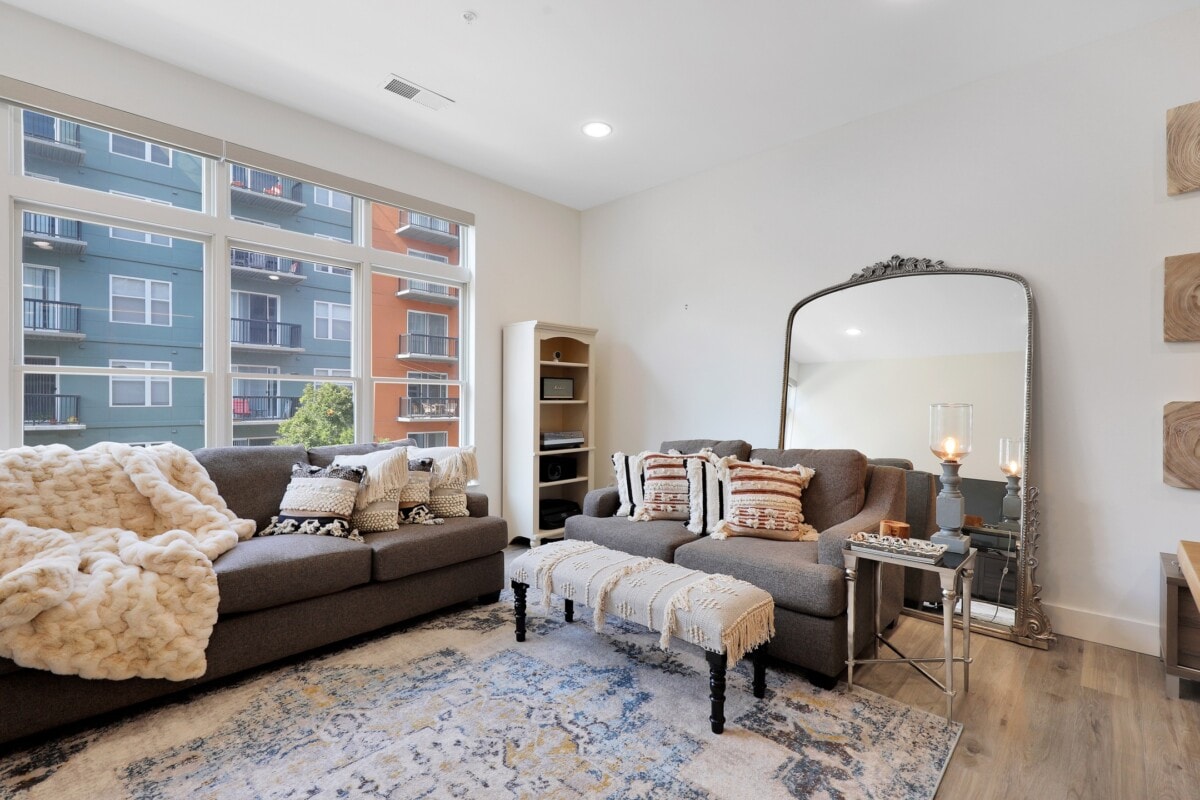
Advantages of Renting a Home in Raleigh
Time to Evaluate the Market and Area
Renting allows you the flexibility to observe market trends and adjust to a new area before committing to a home purchase. It provides time to familiarize yourself with your surroundings and determine your preferences.
Lower Upfront Costs
Renting eliminates the need for significant upfront costs associated with buying a home, such as down payments and closing expenses.
Lower Maintenance Costs
With renting, maintenance responsibilities fall on the landlord, reducing your maintenance costs compared to homeownership.
Disadvantages of Renting a Home in Raleigh
Rising Rent Prices
Inventory shortages in Raleigh have led to increased rent prices, making it challenging to find affordable rental options compared to previous years.
Inexperienced Landlords
Some homeowners turned landlords may lack experience in property management, potentially leading to issues for renters as they navigate landlord responsibilities.
Continual Rent Increases
Renting exposes tenants to the risk of annual rent hikes, determined by landlords, which could strain finances or necessitate frequent moves. Homeownership offers stable mortgage payments for long-term budget management.
Renting vs. Buying in Raleigh: Insights from a Financial Advisor
“Purchasing a home involves more than financial considerations, and potential buyers should be prepared for price fluctuations that may impact home equity, especially with minimal down payments. Job security, income growth projections, demographic factors, potential cost savings through refinancing in declining interest rate scenarios, protection against rent hikes and inflation through fixed-rate mortgages all play a role in the rent vs. buy decision. Renting may be preferable if job stability is uncertain, more time is needed to build savings or improve credit, or if relocation is likely within 5-7 years. Some individuals may find renting more appealing due to amenities and maintenance-free living provided by landlords.” – Joseph P. Kalmanovitz, CFP, CCO & head of financial planning at Canter Wealth
Redfin does not offer legal, financial, or tax advice. This content is for informational purposes only and should not replace advice from licensed professionals in law, finance, or tax matters.