
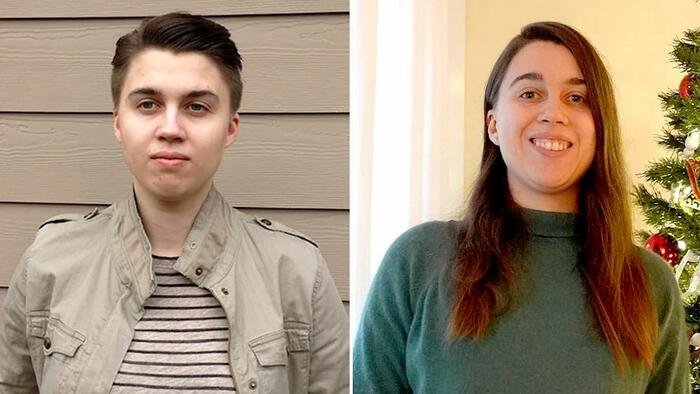
A person who identified as “nonbinary” and underwent a double mastectomy has reached a confidential $3.5 million settlement after suing mental health professionals who approved the life-altering procedure. The individual alleged in a malpractice lawsuit that therapists in Oregon approved the surgery after brief telemedicine consultations, despite a history of mental health issues. The settlement was reached just days before the trial was scheduled to begin.
The case has sparked renewed scrutiny of the quick approval of irreversible gender procedures for patients with serious mental health issues.
Another individual, Fox Varian, won a $2 million judgment in February against providers who referred her for a double mastectomy at age 16. Following this settlement, the American Society of Plastic Surgeons released a position statement on gender transition surgeries for minors, stating that there is insufficient evidence to support such interventions in children and adolescents. Over the past four years, at least 30 detransitioners have sued healthcare providers.
The complaint filed in 2022 named licensed clinical social worker Amy Ruff and licensed professional counselor Mara Burmeister, along with their employers, Brave Space and the Quest Center for Integrative Health. The lawsuit claimed that approval for the surgery was granted after two brief telemedicine sessions, despite the individual’s history of mental health issues that should have been considered.
Despite the therapists’ approval, the surgery did not alleviate the individual’s gender dysphoria, and they detransitioned within two years. During this time, they experienced health issues and eventually found improvement through naturopathic treatments.
Reflecting on the experience, the individual stated, “I didn’t want what happened to me to happen to other vulnerable individuals.” The lawsuit alleged professional malpractice, intentional infliction of emotional distress, and fraud, all stemming from the lack of proper evaluation and informed consent.
The individual reached out to gender medicine organizations to advocate for better screening and counseling practices, but found little success. The closure of Brave Space indicates that legal action may be the most effective means of driving change.
Despite the challenges faced post-transition, the individual notes that they are now the most mentally stable they have ever been. Cases like this are expected to reshape gender medicine practices, prompting greater scrutiny and accountability in approving irreversible procedures for vulnerable patients.