
Iran’s President Masoud Pezeshkian made a rare admission on Friday, acknowledging that the country’s economy is experiencing significant pain after six months of war initiated by the United States and Israel. This confession came in response to the US Treasury Secretary Scott Bessent unveiling Trump’s “Economic D-Day” plan against Iran earlier in the week, emphasizing the impact of ongoing economic warfare despite the cessation of military operations.
In an interview with state TV, Pezeshkian stated, “Some say sanctions have no effect at all; to those people, I really don’t know what to say. We are in a war situation, and we must accept these wartime conditions.” This statement was a direct challenge to Iranian hardline officials who have downplayed the effects of sanctions on the country.
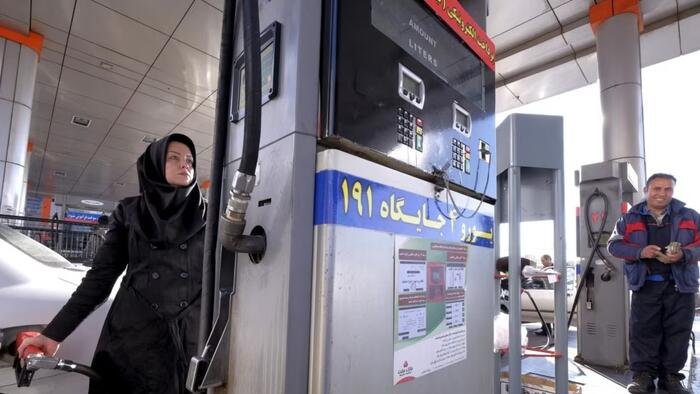
One visible consequence of the economic warfare is the increasing lines at gas stations, prompting Pezeshkian to announce a 100 percent increase in gasoline prices to account for the fall in trade. This decision, which is politically sensitive in Iran due to heavily subsidized petrol, reflects the impact of the US naval blockade on imports and domestic production.
Despite the challenges, Pezeshkian remains optimistic, asserting that the latest US sanctions will not achieve their intended goals. He emphasized Iran’s resilience against economic pressures and reaffirmed the country’s determination to withstand the ongoing challenges.
While President Trump has stated that there are currently no talks with Tehran, Iranian sources have downplayed potential petrol shortages, attributing gas station delays to a sudden surge in demand. However, top Iranian officials have acknowledged the daily deficit in the gasoline market due to record demand, war damage, and changes in budget priorities, highlighting the need to reduce consumption to match domestic production levels.