
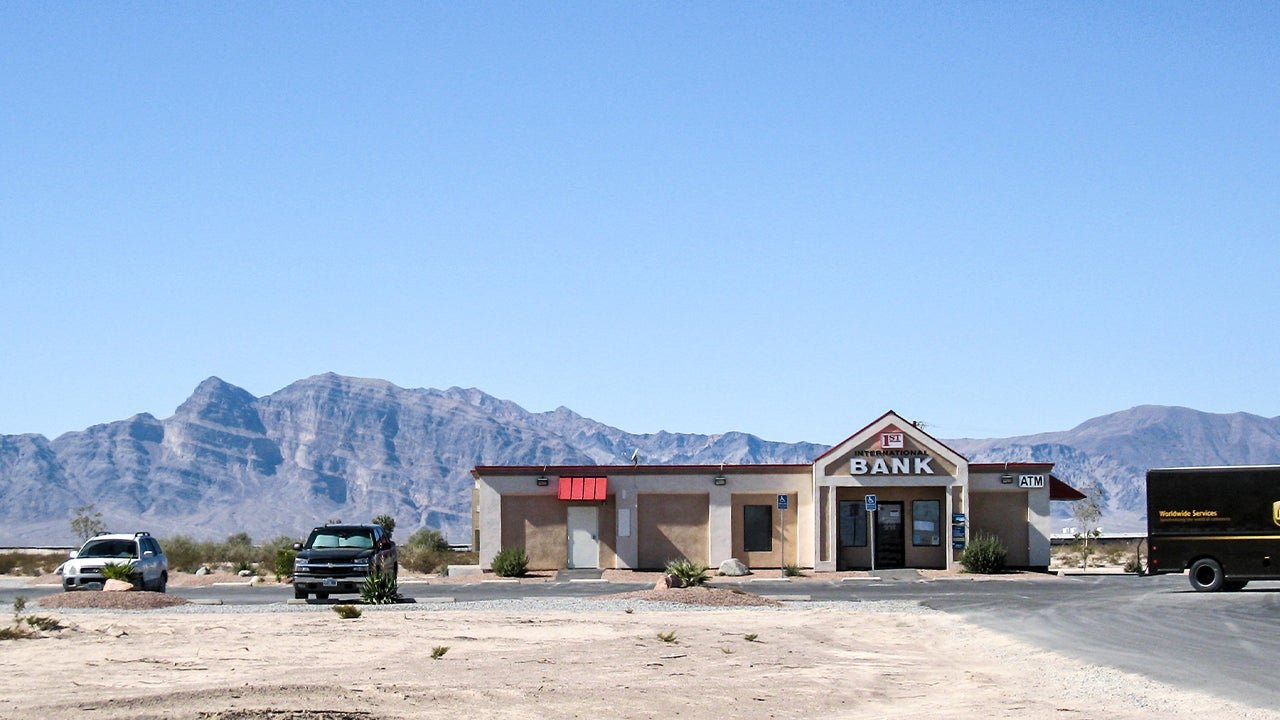
Banking Deserts: Hidden Costs Holding Americans Back
It is estimated that over 12 million Americans live in banking deserts, areas where access to traditional banking services is limited or nonexistent. This lack of access can have serious consequences, as it forces individuals to rely on alternative financial services that often come with hidden costs and fees.
For many Americans, the nearest bank branch may be miles away, making it difficult to access basic financial services such as checking accounts, savings accounts, and loans. As a result, these individuals are forced to turn to payday lenders, check-cashing services, and other high-cost financial products that can trap them in a cycle of debt.
These hidden costs can add up quickly, draining the financial resources of individuals and families who are already struggling to make ends meet. In addition to high fees, these alternative financial services often lack the consumer protections and regulatory oversight that traditional banks provide, leaving consumers vulnerable to fraud and abuse.
Addressing the issue of banking deserts is crucial to ensuring that all Americans have access to safe, affordable financial services. By expanding access to traditional banking services in underserved communities, we can help individuals build wealth, improve their financial stability, and avoid falling prey to predatory financial practices.
It is time to shine a light on the hidden costs that hold Americans back and work towards creating a more inclusive and equitable financial system for all.