
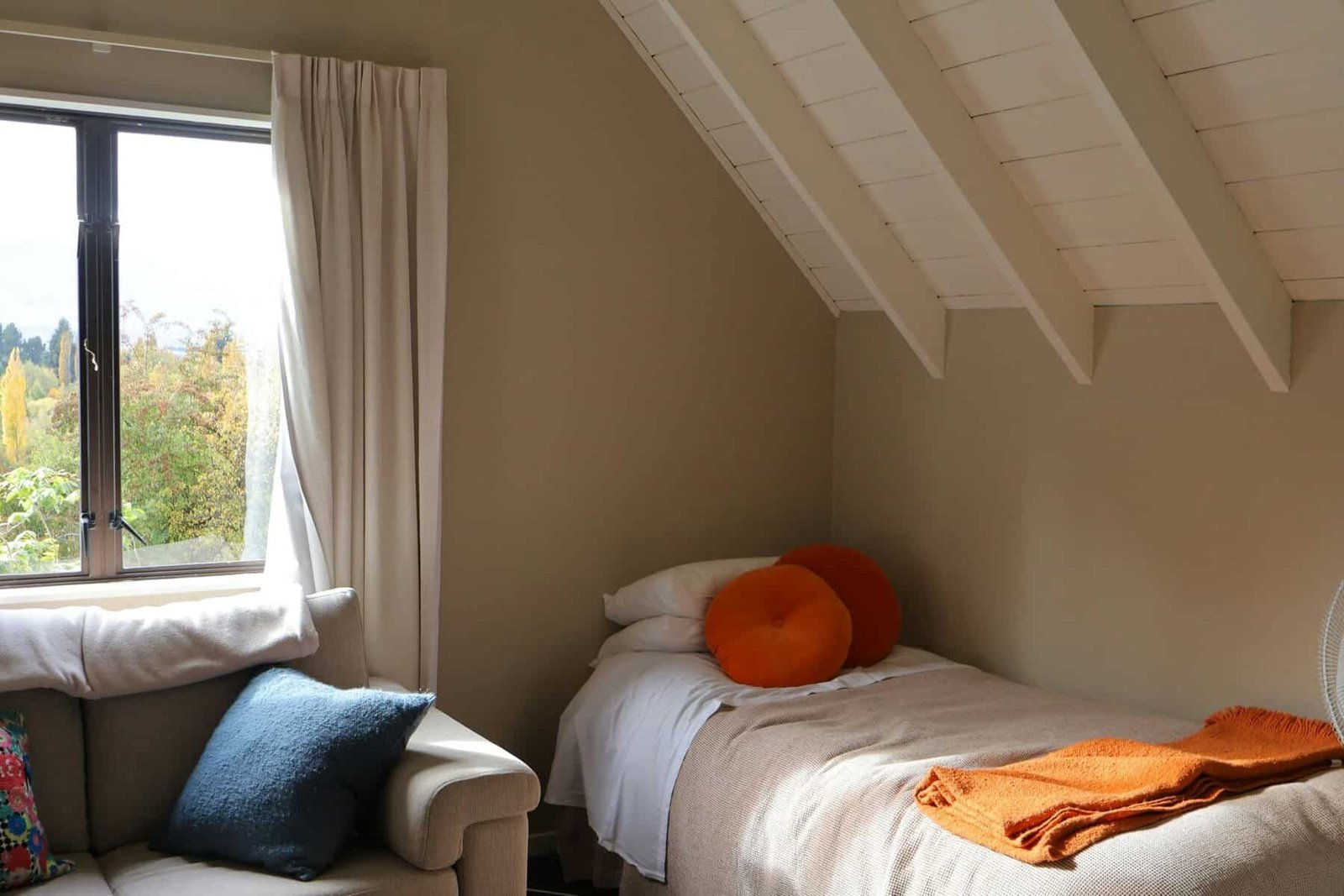
A flex room is a versatile space that can adapt to different needs over time. It can serve as a home office, guest room, exercise area, or entertainment space, providing flexibility as your lifestyle changes.
When looking for a home, it’s common to focus on immediate needs. However, having flexible living spaces can make it easier to adjust to future changes in your household, work situation, or priorities.
Whether you’re purchasing a home in Cinco Ranch, TX, renting, or renovating a property in Philadelphia, PA, here are five reasons why flex rooms and adaptable spaces are valuable.
1. Flex rooms support major life transitions
Flexible living spaces can accommodate significant life changes without the need to move. A spare bedroom or flex room can evolve from a home office to a space for a returning college graduate, an elderly family member, or a rental opportunity.
Ryan Dossey from Sold Fast equates flex spaces to a safety net, providing support during transitional periods in life.
This adaptability can prolong how long a home remains suitable for a household’s needs.
2. Flexible layouts accommodate multigenerational living
Flexible layouts are beneficial for households with multiple generations living together. Jeffrey Kershner from Sunlife Homes notes the growing trend of seeking homes that can comfortably accommodate aging parents, adult children, or changing needs in the future.
Layouts with separate entrances, private bathrooms, or bedroom suites on different floors can enhance how well a home caters to everyone under one roof.
3. Flex rooms serve multiple purposes
For individuals working from home, a flex room offers a dedicated workspace that can also double as a guest room or exercise area with minimal adjustments. This versatility extends the usability of the space for renters and homeowners alike.
4. Practical design enhances flexibility
Flexible spaces do not require intricate designs to be effective. Simple layouts like a den or flex room, built-in work areas, ample storage, or layouts that support multiple functions are often more universally appealing.
When assessing a home’s potential for flexibility, features such as storage, layout neutrality, and adequate square footage hold more value than complex design elements.
5. ADUs provide additional flexible living options
Accessory Dwelling Units (ADUs), also known as in-law suites or backyard cottages, offer self-contained living spaces on the same property. They can house family members, generate rental income, or provide private accommodations for long-term guests.
For those considering aging in place, an ADU offers a practical solution, allowing close proximity while maintaining independent living spaces.
Planning for the future when evaluating a home
When viewing a home, consider how each room can adapt over time. Look for spaces that can serve multiple purposes without extensive renovations, offering flexibility as your needs evolve.
The right amount of flexibility depends on your plans for the home. Thinking about how a space can evolve can help you find a home that continues to meet your needs in the long run.
FAQs about flexible homes
What is a flex room?
A flex room is a versatile space that can serve multiple purposes over time, such as a home office that converts into a guest room or a bonus room that functions as a gym or guest space.
What is the difference between a flex room and an ADU?
An ADU is a self-contained living space on the same property as the primary residence, typically with its own entrance, kitchen, and bathroom. Unlike a flex room, an ADU is suitable for long-term tenants or guests.
How do flexible living spaces impact home value?
Flexible living spaces can broaden a home’s appeal, but their effect on resale value varies based on the space, market conditions, and buyer preferences. Features like bonus rooms, additional suites, and ADUs are increasingly desirable as housing trends evolve.
What should you look for in a flex room?
Seek a neutral layout, sufficient storage, natural light, ample square footage, and flexibility to rearrange furniture. Features like nearby bathrooms and added privacy enhance the room’s adaptability.
How can you utilize a flex room?
Common uses for flex rooms include home offices, guest rooms, workout spaces, hobby areas, reading nooks, or entertainment zones. The optimal use depends on the room’s size, layout, storage, and location within the home.