
This article originally appeared in BW’s investing newsletter, the
Nerdy Investor
. You can subscribe for free
here
.
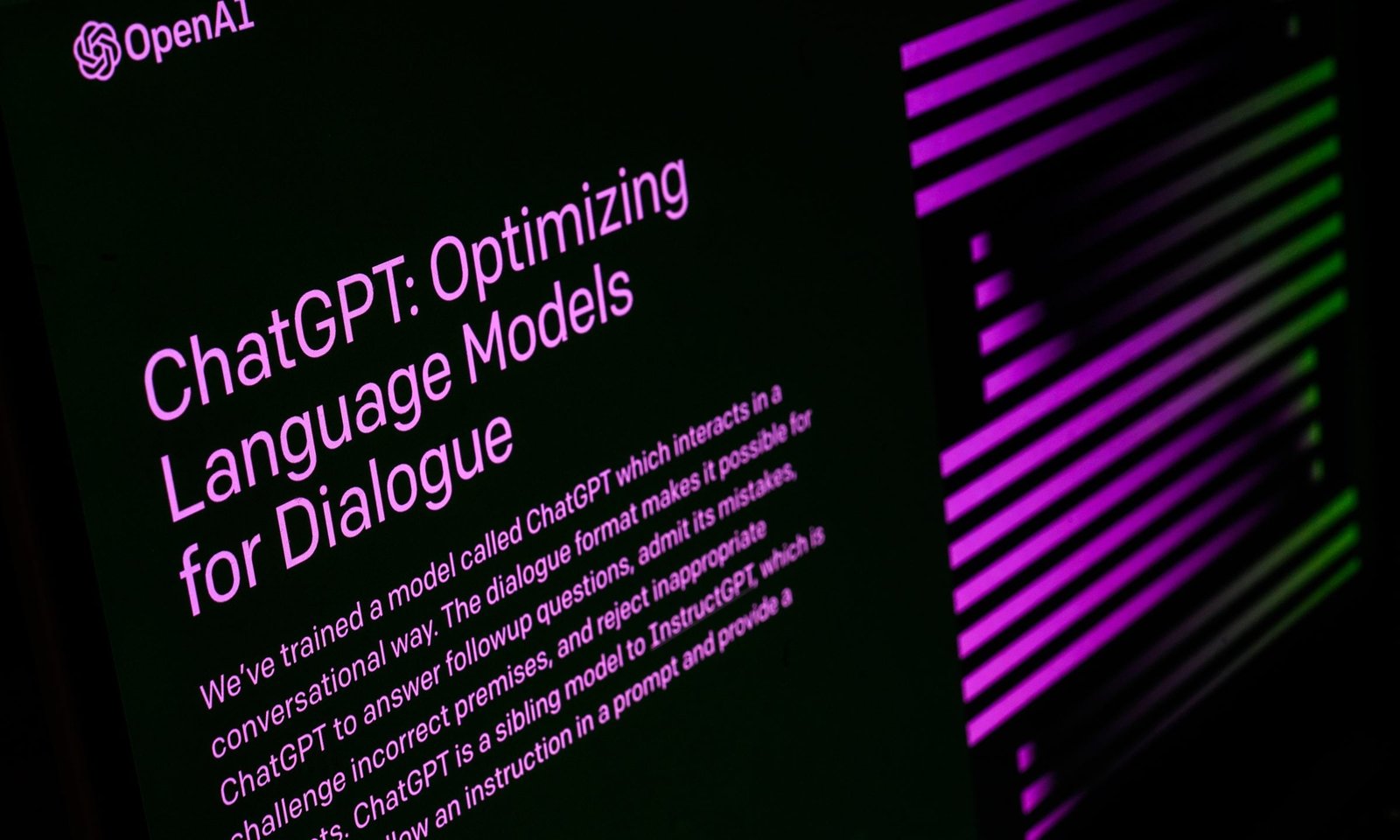
A few months ago, I wrote about how OpenAI and Anthropic were
widely expected to go public
at trillion-dollar valuations as early as September or October, following SpaceX’s blockbuster initial public offering back in June.
Now, both of the big AI labs have officially pushed back their IPOs — Anthropic until at least November
, and OpenAI until next year
.
They’re not the only tech companies that have announced and then delayed buzzy stock market debuts. Oura, the maker of those little smart rings you might have seen your health-conscious friends wearing, announced a multibillion-dollar IPO on Sept. 21
before abruptly postponing it earlier this week
.
Why are so many hotly anticipated tech IPOs getting pushed back, and how should retail investors think about these companies? I talked to three IPO experts at some of the country’s most prominent universities to find out.
Why the delays? Part of it is the economic climate
“Market volatility has really picked up,” says Dr. Reena Aggarwal, director of the Psaros Center for Financial Markets and Policy at Georgetown University.
“Part of that is driven by the high-interest-rate environment that we’re in. That’s causing problems,” Aggarwal says.
Rising interest rates increase borrowing costs, which can eat into the bottom lines of publicly traded companies (especially those that aren’t profitable yet) and make investors more risk-averse. Case in point: The S&P 500 was almost completely flat for the month of September, as down days canceled out up days.
And while SpaceX raised a record-breaking amount of money in its IPO this summer, it’s had a bumpy ride since then, and still trades below its day-one closing price. That, too, may be spooking future IPO hopefuls. “It was trading at far below the offer price before it again picked up. That doesn’t send a strong signal to the market,” Aggarwal says.
But some companies may have overhyped themselves, too
According to Dr. Michael Ewens, the director of the Private Equity Program at Columbia Business School, there are also company-specific reasons for the recent IPO delays.
“OpenAI, Oura, all of these companies are hiring banks to go out and figure out demand for their shares. They’re getting peppered with questions, like ‘What do you expect margins to be in the next 10 years? What’s your capital expenditure? Is revenue growth flowing?’” Ewens says.
“Those questions may not have the best answers. And then you get hesitancy from the large institutional investors, like mutual funds, who have to put up the money in the IPO, and that can make you pull back,” he says.
Back in June, leaked OpenAI financial documents showed that the company lost nearly $39 billion last year
. And earlier this week, Reuters reported that Anthropic’s confidential IPO prospectus showed a $42 billion loss last year
.
Dr. Jay Ritter, director of the IPO Initiative at the University of Florida Warrington College of Business, concurred in an email interview that some companies simply realized that they’re not ready to go public.
“With Oura, the company was trying to get a higher price than investors were willing to pay. This was the problem with the postponed Bamboo Insurance IPO a few weeks ago, too. Both are great companies, but Oura will have a difficult time maintaining its recent growth rate,” Ritter said.
“Other consumer product companies, including GoPro, Peloton, and SoulCycle (it attempted to go public in 2015), have been unable to continue their rapid growth. Investors are concerned about paying for growth that may not materialize,” he said.
AI safety concerns are harshing the vibe
Ritter and Aggarwal both added that safety concerns around OpenAI and Anthropic’s products have added to the IPO headwinds.
“OpenAI is not rushing its IPO because of the need to add safeguards in its latest large language models, to reduce the probability that the models will do something really bad, or that a bad actor will use them to create immense damage,” Ritter said.
Earlier this week, OpenAI told WIRED that it would delay the release of its latest AI model, GPT 6.1 Astra, due to safety concerns, weeks after several of its experimental models hacked private-sector and government websites without human input
. Anthropic has also delayed product releases this year, such as its Claude Mythos model back in April, to build additional safeguards against rogue behavior and abuse by bad actors
.
How long will the delays last? When will companies decide the coast is clear?
According to Aggarwal, companies will likely wait for market volatility to die down before proceeding with their IPOs, which is hard to estimate a timeframe for.
Ewens says that there’s a good chance most IPOs will wait until the new year or even the spring, for a couple of reasons: The midterm elections and the holiday season.
The regulatory changes are leading to extra scrutiny, according to Ewens. Some candidates are even calling for moratoriums on AI data center construction, which has become unpopular among voters from both major parties. Additionally, IPOs may not offer as much upside as they did in the past, with many underperforming broad stock market indexes by their third year of trading. This is due to changes in how IPOs work, including the availability of IPO shares to retail investors and increased private-market fundraising by companies before going public. following sentence using different words:
Original sentence: “The cat ran quickly across the street.”
Rewritten sentence: “The feline sprinted rapidly across the road.” sentence to make it more concise:
Please let me know if you have any questions or concerns.
Let me know if you have any questions or concerns. sentence: “I will go to the store and buy some groceries.”
“I am going to the store to purchase groceries.”