
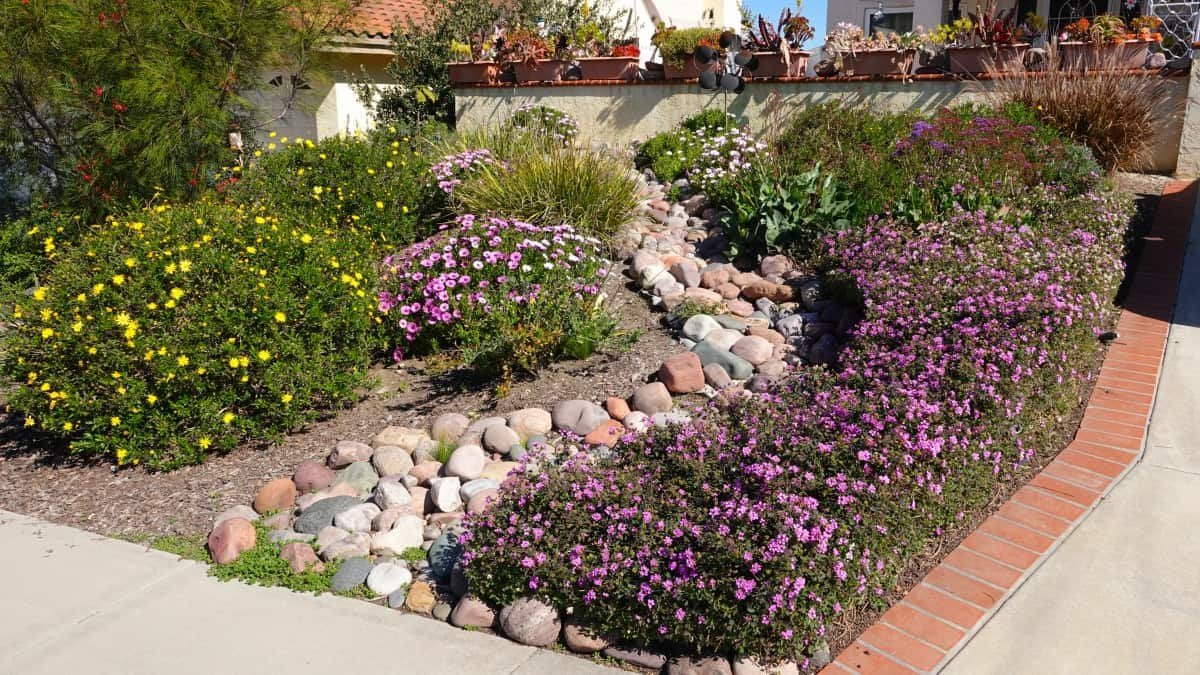
Transforming your outdoor space with a garden can be a rewarding experience, but it requires careful planning to ensure harmony with the natural landscape. Whether you are in the desert heat of Tucson, AZ, the shaded environment of Seattle, WA, or the vibrant city of Atlanta, GA, incorporating native plants can help create a beautiful and sustainable garden that supports local ecosystems.
Rather than altering the land, native plant gardening embraces the existing environment. By selecting plants that are native to your area, you can create a biodiverse garden that attracts pollinators, conserves water, and protects wildlife.
Explore native plants in your region
Understanding the native pollinators and butterflies in your area is essential for creating a thriving garden. Resources like the National Wildlife Federation’s Native Plant Finder can guide you in selecting the right plants to support local wildlife. By planting native species, you can help maintain the delicate balance of your ecosystem.
Researching and utilizing local resources like botanical gardens can provide valuable insights into the best native plants for your garden. By incorporating a variety of native species, you can create a vibrant and sustainable garden that benefits both your home and the environment.
Strategically plant for optimal growth
Observing the natural conditions in your yard is key to selecting the right plants. Consider factors like sunlight exposure, soil quality, and moisture levels to choose native plants that will thrive in your specific environment. By planting according to your yard’s unique characteristics, you can create a garden that flourishes with minimal maintenance.
Integrate native plants into your garden
Native plants are essential for creating an ecological garden that requires less maintenance and resources. By incorporating native species, you can support local wildlife and promote a healthy ecosystem. Native plants offer beauty, value, and crucial ecological services that benefit both your garden and the environment.
Choosing native groundcovers, perennials, and shrubs over invasive species can help create a sustainable garden that attracts pollinators and beneficial insects. By designing your garden with biodiversity and bloom times in mind, you can enjoy a vibrant and thriving ecosystem throughout the year.

Plan for a sustainable garden
Sustainability is key to maintaining a native plant garden. By choosing species that are adapted to your region, you can reduce water usage, attract pollinators, and enhance biodiversity. Practices like rainwater harvesting and regular weeding can further support the health and productivity of your garden.
Creating a plant palette that provides year-round beauty and sustenance for local wildlife is essential for a thriving garden. By incorporating a variety of native plants, you can create a resilient and sustainable oasis that benefits both your home and the surrounding ecosystem.

Engage with local gardening communities
Joining local gardening groups and organizations can provide valuable support and resources for starting a native plant garden. By connecting with experts and enthusiasts in your community, you can gain insights into regional gardening practices and access a variety of native plants for your garden.
Harnessing regional abundance in Georgia gardens
Georgia’s climate and soil offer ideal conditions for growing native flowers and food crops. By incorporating regionally adapted varieties and native flowers into your garden, you can enhance flavor, yield, and ecosystem balance. Utilizing raised beds and compost-rich soil can further support the sustainability and productivity of your garden.

Florida-specific tips for native gardening
In Florida’s hot and humid climate, native plants can reduce maintenance and water usage while attracting pollinators. By selecting native plants like fire bush and beauty berry, you can create a beautiful and sustainable garden that enhances your yard and benefits local wildlife. Complementing native plants with compost can enrich the soil and further support the health of your garden.
Embrace patience for a thriving garden
Establishing a native plant garden requires time and patience, but the long-term benefits are worth the effort. By allowing your plants to grow and adapt naturally, you can create a sustainable and biodiverse garden that contributes to a healthier ecosystem right in your own backyard.