
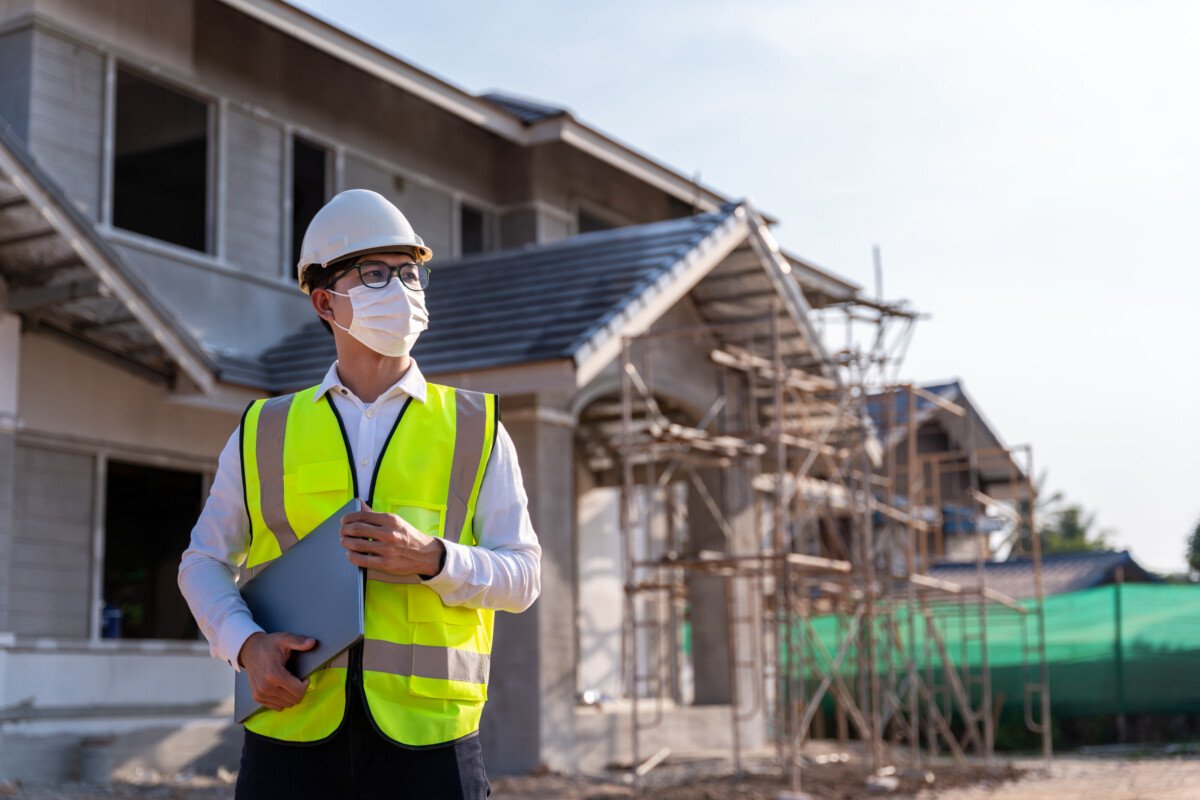
Is it more cost-effective to construct a house or purchase one? While buying offers convenience and a shorter timeframe, building offers the chance for personalization and the latest amenities. From the historic brownstones of Boston to the vibrant, art-filled lofts of Chicago, and the contemporary, coastal apartments of Miami, each residence reflects individual preferences, budget, and lifestyle.
As of December 2024, the median selling price for single-family homes in the U.S. hit $390,000. Conversely, the estimated cost of building a home in 2025 falls between $138,937 and $531,294, excluding land expenses, which can range from an additional $3,000 to $150,000 depending on the property’s size and location.
The comparison between building a house and buying: Which is more economical?
When evaluating the expenses associated with building versus buying a home, it is crucial to take into account the factors that impact pricing. Constructing a home provides complete control over elements such as materials, design, and size, allowing for customization. However, if you’re questioning, “Is it cheaper to build a house?” the answer varies. Acquiring an existing home means your costs are influenced by factors like market conditions, demand, and the current condition of the property.
The expense of constructing a house
Building a home entails various costs that can fluctuate based on location, materials, and market dynamics. Here’s a breakdown of the main cost components:
- Land acquisition: The cost of land varies significantly based on factors like location, size, and local market conditions. On average, an acre of land in the United States costs approximately $16,000, but this can range from under $1,000 in some areas to over $100,000 in others.
- Construction materials: The choice and quality of materials significantly influence the overall cost. As of 2025, the average expense for building materials is about $150 per square foot, though this can vary based on regional pricing and material selection.
- Site preparation: Preparing the land for construction—including clearing, grading, excavation, and utility hookups—typically costs around $33,000, with a range between $15,000 and $70,000, depending on site-specific factors.
- Design and architectural services: Engaging an architect for a custom home design can cost between $2,195 and $11,647 on average, with fees varying based on the architect’s experience and the complexity of the project.
- Labor costs: Labor expenses fluctuate based on location and project complexity, especially for specialized tasks like plumbing and electrical work. Generally, labor accounts for 30% to 50% of the total construction budget.
- Permits and fees: Securing necessary building permits and adhering to local regulations typically adds between $457 and $2,859 to the project’s cost.
- Fixtures and finishes: The selection of interior elements such as flooring, cabinetry, countertops, and appliances affects the final price. Standard appliances average around $10,875, while high-end or smart appliances can exceed $24,400.
- Landscaping: Designing and implementing outdoor spaces adds to the overall expense, with new landscaping projects averaging about $3,507.
- Market conditions: Fluctuations in the construction industry — due to material costs, labor availability, supply chain issues, and economic factors — can impact building expenses. For instance, tariffs on imported goods have recently increased material costs, potentially adding $17,000 to $22,000 to the price of a new home.
- Unexpected expenses: Unforeseen challenges, such as discovering hidden underground utilities, can lead to additional costs. Allocating a contingency budget helps mitigate the impact of these surprises.
- Financing and closing costs: If you’re financing the land purchase or construction, anticipate paying 2% to 5% of the loan amount in closing costs.
Considering these factors, the estimated cost to build a house in 2025 ranges from $110,000 to $650,000, excluding land expenses. Larger homes or those with high-end finishes will naturally incur higher costs. Financing options are available but typically involve additional fees.
“Designing and building a custom home is going to be more expensive upfront, but it also means homeowners can get exactly what they want to support their family’s lifestyle. A custom home with higher-end selections and features often creates greater long-term value and sells more quickly. For example, a family with young children may want custom-built bunk beds so they can host sleepover parties. A family with athletic teenagers may want extra storage closets for equipment, or a sports court in a finished basement. A couple that entertains may want a scullery kitchen, climate-controlled wine storage, and a custom built-in bar and poker table. Custom homes are a fantastic investment for your family and heirs. You’re creating memories and a legacy of home that can be enjoyed for generations to come,” Sherwin Loudermilk, Founder & President of Loudermilk Homes, a leading custom home design and build firm in Atlanta and North Carolina and a three-time finalist for Custom Home Builder of the Year by the National Association of Home Builders.
It’s essential to conduct thorough research and consult with professionals to obtain accurate estimates tailored to your specific project and location.

The cost to purchase a house
Buying a home involves several key expenses beyond the property’s listed price. Here’s an overview of the primary costs to consider:
- Purchase price: The market value of a home varies based on factors like location, size, condition, and local real estate trends. As of the end of 2024, the median home sales price in the U.S. is $419,200.
- Closing costs: These encompass expenses such as appraisal fees, title insurance, loan origination fees, and other administrative charges, typically amounting to 2% to 5% of the home’s purchase price. For a median-priced home, this translates to approximately $8,384 to $20,960.
- Home inspection: Conducting a thorough inspection is essential to identify potential issues with the property. The cost for a standard home inspection ranges from $250 to $700, depending on location and the home’s size.
- Immediate repairs or renovations: Older homes or those requiring updates may necessitate additional investments post-purchase. Renovation costs can vary widely, with minor updates averaging around $19,514 and major overhauls reaching up to $87,474. Specific repairs, such as roof replacements, can cost approximately $2,500, while foundational repairs might be around $1,000 per structural beam.
- Location: Geographical location significantly influences home values and associated property taxes. For instance, the average home value in California is $799,000, whereas in North Carolina, it’s $327,215.
- Market demand: In areas with high demand and limited housing inventory, property prices tend to be elevated due to increased competition among buyers.
- Interest rates: Mortgage interest rates, influenced by factors such as credit score, debt-to-income ratio, income, and down payment size, play a crucial role in the overall cost of purchasing a home. As of late 2024, mortgage rates are projected to average 6.4% through 2025.
Considering these factors, the total cost of buying a home can range significantly. For a median-priced home, initial expenses — including the purchase price, closing costs, and inspection — could total between $427,834 and $440,860. Additional costs for repairs, renovations, and varying interest rates will further influence the overall expenditure.
It’s essential to conduct thorough research and consult with real estate professionals to obtain accurate estimates tailored to your specific circumstances and location.

Is building a house more economical? Insights from experts.
“Constructing a home provides customization control, but costs can escalate due to material price fluctuations. On the contrary, buying an existing home offers more price stability and a quicker move-in process. Regardless of your choice, avoid financial pitfalls by ensuring your mortgage (or total build cost) remains within 25% of your take-home pay and that you’re financially prepared for the long-term commitment.” – Mark Kelly, Certified Financial Planner Professional, University Financial Strategies
“Building a home allows for more customization options, but it comes with significant costs and longer timelines. Construction can take anywhere from 6 to 12 months (up to 18 months in some cases). If you’re seeking a more affordable option and a quicker timeline, purchasing an existing