
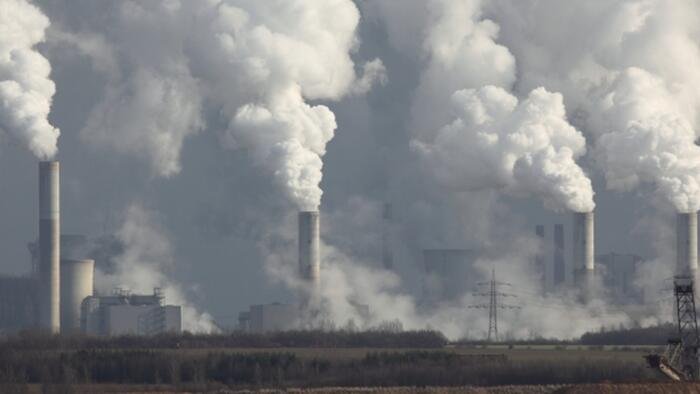
Asian benchmark Newcastle coal prices surged over 9% to $150/ton, according to BBG data, as disruptions in energy flows across the Gulf region persist and transit through the Strait of Hormuz slows significantly. The spike in coal prices is attributed to a broader energy shock, with rising gas prices prompting power generators to switch to coal as a more cost-effective alternative fuel.
The recent IRGC kamikaze drone attack that crippled Qatar’s major LNG export facility, responsible for around 20% of global supply, has driven the shift from gas to coal, particularly in Europe, where gas prices have soared by 50%.
Samantha Dart, Global Co-Head of Commodities Research, highlighted the impact on natural gas prices:
“European natural gas prices (TTF) closed the week up 88% from pre-Iran-conflict levels, at 53 EUR/MWh. The disruption in Qatari LNG production due to the drone attack has halted 100% of the flow through the Strait of Hormuz, necessitating increased fuel switching away from gas.”
Dart forecasts that Qatari LNG production will resume by early April, but anticipates ongoing fuel switching to normalize European gas storage. If the supply shock persists beyond a month, TTF prices could rally further, potentially exceeding 100 EUR/MWh.”
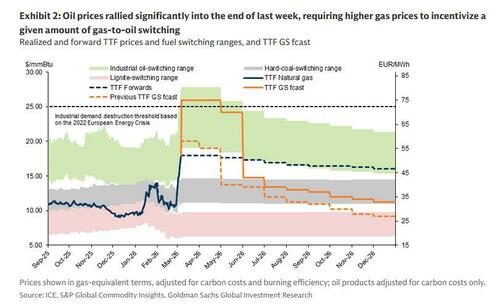
The article emphasizes the importance of the duration of the conflict in determining the extent of gas-to-coal switching. UBS analyst Manik Narain warned of energy risks for emerging markets, particularly in Asia, if the Strait of Hormuz remains blocked, impacting oil and gas supply chains.
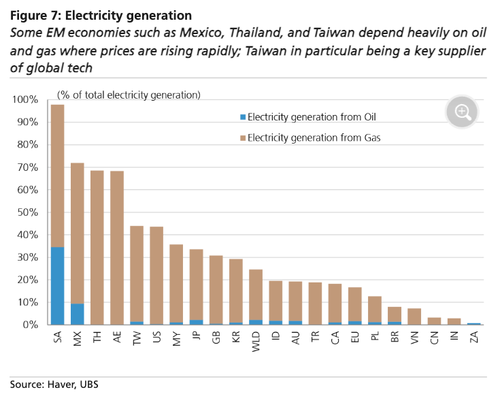
UBS also highlighted the vulnerability of power generation systems in countries heavily reliant on oil and gas, such as Mexico, Thailand, and Taiwan. Rising fuel prices could have far-reaching implications, especially for Taiwan’s role in the global AI chip supply chain.
Operation Epic Fury has also been highlighted as a factor influencing the shift towards coal as a primary energy source.
Loading recommendations…