
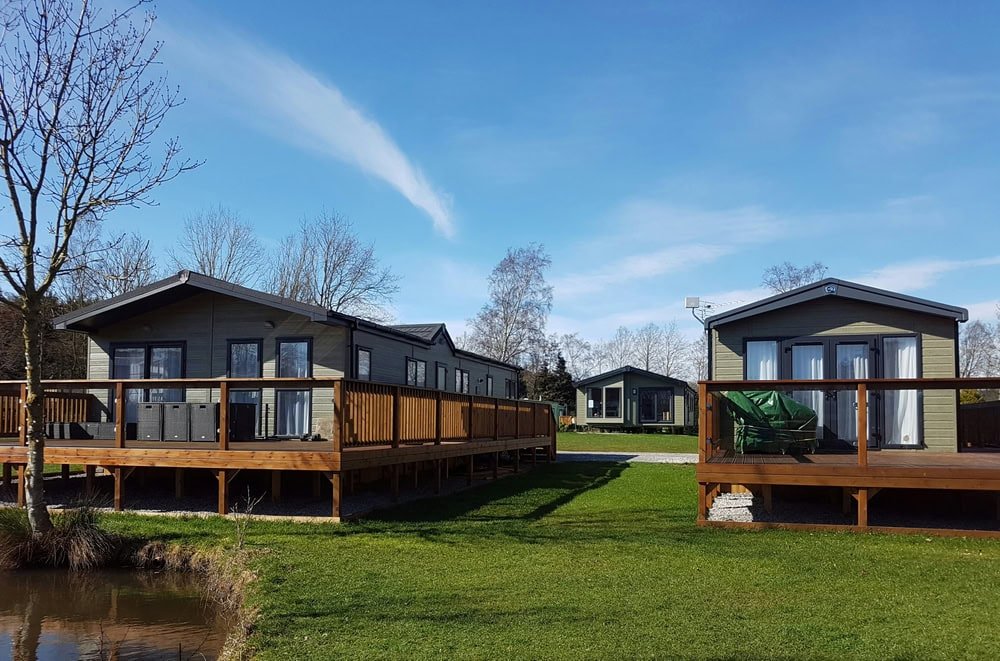
Summary:
- Purchasing a mobile home is a cost-effective way to become a homeowner for many individuals.
- While most mobile homes do not qualify for traditional mortgages, alternative financing options like chattel loans or personal loans are available.
- Before deciding on buying a mobile home, carefully evaluate the advantages, disadvantages, and additional expenses associated with it.
Acquiring a mobile home provides an affordable and adaptable housing solution, but it involves specific considerations. From selecting the appropriate type of mobile home to deciding between a community or private land, and arranging for financing, there are numerous aspects to consider. Whether you are transitioning from an apartment in New Orleans, a rental home in Portland, or exploring alternatives to traditional homes in Denver, we are here to assist you every step of the way.
Understanding Mobile Homes
A mobile home, unlike an RV, is a factory-built dwelling transported to a permanent location. These homes come in various styles and sizes and can be placed in mobile home parks or on private land. They are categorized into three types based on the number of sections they are constructed in:
| Type | Sections | Size | Key Features | Average Cost |
| Single-wide | 1 | 14-18 feet wide, 40-90 feet long |
Compact Affordable |
$30,000 to $80,000 |
| Double-wide | 2 | 20 feet wide, 90 feet long |
More space Resembles a traditional home |
$50,000 to $150,000 |
| Triple-wide | 3+ | >2,000 square feet | Maximum space Similar layout to site-built homes |
>$150,000 depending on features |
Factors to Consider Before Buying a Mobile Home
There are numerous advantages to purchasing a mobile home that make it an appealing choice for some. However, similar to any significant decision in the home buying process, it is crucial to weigh the potential drawbacks. Evaluate the benefits, drawbacks, and additional costs to determine if a manufactured home is the right fit for you:
Pros:
- Affordability: Mobile homes are more affordable than traditional single-family homes.
- Location Flexibility: You have the freedom to choose a specific mobile home community or place a mobile home on privately owned land. There are several options to explore.
- Rapid Construction: Manufactured homes take less time to build than traditional homes since they are constructed in factories.
- Customization: You can tailor a mobile home to suit your specific needs and customize the amenities and features.
Cons:
- Depreciation: Mobile homes generally depreciate in value rather than appreciate, unless they are permanently affixed to land.
- Difficulty in Obtaining a Home Loan: These homes are often classified as personal property instead of residences, making it challenging to secure traditional home loans.
- Leased Land: If you do not own the land where the mobile home is situated, you may need to pay a land lease fee to the owner.
- Resale Challenges: Selling a mobile home can be more complex than selling a traditional home.
Additional Costs:
- Delivery and Installation: Some mobile homes include delivery and setup in the total cost, while others do not. Full-service moves can cost between $2,000 and $14,000 or more, depending on the unit’s size.
- Utilities: The cost of utility hookup varies based on the location where you place your mobile home. If you purchase land without existing systems, installing necessary utilities can add several thousand dollars to your mobile home cost.
- Skirting and Anchoring: Most communities and building codes mandate the addition of skirting and anchors to mobile homes to keep them stable and protected from the elements. This may be included in your delivery and installation package, but extra charges apply if not.
- Maintenance: Similar to any home, a mobile home requires regular maintenance. Features like septic systems, crawl spaces, and mobile home skirting and anchoring require routine checkups and maintenance, often performed by a professional.
- Community Fees: Mobile home communities typically charge fees similar to HOA dues for community upkeep.
- Appliances: Unlike traditional homes, many mobile homes do not come with pre-installed appliances. You may need to factor in the cost of a new refrigerator or dishwasher to your initial expenses.
How to Purchase a Mobile Home
Once you have determined that buying a mobile home is a viable option, follow these steps and recommendations to guide you through the process:
1. Establish a Budget
Before proceeding too far in the process, determine your financial limit to effectively balance your requirements with your desires. While buying a mobile home can save on mortgage expenses and down payments, remember to consider land lease or purchase costs, community fees, and installation expenses.
2. Choose Between New and Used
This decision will shape your path in the mobile home buying process. Opting for a new home provides more placement and customization options but may be pricier than used homes already situated in mobile home communities.
3. Search for a Home
If you are purchasing a new mobile home, seek out reputable local sellers with positive reviews. Ensure to verify HUD compliance in new manufactured homes.
For used mobile homes, utilize Redfin’s home search. Filter by price, rooms, home type, and more to discover the ideal mobile home for you in your vicinity.
4. Select a Location
While primarily applicable to the acquisition of new manufactured homes, mobile homes are, as the name suggests, mobile. Relocating a house necessitates additional permits and insurance, among other requirements, but it is feasible.
Mobile homes can be placed in mobile home parks, private land, or leased private land. Mobile home parks often charge a fee but offer a sense of community and shared amenities like pools or clubhouses. Various types of communities are available to select from:
- Age-Restricted Communities: Designed for residents aged 55 and above, offering a serene environment with age-specific amenities.
- All-Age Communities: Open to individuals of all ages, often featuring amenities like playgrounds and pools.
- Resident-Owned Communities: Homeowners collectively own the land and share maintenance responsibilities, reducing lot rent expenses.
- Land-Lease Communities: Residents own their mobile homes but lease the land, paying monthly lot rent to a private owner or management company.
- Luxury Mobile Home Parks: Offer upscale amenities such as clubhouses, fitness centers, and gated security.
- RV and Mobile Home Mixed Communities: Allow both mobile homes and RVs, providing housing flexibility.
Placing a mobile home on private land rather than in a community provides the most independence, but you must consider zoning regulations and utility setup.
5. Obtain Financing
Financing a mobile home differs from a traditional mortgage since many are categorized as personal property rather than real estate. Depending on whether your home is on leased land or permanently affixed to a foundation, you may need to explore options like chattel loans, FHA loans, or traditional mortgages to find the most suitable fit for your budget. We will delve deeper into these options below.
6. Schedule an Inspection
As with any home purchase, obtaining a professional inspection is crucial before committing to a home. Even newly manufactured mobile homes should undergo inspection to ensure HUD compliance, proper installation, and safety. For used mobile homes, you may want to consider additional inspections like septic inspections to ensure the existing systems do not have major issues.