
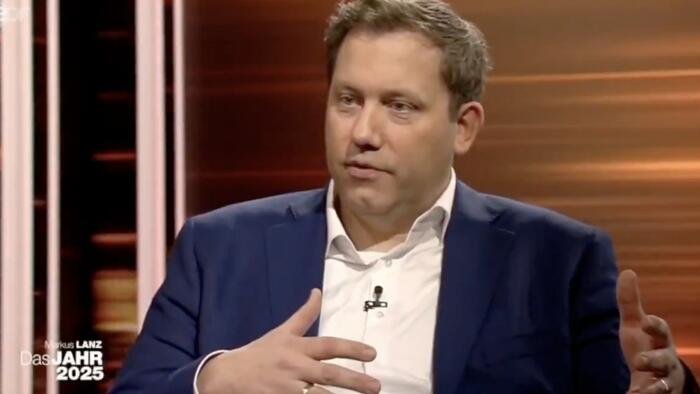
The German government is cautioning Germans about upcoming times of financial austerity, with German Finance Minister Lars Klingbeil (SPD) suggesting that belt-tightening may be necessary for several years.
Klingbeil, a member of the far left SPD, is preparing the German public for tough financial times, despite the country spending at least €50 billion a year on migrants for housing, education, security, and integration. Moreover, significant funds have been allocated to Ukraine, with another €19 billion directly from Germany in the pipeline.
During the ZDF program “Das Jahr 2025,” the SPD chairman warned of “very challenging years” ahead, indicating that citizens will “also have to be asked to do something.”
“Jeder wird spüren, dass wir sparen” – Klingbeil kündigt harte Einschnitte für die Deutschen an.
Aber erst mal 181,5 Milliarden Euro für die gesichert korrupte Ukraine … https://t.co/bV6cOAQALg pic.twitter.com/VPhOzwnpw9
— spaceloop23 🗽 (@spaceloop23) December 18, 2025
“Everyone will feel that we are saving,” Klingbeil elaborated, stressing the need for cutbacks.
However, he refuted claims of an imminent financial collapse, stating, “We are not broke. The country is not on the brink of collapse,” and dismissing the notion of impending financial disaster.
Klingbeil highlighted a funding shortfall of €60 billion for 2028 alone, underscoring that resolving the nation’s challenges will involve noticeable sacrifices. He did not provide specific details on the austerity measures but announced that a comprehensive plan would be presented later by the CDU, CSU, and SPD party leaders. He emphasized that these measures must be fair: “The aim is for everyone to contribute their share, not just one group.”
Despite the announcement, criticism from the opposition, particularly the Alternative for Germany (AfD), has been sharp. AfD co-leader Alice Weidel condemned the government’s fiscal policy as a “Black-Red debt orgy at the expense of Germany’s future.”
The AfD parliamentary group has labeled Klingbeil’s budget proposals as “catastrophic for Germany,” arguing that the government’s strategy places undue burdens on citizens while neglecting structural issues. Critics within the party have repeatedly stressed that “the money is not reaching the people” and have cautioned against what they perceive as mismanagement of public funds.
Loading recommendations…