

Written by Rene Zittlau
Overview
Examining the current state of affairs with a detached perspective prompts contemplation on how a nation that once set benchmarks in culture, science, and industry has lost its way. From the devastation wrought by Hitler to succumbing to vassal status and then being led by incompetent leadership, Germany finds itself at a crossroads.
This article delves into the profound issues plaguing this nation, steering clear of the chaotic political landscape in Berlin to shed light on the fundamental challenges faced.
Historical Backdrop – Formation of the FRG
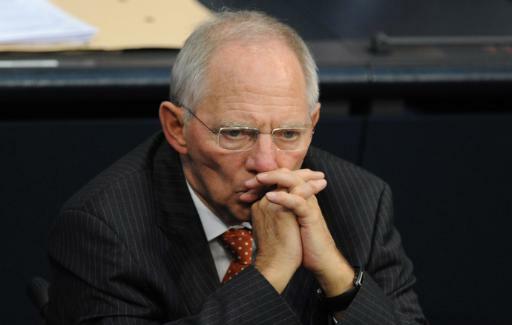
The origins of the highly acclaimed Basic Law, as articulated by Wolfgang Schäuble, point towards Germany’s vassal status and the contentious history of its creation. The Basic Law, established under the supervision of Western occupying powers, lacked democratic legitimacy and was essentially a product of external influence.
Despite efforts to assert autonomy, the FRG remained tethered to foreign powers, evident in the creation and implementation of the Basic Law. The dynamics of this relationship mirrored a feudal lord-vassal arrangement, hindering the nation’s path to true sovereignty.

Despite provisions within the Basic Law for eventual self-governance, the FRG struggled to break free from external constraints, a dilemma that persisted even post-1990. The failure to invoke Article 146 to adopt a constitution reflective of the German people’s will underscored the nation’s continued reliance on a framework imposed by foreign entities.
Pursuit of Independence pre-1990
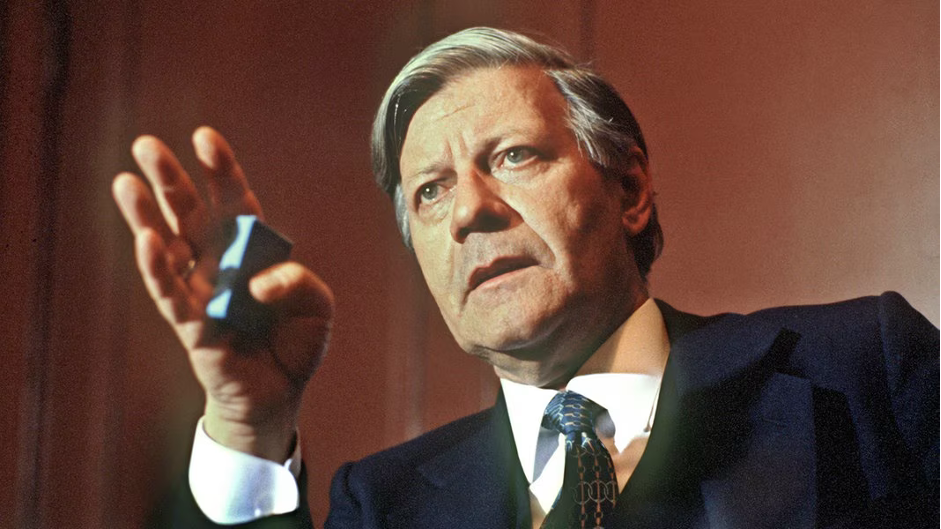
Acknowledgment must be given to pre-1990 political figures like Willy Brandt, Helmut Schmidt, and Helmut Kohl, who resisted external influences with varying degrees of success. Helmut Schmidt’s firm stance against American interference, notably during the gas pipeline negotiations, showcased a rare defiance against foreign pressure.
Transition to Subservience post-1990
In contrast, the shift post-1990 witnessed a gradual surrender of autonomy, epitomized by Angela Merkel’s tenure marked by unwavering allegiance to foreign interests. Policy decisions, encompassing diverse domains like energy, migration, and international affairs, bore the imprint of external influence, culminating in Olaf Scholz’s tenure that saw a further erosion of German interests.
A New Chapter Unfolds
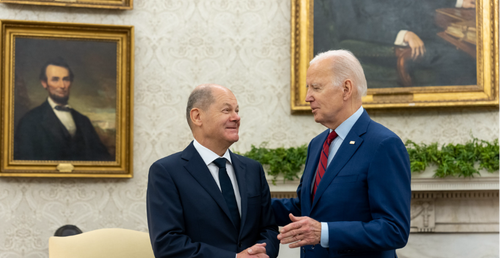
The recent upheaval in German governance, symbolized by Olaf Scholz’s dismissal of his finance minister, signifies a turning point in the political landscape. The discord within the coalition government underscores deeper fissures in leadership and a crisis of governance.
The ensuing turmoil, characterized by personal animosities and policy clashes, paints a grim picture of a nation grappling with its identity and role on the global stage. The need for self-assured leadership grounded in national interests is more pronounced than ever before.
Final Thoughts
The essence of sovereignty lies not merely in symbolic autonomy but in the ability to chart one’s course independently. A nation’s sovereignty is a reflection of its citizens’ self-assurance and collective will, nurtured through a robust educational system and civic engagement. Only through a steadfast commitment to national interests can a nation safeguard its sovereignty and navigate the complexities of global politics.
The echoes of Heinrich Heine’s timeless lament resonate in today’s Germany, underscoring the imperative for a renewed sense of purpose and autonomy:
“At night I think of Germany,
And then all slumber flies from me.”– Heinrich Heine in “thoughts at night”
Loading…