
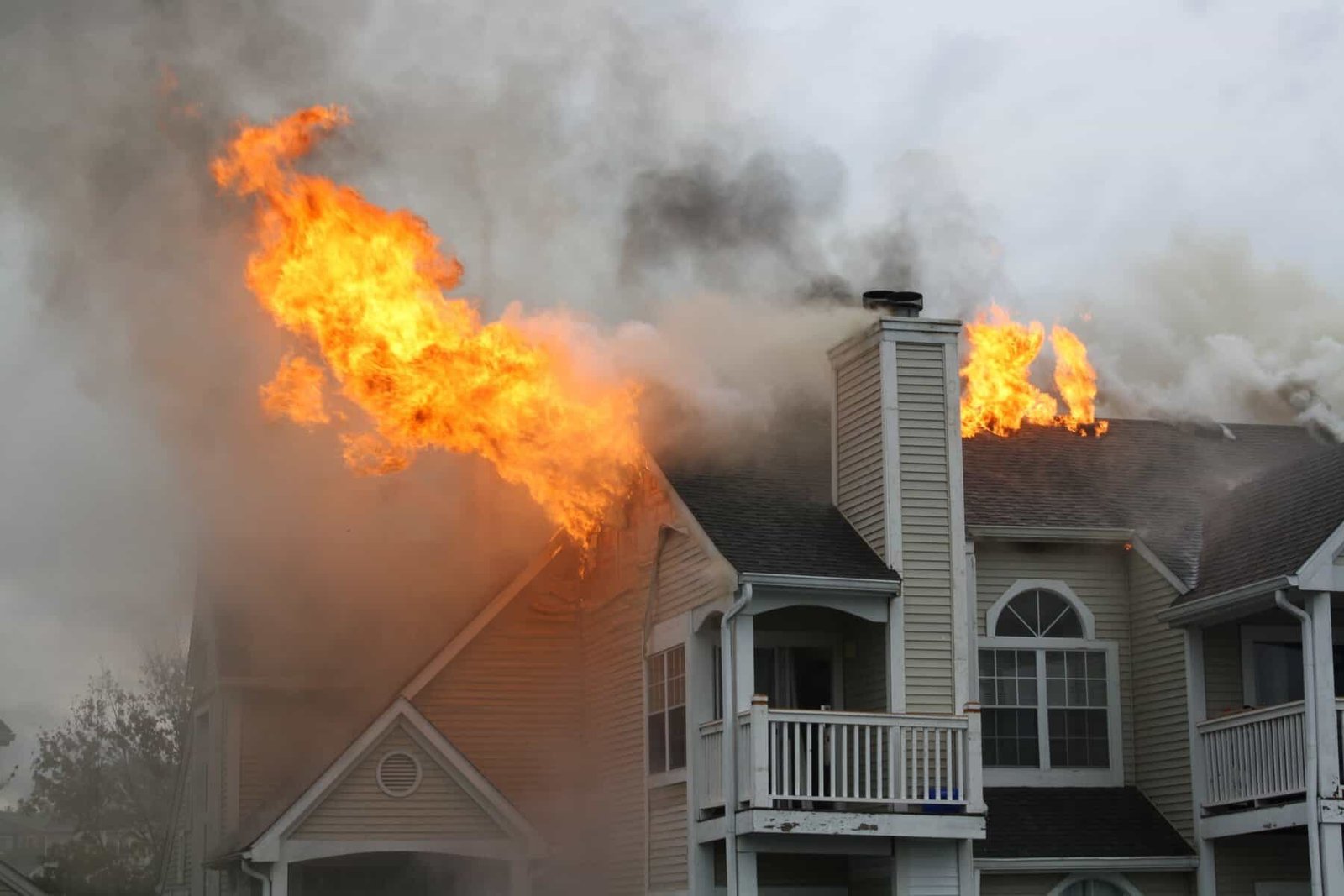
Protecting your home from fire is a crucial aspect of home safety. Whether you own a house, rent an apartment, or are in the process of selling a property, it’s important to be aware of simple steps to minimize fire risks at home.
If you’re currently looking for a home in Baltimore, MD or an apartment in Richmond, VA, fire prevention should be a key consideration in your home care routine. This Redfin article provides practical tips on reducing fire risks and safeguarding your living space.
Common Causes of House Fires
Before delving into prevention methods, it’s essential to understand the typical causes of house fires. According to fire investigation expert Prof. Allan Manning, common fire triggers in homes include:
1. Charging lithium batteries (e-bikes, e-scooters, devices)
To prevent overheating or ignition, it’s important to charge lithium-ion batteries in well-ventilated areas, avoid overnight charging, and use approved chargers.
2. Unsupervised candles
Risk of fires increases when candles are left unattended. Ensure candles are extinguished before leaving a room and kept away from flammable materials.
3. Televisions and computer screens left on standby
Leaving devices on standby can lead to heat buildup. Turning them off completely can reduce energy consumption and potential fire hazards.
4. Unattended items on the stove (especially frying food)
Cooking-related fires, especially with oil, are a common cause of house fires. Stay attentive while cooking and turn off burners when stepping away.
5. Overloaded power boards
Plugging multiple devices into one outlet can result in overheating. Use surge protectors and distribute appliances across different outlets.
Read>> How to Prepare for a Wildfire: 10 Essential Steps
Identifying Hidden Electrical Fire Hazards
Not all fire risks are visible at first glance. Stu Cohen, from the City Building Owners Insurance Program, emphasizes the importance of addressing hidden electrical issues.
“Many residential fires start small with electrical problems like overloaded outlets, aged wiring, or prolonged use of extension cords,” Stu explains.
Look out for these warning signs:
- Warm or discolored outlets
- Flickering lights
- Frequent tripping of circuit breakers
- Long-term use of extension cords
If you notice any of these signs, consider seeking professional assistance. Addressing these issues promptly can reduce fire risks and prevent electrical failures,” Stu advises.
Everyday Habits to Prevent Fires
Incorporating simple lifestyle changes can significantly enhance fire prevention efforts:
- Regularly test smoke alarms and replace batteries: Ensure smoke alarms are functional by testing them monthly and changing batteries as needed, especially at night.
- Be cautious when charging devices: Charge lithium-powered devices during the day in well-ventilated areas, avoiding overnight charging or soft surfaces that can trap heat.
- Monitor open flames: Whether it’s a candle or fireplace, stay vigilant and extinguish flames before leaving the room to minimize fire risks.
- Keep flammable items away from heat sources: Items like paper towels and cleaning products can ignite if placed near heat sources. Maintain a safe distance for added safety.
- Supervise cooking activities: High-heat cooking requires full attention. Even a brief distraction can lead to a fire hazard.
- Power off electronics when not in use: Completely shutting down devices reduces heat accumulation compared to leaving them on standby.
- Avoid overloading outlets: Distribute high-powered devices across multiple outlets to prevent overheating. Consider using surge protectors for added safety.
- Ensure clear exit paths: Quick exits are crucial in emergencies. Keep hallways and doorways clear for easy evacuation.
- Maintain updated and well-maintained electrical systems: Regular inspections can detect potential issues early, reducing fire risks associated with outdated or neglected wiring.
According to experts at Master Building Inspection, “Regularly test smoke alarms, maintain electrical systems, and avoid overloading power points. Keep clear exit paths and store flammable items away from heat sources.”
In Conclusion
Reducing fire risks at home doesn’t always require extensive renovations or costly upgrades. By adopting consistent habits such as regular maintenance, mindful appliance use, and attentive daily routines, you can create a safer and more secure living environment over time.