
Membership Content:
Allen Matkins is a law firm specializing in real estate with strong connections to development and litigation in Southern California. They have represented various parties involved in the rebuilding efforts following the Palisades and Eaton fires, including homeowners, developers, contractors, and permit expediters.
Alan Hearty, who heads the firm’s Century City litigation department, expressed that the rebuilding process has been slower than expected due to a lack of alignment between insurance, regulation, and construction for a disaster of this scale.
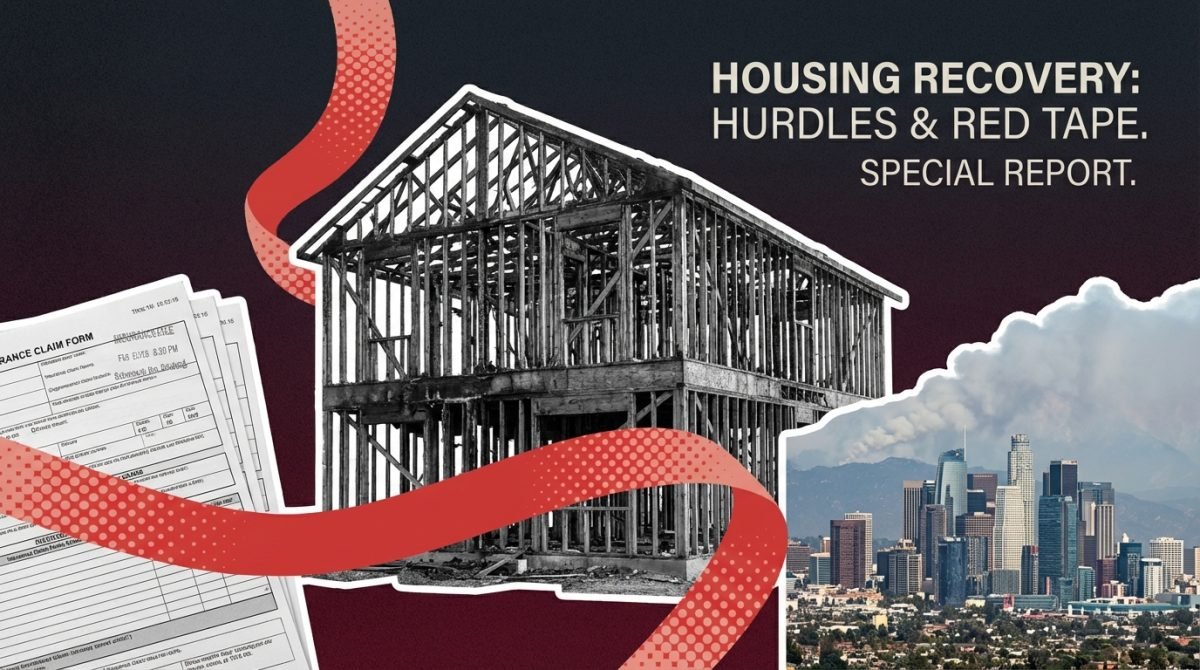
Following the devastation caused by the fires in multiple areas of Los Angeles, only a small number of homes have been rebuilt so far. While hundreds of permits are in progress, the restoration of communities may take years.
The status of rebuilding
Daryl Fairweather, the chief economist at Redfin, noted that investors are purchasing around 40% of damaged lots in Los Angeles, possibly with intentions to develop homes in the future.
Selma Hepp, chief economist at Cotality, highlighted the challenges faced in rebuilding infrastructure such as power lines, water systems, and sewers, which are time-consuming and costly.
Insurance issues remain a major hurdle, with many policyholders experiencing difficulties in obtaining coverage or facing delays in claims processing. Disputes over coverage for damages like smoke damage and contamination have also arisen.
Contractors are hesitant to begin projects without assurances from homeowners, leading to a divide between wealthier borrowers who can rebuild and those who struggle to compete.
Sticking it out in California
Despite the challenges, many Californians are determined to remain in the state and are seeking rentals in nearby communities while waiting for their homes to be rebuilt. This has impacted the rental market in areas close to the fires, causing temporary spikes in rents.
Reports of price gouging were addressed through local regulations limiting rent increases in fire-affected regions, helping to stabilize the rental market.
Displaced residents have relocated to neighboring communities, leading to rent increases in areas such as Burbank and the San Gabriel Valley. The differing wealth levels in communities like the Palisades and Altadena are influencing residents’ ability to endure the rebuilding process.
Obstacles to progress
Despite efforts to expedite rebuilding processes, challenges persist due to overlapping jurisdictions and regulatory complexities. Streamlining efforts by the state and local authorities have had limited impact so far.
Sean Roberts, CEO of Villa Homes, a construction company specializing in fast, factory-built homes, noted that residents may be hesitant to be the first to rebuild in their neighborhoods, contributing to the slow progress in reconstruction.
As we move past the one-year milestone, many individuals who were receiving financial assistance such as insurance and cost of living support are facing the expiration of these payments. This situation may lead to tough decisions for a lot of people in the upcoming months.
Villa Homes, under the leadership of Roberts, is actively acquiring plots of land to build stock homes for resale purposes. They are also collaborating with residents in the Altadena area to reconstruct their homes.
Our focus at Villa Homes is to ensure that the new properties in Altadena reflect the original aesthetic of the community prior to the fire. We aim to restore the neighborhood to its former charm, maintaining the essence of a typical subdivision in Altadena.
Despite the rebuilding efforts, the Altadena community continues to uphold their stance against gentrification and development with the slogan “Altadena is not for sale.” This movement remains strong, emphasizing the importance of preserving the community’s identity.
While there is resistance to selling properties to investors in Altadena, residents are also grappling with financial pressures that may influence their decisions. The balance between social values and economic realities is a challenge faced by many individuals in the community.
On the other hand, in the Palisades area, affluent residents are resilient in rebuilding their homes despite the persistent fire risks. They are prepared to engage private firefighting services to safeguard their properties during future disasters.
Despite the adversities posed by natural calamities, the demand for housing remains constant. People require secure and comfortable living spaces, motivating them to rebuild and invest in protective measures for their homes.