
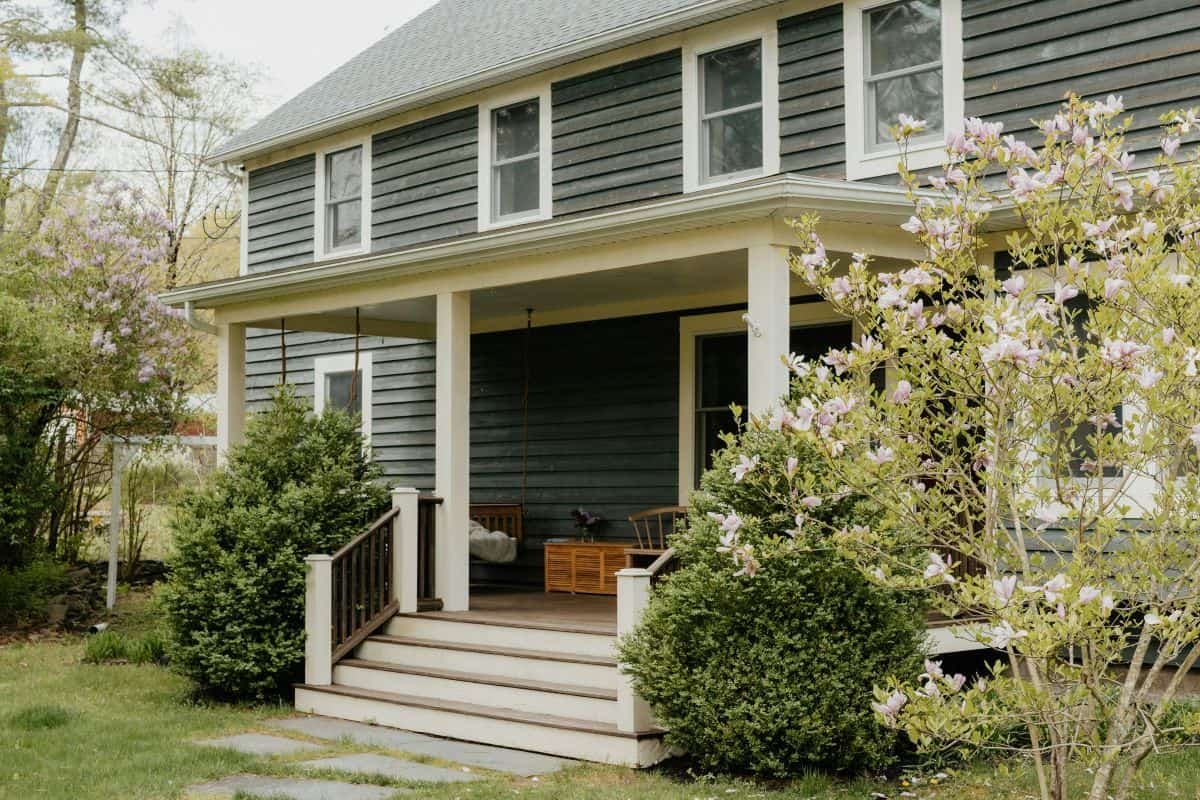
During the post-pandemic era, buyers in many regions now have a wider selection of properties to choose from compared to the frenzy seen during the pandemic. Inventory levels have rebounded from historic lows, leading to decreased competition among buyers. However, home prices remain high, and renovation costs are on the rise.
One of the key decisions facing buyers is whether to purchase a fixer-upper that requires work or to invest more in a move-in ready, turnkey home that is ready for occupancy without any additional projects. This decision can significantly impact the speed of moving in, the level of uncertainty involved, and the overall homeownership experience after the purchase is finalized.
Below, we will explore the tradeoffs between buying a fixer-upper versus a move-in ready home, considering factors such as costs, financing options, neighborhood accessibility, and long-term property value.
Understanding the Difference Between a Fixer-Upper and Move-In Ready Home
A move-in ready home (also known as a turnkey home) is a property that requires no additional work before the new owners can comfortably settle in. These homes typically have newer and functioning systems such as HVAC, plumbing, and electrical, as well as well-maintained aesthetics like paint, flooring, and cabinetry.
On the other hand, a fixer-upper is a property that needs significant work either before or immediately after the new owners move in. This work can range from cosmetic upgrades such as updating kitchens and bathrooms to more extensive renovations like structural changes and complete room makeovers.
While fixer-uppers are priced lower than comparable move-in ready homes to account for the required work, they may involve additional expenses, uncertainties, and time commitments.
Pros and Cons of Buying a Fixer-Upper
Pros
- Lower price and reduced competition: Fixer-uppers are often priced lower than move-in ready homes, providing buyers with an opportunity to secure a property at a more affordable rate.
- Access to desirable locations: Buying a fixer-upper in a sought-after neighborhood can be a more affordable way to live in a desirable area that might otherwise be unattainable.
- Personalization and customization: Fixer-uppers allow buyers to personalize their living space according to their preferences, from design choices to layout modifications.
- Potential for value appreciation: By investing in strategic renovations, buyers can increase the value of a fixer-upper property over time, potentially exceeding the initial purchase price and renovation costs.
Cons
- Unforeseen expenses: Renovation costs for fixer-uppers can often exceed initial estimates, especially when unexpected issues arise during the renovation process.
- Extended project timelines: Renovation projects are prone to delays, which can result in additional costs and inconvenience for buyers, especially if they need to find alternative living arrangements during the renovation.
- Challenges with financing: Securing financing for a fixer-upper can be more complex than for move-in ready homes, requiring specialized renovation loans and additional documentation.
- Disruption and inconvenience: Living in a property undergoing renovations can be disruptive and stressful, impacting daily routines and privacy.
Pros and Cons of Move-In Ready Homes
Pros
- Immediate occupancy: Move-in ready homes allow buyers to start living in their new property without the need for additional renovations or repairs.
- Predictable costs: With move-in ready homes, buyers can anticipate their monthly expenses more accurately, as major repairs or upgrades are less likely in the initial stages.
- Simple financing: Financing for move-in ready homes is typically easier to secure, with standard mortgage options available for properties in good condition.
- Energy efficiency: Many move-in ready homes feature modern amenities and energy-efficient systems, resulting in lower utility bills compared to older properties.
Cons
- Premium pricing: Move-in ready homes often come with higher price tags, reflecting the convenience of not having to undertake renovations.
- Lack of customization: Buyers may have limited control over the design and aesthetics of a move-in ready home, as they are purchasing a property that has already been finished.
- Higher property taxes: The value of move-in ready homes may lead to higher property taxes, increasing overall homeownership costs.
- Reduced negotiation leverage: Move-in ready homes are in high demand, limiting buyers’ ability to negotiate on price or concessions.
Comparing Long-Term Costs of Turnkey Homes and Fixer-Uppers
While fixer-uppers may appear more affordable initially due to lower purchase prices, they can end up costing more in the long run. Renovation costs, unexpected expenses, and prolonged project timelines can make fixer-uppers more expensive than move-in ready homes.
Where Fixer-Uppers Can Save Money
- Lower purchase prices: Fixer-uppers are often priced below the neighborhood average, making them more affordable for buyers looking to invest in certain locations.
- Potential for value appreciation: Gradual renovations and long-term ownership can increase the value of a fixer-upper property, providing a return on investment over time.
When Fixer-Uppers Can Be More Expensive
- Rising renovation costs: Major renovations such as kitchen upgrades, roof replacements, and system repairs can add significant expenses to fixer-upper projects.
- Additional living costs: If buyers need alternative living arrangements during renovations, additional expenses such as rent and dining out can increase the overall costs of owning a fixer-upper.
- Dependency on professional contractors: While sweat equity can add value to a fixer-upper, extensive reliance on contractors can inflate renovation costs, diminishing potential savings.
Why Move-In Ready Homes Can Be Cheaper in Practice
Although move-in ready homes may have higher upfront costs, they offer convenience and predictability in terms of expenses. By purchasing a property that is already updated and finished, buyers can avoid major repair costs in the immediate future. Additionally, financing options for move-in ready homes are more straightforward, requiring less cash upfront compared to fixer-uppers.
Financing Variations Between Fixer-Uppers and Move-In Ready Homes
The primary financing distinction between fixer-uppers and move-in ready homes lies in the eligibility for standard mortgage financing.
Financing for Move-In Ready Homes
Standard mortgage options such as conventional, FHA, or VA loans are suitable for move-in ready homes that are in good condition. Buyers can secure these loans with minimal down payments and competitive interest rates, provided that the property meets habitability requirements.
In cases where minor repairs are needed, buyers can often address these issues during negotiations, with the sale proceeding as planned after the necessary fixes are completed post-closing.
Financing for Fixer-Uppers
If a fixer-upper requires significant repairs that render it uninhabitable, standard lenders may refuse to finance the purchase. In such situations, specialized renovation loans become essential.
FHA 203(k) loans
enable buyers to finance both the property purchase and renovation costs simultaneously. This loan option is popular among first-time buyers due to its low down payment requirement and flexible credit criteria.
Fannie Mae HomeStyle Renovation loans
offer a conventional alternative to the FHA 203(k) loan, providing more flexibility in terms of renovation projects and higher-end upgrades.
Cash or hard money loans
are viable options for properties that do not meet standard appraisal requirements, with hard money lenders offering short-term, high-interest loans based on the post-repair value of the property.
Note: Buyers considering renovation loans should allocate a contingency fund of 10% to 20% of the renovation budget to cover unexpected expenses.
Choosing Between a New Home and a Fixer-Upper
The decision between a move-in ready home and a fixer-upper ultimately depends on individual budget constraints, time considerations, and willingness to embrace renovation challenges.
A move-in ready or new construction home may be preferable if:
You prioritize convenience and predictability, as these homes offer immediate occupancy and minimal renovation requirements. Buyers with busy schedules or specific lifestyle needs often find the premium for move-in ready homes justified by the reduced stress and hassle of managing renovations.
A fixer-upper may be more suitable if:
You value customization, flexibility, and long-term investment potential. Buyers willing to invest time and effort in renovations can create a personalized living space and potentially increase the property’s value over time. Additionally, fixer-uppers can provide access to desirable neighborhoods at a more affordable price point.
Final Considerations
For buyers who are undecided between a move-in ready home and a fixer-upper, a “cosmetic fixer” property can offer a balanced compromise. These homes are structurally sound but may require cosmetic updates, providing an opportunity for buyers to enter the market at a lower price point and make gradual improvements without the extensive commitments of a major renovation.
Ultimately, the choice between a move-in ready home and a fixer-upper should align with your financial goals, lifestyle preferences, and long-term homeownership objectives.
FAQ: Move-In Ready vs. Fixer-Upper