
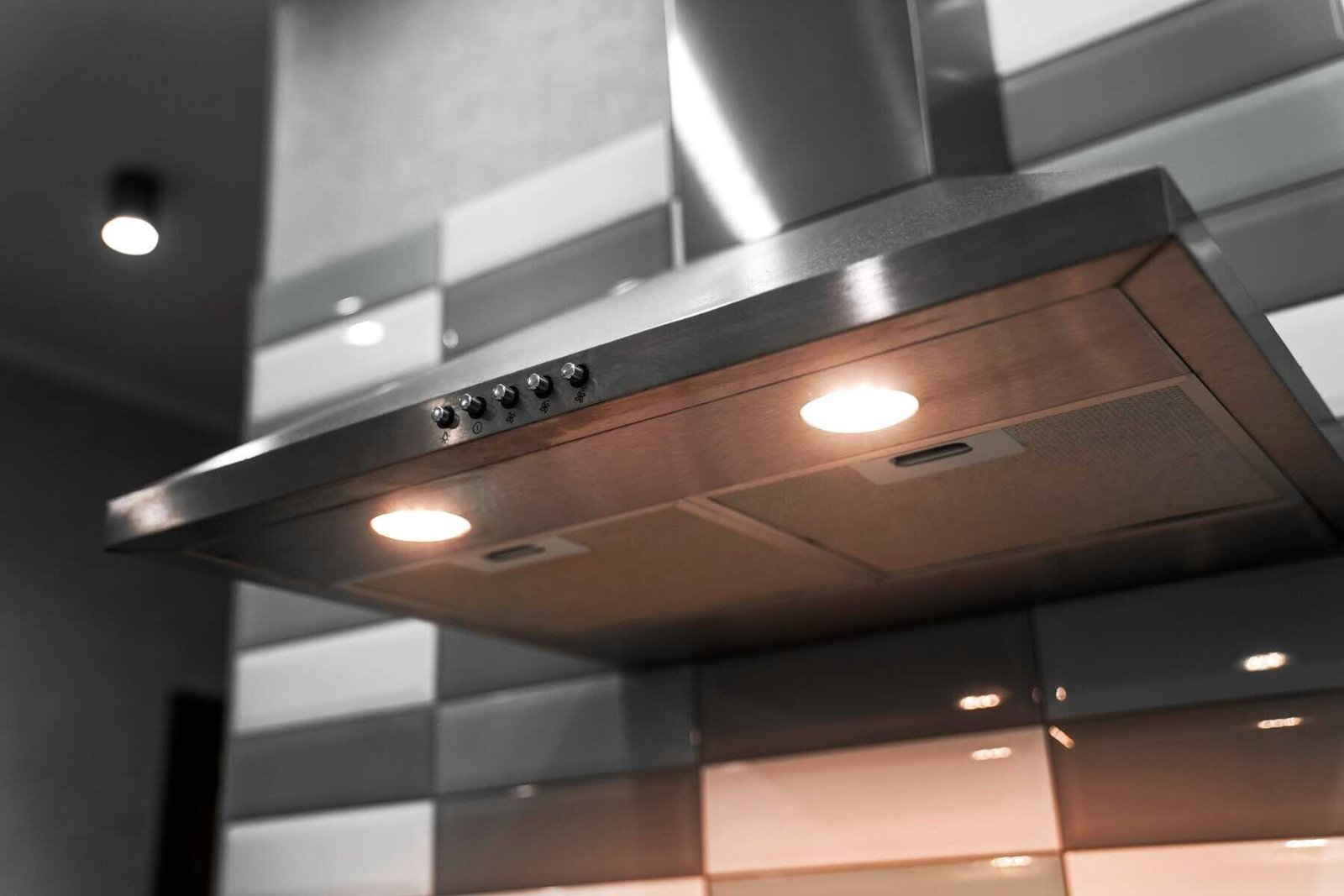
Upgrading your kitchen often involves focusing on countertops, cabinets, and appliances. However, ventilation is a crucial aspect that is sometimes overlooked until issues arise. When considering renovation costs and long-term affordability, questions about code requirements and budget come into play alongside major financial decisions like managing a mortgage.
So, is a range hood necessary or just a recommended upgrade? The answer depends on building codes, the type of stove in use, and the importance placed on indoor air quality.
Understanding the Function of a Range Hood
A range hood is a mechanical ventilation system installed above a cooktop or range to remove:
- Smoke
- Grease particles
- Heat
- Steam and moisture
- Odors
- Combustion byproducts from gas stoves
Some models vent air outside through ductwork, while others recirculate air through filters. It is essential to understand the difference in performance between the two options, especially concerning building codes and home safety.
Code Requirements for Range Hoods
Under the International Residential Code, mechanical ventilation in kitchens is mandatory. Most jurisdictions require hoods to exhaust directly to the exterior when installed. While meeting minimum code is necessary, optimal performance often requires exceeding these standards.
For gas stoves, ventilation is even more critical as recirculating systems do not effectively remove combustion gases. Inadequate ventilation can lead to indoor air quality issues, fire hazards, and inspection failures.
Choosing Between Ducted and Ductless Range Hoods
When deciding on a range hood for your kitchen, it is essential to compare ducted and ductless options:
| Ducted Range Hood | Ductless Range Hood |
|---|---|
| Exhausts air directly outside | Recirculates air through charcoal filters |
| Removes combustion gases | Easier and cheaper to install |
| Reduces humidity effectively | Does not remove combustion byproducts |
| Typically preferred for gas cooktops | Requires regular filter replacement |
| Many jurisdictions require exterior venting when installed |
Properly designed and ducted exhaust systems are crucial for safety and performance, especially in kitchens with gas appliances. Homebuyers today value indoor air quality and safety features, making a well-vented range hood a desirable asset for resale value.
Considerations for Installation and Costs
The costs and installation of a range hood vary based on layout and accessibility. While ductless models may be cheaper upfront, they may not offer the same long-term benefits as ducted hoods. It is essential to check local building codes and consult licensed contractors before making a decision.
Conclusion
In conclusion, a range hood is necessary for proper kitchen ventilation, as required by modern building codes. Considering factors like gas appliances, indoor air quality, and safety, investing in a well-vented range hood can enhance performance, safety, and resale value in the long run.