
The Housing Affordability Challenge
The housing affordability challenge in the nation is not just about the availability of homes but also the limited supply of entry-level properties accessible to first-time buyers. Homes priced below $300,000 are crucial for first-time buyers and essential workers, but this segment faces intense supply constraints.
The U.S. Census Bureau data reveals that nearly one in 10 homes nationwide is vacant, indicating unused housing inventory. New Western president and co-founder Kurt Carlton notes a shift in how entry-level housing supply is entering the market.
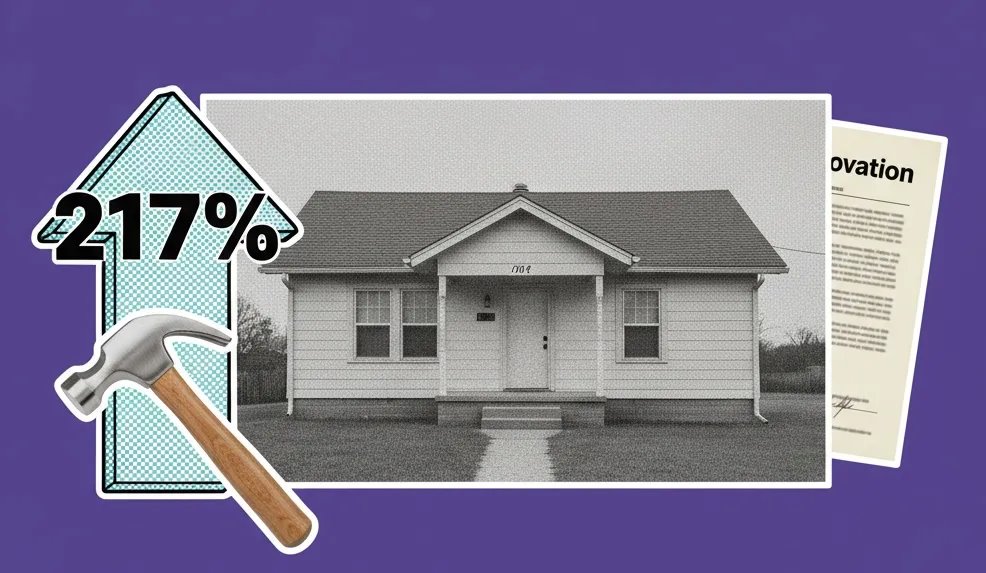
According to the report, small, local independent investors have become the largest suppliers of starter homes in America by revitalizing existing homes that would otherwise remain underutilized. This phenomenon, known as the Great Renovation, is restoring the first rung of the housing ladder.
Investors dominate entry-level supply
The report shows that investors account for a significant portion of new housing inventory priced below $215,000 and $250,000. New construction remains focused on higher price points, with only a small percentage in the starter-home price band of $261,000 or less.
Many homes purchased by investors are not listed on the open market due to requiring significant repairs. The report highlights that investor-driven transactions generate economic activity within the housing sector.
Vacant stock, local market trends
There are over 15 million vacant homes across the country, along with more than 6.7 million occupied homes needing substantial repairs. Investor renovations contribute to economic activity within the housing sector, generating billions in listing agent commissions.
Investor activity in producing entry-level housing inventory surpasses new construction in various metropolitan areas. Examples include St. Louis, Boston, Atlanta, and Charlotte, where investors delivered significantly more starter homes compared to builders.
Impact on homebuyers and agents
Starter homes play a vital role in the housing market by allowing first-time buyers to enter homeownership and stimulate movement across higher price tiers. Limited entry-level inventory can slow down housing market activity as existing owners postpone sales or upgrades.
Real estate agents and brokers are increasingly dealing with investor-driven renovations that convert distressed properties into move-in-ready homes. As entry-level inventory remains scarce in many markets, renovated homes may represent a larger share of available properties for first-time buyers, influencing agents’ focus areas.