
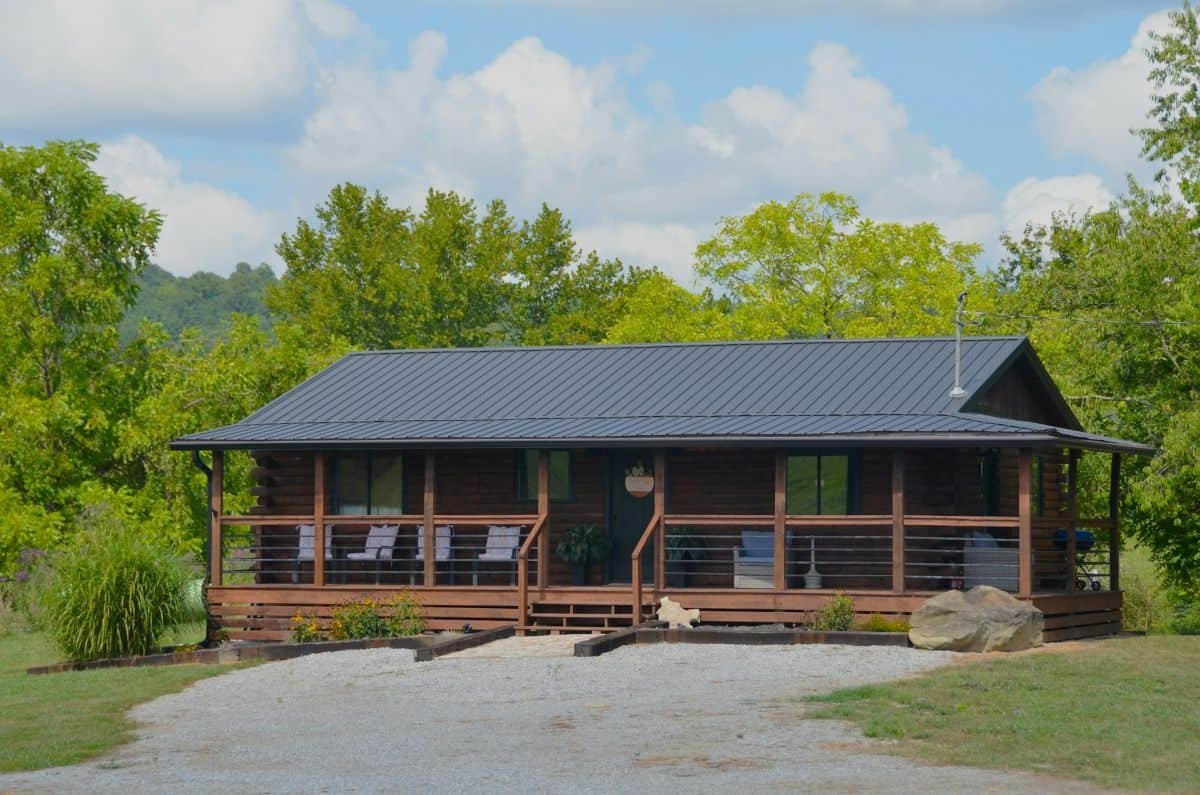
As interest rates fluctuate and the cost of homes for sale continues to rise, many potential buyers are exploring alternative paths to homeownership. One option that is gaining popularity is manufactured housing.
Whether you are in the market for an affordable home in Los Angeles or Charleston, SC, the outdated stereotype of flimsy mobile homes is quickly becoming a thing of the past. Modern manufactured homes are constructed in high-tech facilities, designed for energy efficiency, and offer a practical and cost-effective route to owning a home.
From understanding the HUD code to financing your purchase, here is a comprehensive guide to today’s manufactured homes.
In this article:
What is a manufactured home?
Manufactured home vs mobile home
Manufactured home vs modular home
The build process
Manufactured home cost
Where you can put mobile homes
Financing a manufactured or mobile home
Manufactured home long-term value
Mobile home pros and cons
Is a manufactured home right for you?
What is a manufactured home?
A manufactured home is a prefabricated house constructed using standardized parts in a controlled factory environment and then transported to its final location. In contrast, traditional homes are built on-site on a permanent foundation, with materials delivered to the property.
Manufactured homes are built on a steel chassis, allowing them to be transported by trailer. Once they reach their destination, they are anchored to the ground—either on a permanent foundation or using concrete blocks, piers, or tie-downs. While they can be moved again, most manufactured homes remain in their original location. However, due to their transportability, manufactured housing is often considered a vehicle and must adhere to related tax and zoning laws.
The HUD code
By law, a manufactured home is defined as a dwelling built after June 15, 1976, and regulated by the Federal Manufactured Home Construction and Safety Standards, commonly known as the HUD code. Unlike site-built homes, which follow varying local or state building codes, every manufactured home in the U.S. adheres to the same federal standard.
This code governs everything from the roof’s strength to the insulation’s efficiency and the electrical system’s safety. Similar to traditional homes, manufactured housing uses familiar building materials like drywall and lumber, and buyers can choose from a range of layouts, finishes, and upgrades.
Manufactured homes vs. mobile homes
While some people still use “manufactured home” and “mobile home” interchangeably, they are not the same. Both are standardized, factory-built homes that are transportable. The primary differences lie in the build date and quality.
- Mobile homes: Constructed before June 15, 1976, before the HUD Code existed. These homes often had lower safety and quality standards and may be challenging to finance or insure today, but they are typically resold in parks at an affordable price point.
- Manufactured homes: Constructed after June 15, 1976, these are the modern, safe, and regulated versions seen today. They are usually of higher build quality, can be larger, and may be affixed to a permanent foundation.
Why the distinction matters: When shopping for a manufactured home, checking the build date is crucial. Most lenders only finance prefab housing built after the 1976 cutoff—and some may require an even more recent build date, or they may only accept cash transactions for pre-1976 mobile homes.
Manufactured homes vs. modular homes
At the other end of the prefab housing spectrum are modular homes, which are occasionally confused with manufactured housing. While both start in a factory, that is where the similarities end.
Modular homes are akin to customizable flat-pack furniture—most of the home is built in precise, fittable parts in a factory setting, then transported to the build site for final assembly. Unlike many manufactured homes, modular homes are detached from the trailer and assembled on permanent foundations, potentially with a basement or crawl space. They must also comply with local building laws and regulations, treating them like traditional homes from the beginning in the eyes of banks and insurance companies.
Preparing the home site while the structure is factory-assembled makes modular homes quicker and less expensive to build than traditional homes (with a base price around $50–$100 per square foot), but they ultimately require more labor, materials, and permitting than manufactured housing.
How manufactured homes are built
Manufactured homes are constructed in a controlled factory environment rather than on a traditional construction site. This method enables builders to streamline production, avoid weather-related delays, and maintain consistent quality throughout the building process.
- Indoor construction: The entire home is built indoors, keeping lumber dry, drywall protected from rain, and adhesives in optimal conditions to cure, reducing the risk of warped materials.
- Efficiency: Factories build manufactured homes in bulk using standardized plans, allowing them to order materials at a discount and use them efficiently, passing those savings on to buyers.
- Built-in inspections: Inspectors oversee every stage of the assembly line in a factory. Each joint, wire, and pipe is checked before a home section is sealed and ready for transport.
- Delivery to site: Once the structure is complete, it is transported via single, double, or triple-wide trailers to its installation location, or “set.” This process involves connecting sections, hooking up utilities, and securing the unit in place on the chassis before the final inspection.
How much do manufactured homes cost?
The median home price in the U.S. is currently nearly $430,000, according to Redfin data. Manufactured homes are significantly more affordable, with U.S. Census Bureau data showing average prices around $83,000 for a single-wide and $158,000 for a double-wide, excluding upgrades.
In addition to the home cost, remember to budget for:
- Land or site fee: The location where you place your home will determine this cost, so have the site arranged in advance.
- Site preparation: Tasks like tree clearing, ground leveling, concrete pad pouring, and potentially foundation preparation.
- Utility hookups: Connecting to water, septic, and electricity services.
- Delivery fees: Depending on the manufacturer and distance from the factory.
- Customization and finishes: Your final total can vary greatly based on choosing base-model options or higher-end materials and finishes.
Where can manufactured homes be placed?
While manufactured homes can offer a more affordable housing option, the location where the home is situated can significantly impact the overall cost.
1. Private land
You purchase a piece of land and place your home on it. This option often yields long-term value. When the home is permanently affixed to a foundation on land you own, it is more likely to be taxed as “real property,” like a traditional house. This makes it easier to sell in the future and allows for potential appreciation in value. However, factors such as land costs, local zoning regulations, site and utility preparation, and property access must be considered before buying a manufactured home.
2. Manufactured home communities (parks)
In this scenario, you own the home but typically lease the land from a park owner. Monthly “lot rent” covers amenities like water, trash removal, and community maintenance.
- Pros: Lower upfront costs, as you don’t need to invest in land or site preparation, and the setup is straightforward.
- Cons: You do not own the land, even if you own the home. If the park owner increases rent, your monthly expenses rise, and there may not be rent caps in place.
Can you finance a manufactured home?
Financing options for a manufactured home depend on installation method, title status, and land ownership or lease.
1. Construction-to-permanent loans
If you are buying a new manufactured home and already own—or are acquiring—land, a construction-to-permanent loan (often called a “one-time close” loan) can combine the entire process into a single mortgage.
This loan covers the land purchase, site preparation (e.g., clearing, grading, septic installation), the home itself, and final installation. During the construction phase, buyers typically make interest-only payments, reducing monthly costs until the home is complete. Once the home is installed and passes final inspection, the loan transitions into a standard 15- or 30-year mortgage automatically.
To qualify, the home must be new, bought directly from the manufacturer, affixed to a permanent foundation, detached from the chassis, meet HUD standards, and comply with local building codes. The home must also be classified as real property.
2. Conventional and government loans
Some manufactured homes may qualify for traditional mortgage financing if they meet specific criteria:
- The home was constructed after June 15, 1976, meeting the HUD Code.
- The home is permanently affixed to a foundation meeting local and lender requirements.
- The borrower is purchasing the land where the home is situated.
- The home is titled as real property, not personal property.
- The home is double-wide or larger and serves as the primary residence.
While fewer lenders offer loans for mobile or manufactured homes, meeting the above conditions increases your chances of securing financing (assuming you also meet personal loan requirements, such as credit score).
3. Chattel loans
If you are moving into a park where you lease the land, traditional mortgage financing is typically unavailable. Instead, you would opt for a chattel or personal property loan.
Since banks view manufactured homes as movable property, a chattel loan functions similarly to an auto loan. The bank finances the structure, not the land, which is perceived as higher risk. Interest rates may be higher than mortgage rates, loan amounts could be lower, and terms are usually shorter. However, approval is usually quicker and easier compared to traditional financing.
4. Dealer financing
A final financing option is securing a loan directly through the manufactured home provider. Similar to a car dealership, manufactured home retailers partner with lenders to provide financing at the point of sale, managing purchasing paperwork, factory coordination, and delivery timing.
While convenient and suitable for buyers with unique credit circumstances, dealer financing may not offer the most competitive interest rates or loan terms.
Do manufactured homes appreciate in value?
The prevailing belief in real estate is that manufactured homes depreciate like vehicles. However, manufactured homes can—and do—appreciate in value. According to the Urban Institute, manufactured homes titled as real property have appreciated at rates nearly identical to traditional homes, growing over 200% since 2000.
Appreciation hinges on more than the home itself: when you own the land and home together, the home becomes a fixed component of a larger real estate investment. As the neighborhood improves and land values increase, your home’s value rises in tandem.
However, if the home is on leased land in a park, its value may remain stagnant or decline because the primary asset (the land) belongs to someone else.
Title elimination
Most manufactured homes come with a vehicle title from the DMV. Title elimination, or de-titling, is the legal process of surrendering that vehicle title and recording the home as a permanent improvement on your land.
This transition makes it easier for future buyers to qualify for traditional mortgage financing, potentially enhancing resale value. Lenders and appraisers often view de-titled homes as more permanent, bolstering long-term equity.
Pros and cons of manufactured homes
Pros
- Affordability: You can typically get more square footage for the same or lower price compared to a traditional home.
- Speed: Moving into a brand-new home takes months rather than the year or more required for on-site construction.
- Consistency: Factory builds mean no weather-related damage during construction and standardized inspections.
Cons
- Financing: Unless you own the land and de-title the home, financing options may be limited and interest rates higher.
- Zoning: Not all neighborhoods or counties permit manufactured homes, or they may have specific requirements, necessitating thorough review of local laws.
- Resale: Value is heavily influenced by land ownership, structure age and condition, and foundation status. Stigma may also impact the buyer pool, despite advancements in manufactured housing quality and design.
Is a manufactured home right for you?
Ultimately, a manufactured home can offer a faster, more affordable path to homeownership, with the quality and appeal of manufactured housing continually improving.
A manufactured home may be a good fit if:
- You are a first-time buyer seeking homeownership at a more accessible price point. Even on leased land, monthly payments could be lower than renting in your area, facilitating increased savings.
- You are a landowner desiring a modern, quality home without the complexities of traditional construction.
- You are retiring and wish to exchange a high-maintenance family home for an energy-efficient space or reside in a low-maintenance park community.
The outdated perception of mobile homes from the 1970s is fading away, and modern manufactured homes provide a viable homeownership solution that doesn’t necessitate winning the lottery—just some research and the perfect placement location.