
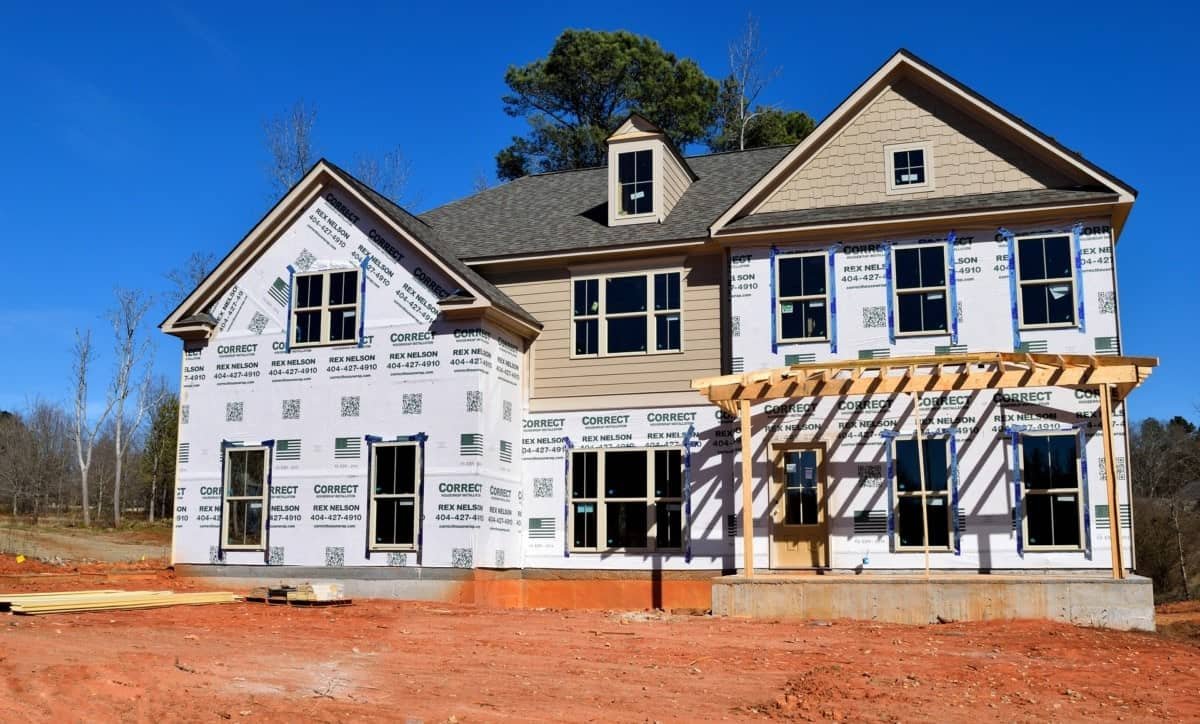
Building your own home can be both thrilling and overwhelming. From planning and budgeting to choosing the right lot and building your dream team, there are many factors to consider. With a well-thought-out plan and a reliable team, you can turn your dream home into a reality in no time.
Whether you’re envisioning a home in Chandler, AZ, or ready to start construction in Naperville, IL, this comprehensive guide from Redfin will walk you through each stage of the home-building process, from selecting the perfect land to moving in.
Phase 1: Planning and Preparation
- Define Your Vision and Budget: Before you start meeting with builders or scouting for land, it’s essential to clearly outline your needs and budget. Consider factors like the number of bedrooms and bathrooms, layout preferences, energy-efficient upgrades, and your overall budget, including all expenses from land to finishes.
- Choose the Right Lot: The location and features of your lot can significantly impact your home design, costs, and future resale value. Consider factors like utility access, zoning restrictions, lot slope, soil conditions, and neighborhood development plans before making a decision.
- Build Your Dream Team: A successful home build relies on hiring experienced professionals you can trust, including a builder, architect, lender, and real estate agent. Take your time to compare options, review portfolios, and establish clear communication to avoid misunderstandings later on.
Phase 2: Permits, Design, and Breaking Ground
- Secure Building Permits: Before construction can begin, you’ll need various building permits to ensure your home meets safety and zoning requirements. Costs for permits can vary, so it’s essential to budget accordingly and confirm all necessary permits early on.
- Finalize the Design and Floor Plan: Work closely with your architect and builder to finalize details like room dimensions, window placement, storage configurations, exterior materials, and interior finishes. Consider both your current needs and future resale value when making design choices.
- Site Prep and Foundation: Once permits are approved, construction starts with site preparation and foundation work. The type of foundation will depend on factors like climate, soil conditions, and budget. Inspections are crucial at this stage to ensure structural integrity and code compliance.
Phase 3: Framing, Systems, and Structure
- Installing Plumbing, Electrical, and HVAC: Essential systems like plumbing, electrical wiring, and HVAC are installed behind the walls once the foundation is ready. Inspections are crucial at this stage to ensure everything is in order before walls are covered.
- Framing the Home: This stage brings your vision to life as floors, walls, and roof trusses are assembled to give shape to your floor plan. It’s an exciting milestone as you can physically walk through the rooms and visualize your future home.
- Insulation and Drywall: Insulation is installed to improve energy efficiency and comfort, followed by drywall installation to transition your home from a construction site to livable spaces.
Phase 4: Finishes and Fixtures
- Interior and Exterior Finishes: Details like siding, roofing, flooring, cabinets, and paint are finalized at this stage. Pay attention to small details as they can have a significant impact on the final design and functionality of your home.
- Fixtures, Appliances, and Lighting: Your builder will install fixtures, appliances, and lighting to make your home almost ready for move-in. Kitchen and laundry appliances will also be placed during this stage.
- Landscaping and Outdoor Spaces: As construction nears completion, you can focus on landscaping and outdoor finishes to enhance the curb appeal of your home. Even simple additions like grass, plants, and walkways can make a big difference.
Phase 5: Final Steps and Move-In
- Final Inspections: Local building inspectors will conduct final inspections to ensure your home meets all safety and code standards. Once approved, you’ll receive a certificate of occupancy, officially allowing you to move in.
- Walkthrough and Punch List: Before closing, do a thorough walkthrough with your builder to identify any unfinished details or imperfections that need attention. Create a punch list for completion before moving in.
- Move In and Enjoy Your New Home: Once everything is completed, it’s time to move in and make your new house a home. Keep all warranty information handy for any minor issues that may arise in the first year.
Building a home is a journey that involves creating a space tailored to your lifestyle. Stay organized, communicate effectively with your team, and celebrate each milestone along the way. When the dust settles, you’ll have a home that’s truly yours, built for your unique story.
FAQs about Building a House
- How long does it take to build a house?: On average, it takes between six and twelve months from permit to completion, depending on various factors.
- Is it cheaper to build or buy?: Building offers customization but can be more expensive than buying an existing home once land and soft costs are factored in.
- What’s the biggest mistake first-time builders make?: Underestimating costs and time. It’s essential to have a contingency budget and expect small delays.
- What’s the most expensive part of building a house?: Framing and overall structural work are usually the most expensive components, including the foundation and labor costs.
Building a home is a significant undertaking, but with careful planning and the right team, you can create a space that truly reflects your vision and lifestyle. Enjoy the process and look forward to the moment when you can call your new house a home.