
Considering selling your land without the help of a realtor? You’re not alone, and the good news is that it is entirely feasible to successfully sell your property on your own. While it may require some effort and planning, many landowners discover that selling vacant land without a realtor provides them with more control over the sale and saves them thousands of dollars in commission fees.
Understanding the Unique Aspects of Land Sales
Selling land differs significantly from selling a house. Land buyers have distinct motivations and needs. They are not interested in features like granite countertops or renovated bathrooms. Instead, they are envisioning what they can build on your property or how they can utilize the space. This means you need to help them see the potential that your land offers.
Keep in mind that the pool of land buyers is usually smaller than that of home buyers, so the selling process may take longer. This is normal for most vacant land sales. With the right approach, you will find the perfect buyer for your property.
Step-by-Step Guide to Selling Vacant Land Without a Realtor
Step 1: Determine if FSBO is the Right Choice for You
Selling land without a realtor can be a rewarding experience, both financially and personally. You will save a significant amount on commissions and have full control over the sale. However, it does require dedication, organization, and a willingness to learn the process. If you are comfortable with these requirements and have the time to invest, selling your land on your own can be a smart decision.
Requirements for Successfully Selling Land by Owner:
- Time Commitment: Equivalent to a part-time job
- Skills Needed: Negotiation, marketing, organization, patience
- Commission Savings: Typically 5 – 10% of the sale price
- Trade-Off: Time and effort versus cost savings
When to Consider Hiring a Realtor:
- Complex legal situations
- Lack of time or expertise
- Need for broader marketing reach
- High-value properties requiring specialized knowledge
Step 2: Prepare Your Property and Gather Important Information
Before listing your land, take the time to enhance its appeal. You will also need to collect a significant amount of information related to your property as you get it ready for sale.
Physical Preparation of the Land:
- Remove debris, junk, and fallen branches
- Clear overgrown vegetation
- Mark property boundaries with stakes or flags
- Ensure access roads/trails are clear and accessible
- Make the property safe for viewing
Gather Essential Information About the Property:
- Zoning Designation: Residential, commercial, or agricultural
- Utility Availability: Water, electricity, potential septic system
- Building Restrictions: HOA rules, easements, setbacks
- Soil Conditions: Perc test results if available
- Property Features: Acreage, access, views, water rights, mineral rights
Understanding zoning is crucial – buyers need to know what can legally be built or done on the property.
Step 3: Organize Paperwork for Selling Land Without a Realtor
One of the most vital aspects of selling land without a realtor is having your documentation in order from the beginning.
Pre-Sale Documents:
- Property Deed (proof of ownership)
- Recent Property Tax Bills
- Existing Surveys (property boundaries and measurements)
- Title Report (confirms clear ownership, no liens)
- Zoning Documentation and restriction information
- Proof of Legal Access
- Utility Availability Details
- Required Property Disclosures (state-specific)
Transaction Documents:
- Purchase and Sale Agreement: Outlines price, closing date, contingencies, terms
- Deed: Legal document transferring ownership (warranty, quitclaim, or grant deed)
- Closing Statement: Itemizes financial details
- Transfer Tax Documents
- Recording Fees Documentation
Professional Assistance:
- Real Estate Attorney: Highly recommended for contract review, legal compliance, closing guidance
- Title Company: Handles title search, insurance, escrow, document recording
- Cost: Small investment that prevents major legal problems
Step 4: Price Your Land Strategically
Pricing land can be challenging as each parcel is unique. For the most accurate pricing, consider hiring a land appraiser or consulting with several land professionals.
Research Methods for Pricing Land:
- County Assessor Records: Check current tax assessments and recent comparable sales
- Online Platforms: Compare prices on Redfin or For Sale By Owner for similar properties
- Per-Acre Analysis: Review pricing for land with similar characteristics
- Professional Appraisal: Hire a land appraiser for a formal valuation
- Multiple Estimates: Consult 2-3 land professionals for comparative market analysis
Factors Affecting Land Valuation:
- Location and access
- Acreage and buildable land
- Utilities and infrastructure
- Zoning and permitted uses
- Topography and soil quality
- Water and mineral rights
- Market conditions and supply-demand dynamics
Pricing Strategy for Standard or Quick Sales of Your Property:
- Standard Sale: Price competitively based on comparable sales
- Quick Sale: If you need to sell the property quickly, consider pricing 30-50% below market value to generate investor interest
- Avoid Emotional Pricing: Base decisions on market data, not personal attachment
Step 5: Market Your Property Effectively
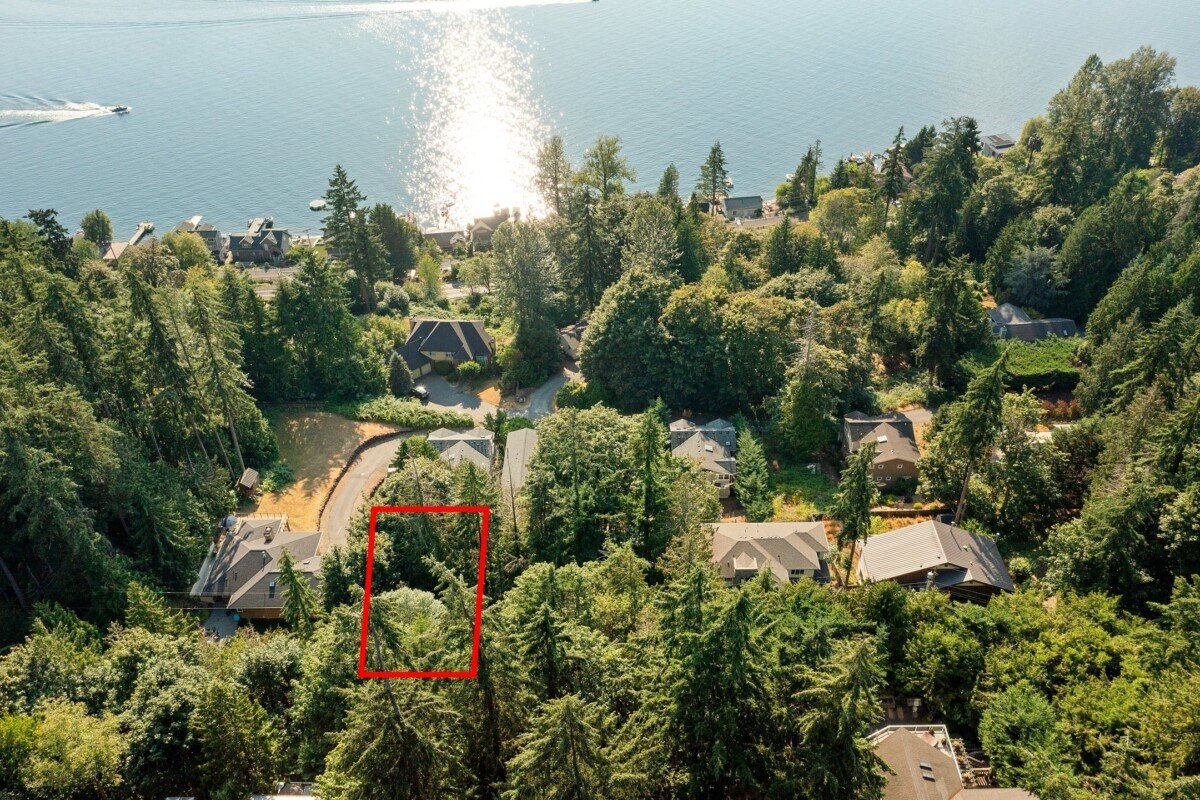
High-quality photography is essential when selling vacant land without a realtor. Since most buyers start their search online, your photos serve as their first impression. Properties with excellent photos attract significantly more interest.
Professional Photography is Crucial:
- Hire a professional photographer for aerial drone imagery
- Capture multiple angles and perspectives
- Include property boundary markers in photos
- Show seasonal variations if possible
Traditional Marketing:
- For Sale Signs: Place on the property with contact information
- Directional Signage: Guide buyers from high-traffic roads
- Professional Brochures: Feature photos, details, contact information
- Neighbor Outreach: Contact adjacent property owners directly
- Local Networking: Spread the word through community connections
Targeted Buyer Outreach:
- Local Builders/Developers: For residential-zoned land
- Commercial Developers: For commercial-zoned properties
- Recreational Buyers: For hunting or leisure land
- Neighboring Owners: Often the most likely to purchase for expansion
Listing Content Requirements for Online Listings Sites like Redfin:
- Detailed, accurate property descriptions
- Unique features and potential uses highlighted
- Soil quality and nearby amenities
- Intended use clearly stated (residential, agricultural, commercial)
- Comprehensive information to reduce buyer skepticism