
When purchasing a new home, it’s crucial to ensure that there are no hidden health hazards lurking behind closed doors. While most buyers focus on obvious issues like roof leaks or faulty wiring, one silent threat that often goes unnoticed is radon.
Including a radon test as part of your home inspection is a simple and affordable way to safeguard your health and make an informed decision before finalizing the purchase, whether you’re buying a property in Denver, CO, or Portland, ME.
Understanding Radon
Radon is a radioactive gas that occurs naturally when uranium in soil, rock, or water decays. It can seep into homes through cracks in the foundation, gaps around pipes, sump pumps, or crawl spaces. Despite being invisible, odorless, and tasteless, prolonged exposure to high levels of radon can be harmful. In fact, the U.S. Environmental Protection Agency (EPA) identifies radon as the second leading cause of lung cancer in the country, resulting in numerous deaths annually.
Since radon levels can vary significantly from one property to another, it’s essential to conduct individual tests for each home. Factors like weather conditions and temperature fluctuations can influence radon levels, making testing a crucial part of the home inspection process.
Radon Inspection Process
During a standard home inspection, radon testing is not always included by default. You may need to request it as an additional service or hire a certified radon specialist separately. The inspector will place a test device in the lowest livable area of the home, such as the basement or first floor, to measure gas levels over a few days. It’s important to maintain “closed-house conditions” during testing by keeping windows and doors closed for at least 12 hours before and during the test.
There are different methods for measuring radon levels, including passive (DIY) test kits and active (professional) radon tests. While passive devices are affordable and simple to use, active devices provide real-time data and are more accurate, making them ideal for real estate transactions.
Cost of Radon Testing
On average, radon testing as part of a home inspection package can range from $100 to $250 for buyers, or $300 to $600 for homeowners and sellers if ordered separately. Despite varying costs, investing in radon testing is a small price to pay for ensuring the safety of your home. Detecting high radon levels early allows for negotiation of mitigation options before closing the deal and mitigates long-term health risks.
Duration of Radon Testing
Most home buyers opt for short-term radon tests during the inspection period, lasting 48 hours. Long-term testing, which can span from 90 days to one year, is recommended for ongoing monitoring, especially after moving in or making renovations that may impact radon levels.
If a short-term test result is close to the EPA action level of 4.0 pCi/L, follow-up testing is advised for confirmation or accuracy. Understanding the test results is crucial, as levels exceeding 4.0 pCi/L necessitate action, such as remediation.
Dealing with High Radon Levels
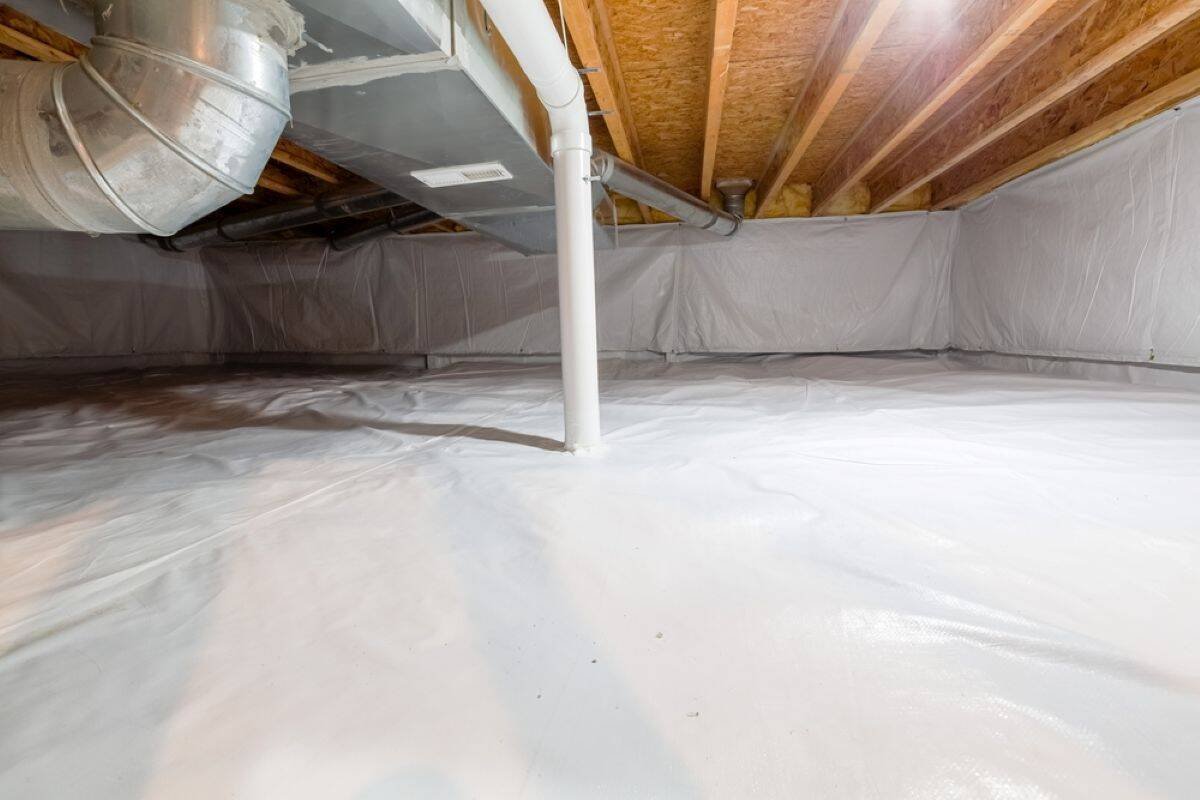
Discovering high radon levels in a home doesn’t mean you should avoid the purchase. Radon issues are common and can be effectively addressed with a radon mitigation system, which typically costs between $800 and $1,500. These systems reduce radon levels significantly and are relatively low maintenance.
After installation, follow-up testing is conducted to ensure the system is functioning correctly. Regular retesting every two years is recommended, especially after basement renovations or HVAC changes.
Reducing Radon Levels
- Seal foundation cracks and gaps
- Improve ventilation
- Treat water if necessary
- Use radon-resistant techniques during renovations
- Install a radon mitigation system
Properties at Risk for Radon
While radon can infiltrate any home, certain factors increase the risk of elevated levels. Homes with basements or crawl spaces, older properties with foundation cracks, tightly sealed modern homes, houses in high-radon regions, and homes near properties with known radon issues are more susceptible to radon accumulation.
No home is immune to radon exposure, and testing is recommended regardless of age or construction. New construction homes may incorporate radon-resistant techniques, but testing post-move-in is still advisable.
Importance of Radon Testing
Radon testing is a crucial step in the home inspection process, providing valuable insights into the indoor air quality and potential health risks. Given the invisible nature of radon, testing is the only way to detect its presence and take necessary actions to mitigate exposure. With approximately one in 15 homes in the U.S. having elevated radon levels, regular testing every two years is recommended to ensure ongoing safety.
Incorporating radon testing into your home inspection not only protects your health but also allows for informed decision-making and proactive measures to address any issues detected. The minimal cost involved in radon testing makes it a wise investment for any homebuyer, ensuring peace of mind and long-term well-being.