
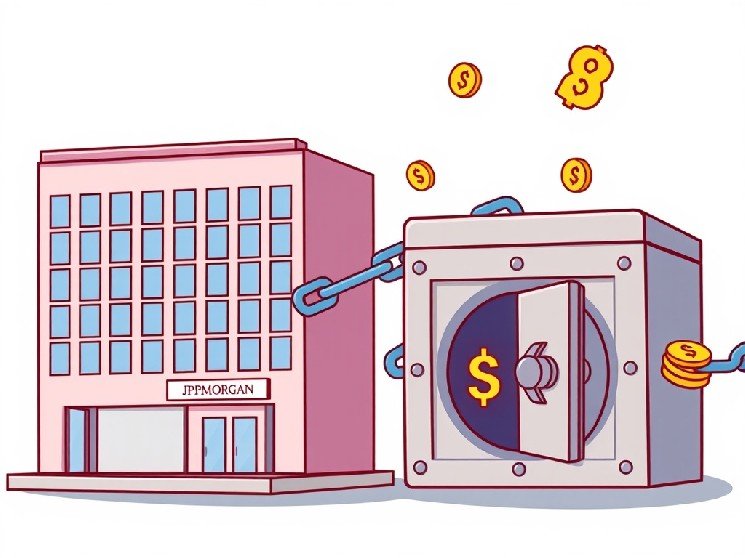
In a groundbreaking move set to transform the landscape of commercial lending, Trimont, a prominent real estate lending services firm, has embraced JPMorgan blockchain payments. This strategic decision, as reported by Bloomberg, signifies a significant advancement in enhancing the speed and efficiency of financial transactions within the traditionally slow real estate sector. This development underscores the increasing impact of blockchain technology on conventional industries for those observing the convergence of finance and technology.
Understanding JPMorgan Blockchain Payments and Their Significance
By integrating JPMorgan blockchain payments, Trimont is leveraging cutting-edge digital ledger technology. This system enables swift and secure fund transfers, departing from the conventional, often cumbersome banking processes. Essentially, blockchain creates an immutable transaction record, promoting transparency and reducing the reliance on intermediaries.
For Trimont, a company overseeing over $200 billion in real estate assets, enhancing payment speeds is not just a convenience but a crucial operational enhancement. Expedited payments can lead to faster deal closures, improved cash flow management, and bolstered trust among all stakeholders involved in intricate real estate transactions.
Revolutionizing Real Estate Lending Through Blockchain
The adoption of JPMorgan blockchain payments by a firm like Trimont carries several profound implications for real estate lending:
- Accelerated Transactions: Traditional real estate payments, due to multiple bank transfers and reconciliation processes, can take days to clear. Blockchain technology can reduce this process to nearly instantaneous settlement.
- Enhanced Transparency: Every transaction recorded on the blockchain is immutable and verifiable, fostering trust and minimizing the potential for fraud or disputes.
- Reduced Operational Costs: By streamlining payment processes and automating reconciliation, companies can significantly reduce administrative expenses.
- Improved Liquidity: Quicker access to funds translates to enhanced liquidity for lenders and borrowers, facilitating more agile financial management.
Collectively, these benefits aim to make the commercial real estate market more agile and responsive to modern business demands.
Implications for the Future of Finance
Trimont’s decision signifies more than just an internal upgrade; it represents a broader shift toward digital transformation in finance. JPMorgan blockchain payments, powered by the bank’s Onyx platform, exemplify how major financial institutions are leveraging blockchain technology. This adoption validates the potential of blockchain beyond cryptocurrencies, showcasing its practical application in regulated, high-value environments.
We are witnessing a clear trend where established financial entities are not merely experimenting with blockchain but actively integrating it into their core operations. This could pave the way for other real estate firms and diverse industries to follow suit, fostering a more interconnected and efficient global financial ecosystem.
Navigating the Digital Landscape with JPMorgan Blockchain Payments
While the benefits are substantial, transitioning to new technologies always presents challenges. These challenges may include:
- Regulatory Adaptation: As blockchain adoption expands, regulators must adapt existing frameworks to ensure compliance and consumer protection.
- Interoperability: Ensuring different blockchain systems can communicate effectively is crucial for widespread adoption.
- Education and Training: Employees and clients will require education on how these new payment systems function.
Despite these hurdles, Trimont’s pioneering step with JPMorgan blockchain payments demonstrates a commitment to innovation. It sets a precedent for how traditional sectors can harness advanced technology to achieve unprecedented levels of efficiency and security.
Trimont’s adoption of JPMorgan blockchain payments marks a pivotal moment for the commercial real estate industry. This move goes beyond operational adjustments, signaling a bold leap into a future where financial transactions are faster, more transparent, and significantly more efficient. As more firms embrace these transformative technologies, we can anticipate a ripple effect that will ultimately redefine how business is conducted across the financial world.
Frequently Asked Questions (FAQs)
Q1: What is Trimont?
Trimont is a global leader in commercial real estate lending services, providing loan servicing, asset management, and advisory services to financial institutions and investors worldwide.
Q2: What are JPMorgan blockchain payments?
These are payment solutions offered by JPMorgan Chase that leverage blockchain technology to facilitate faster, more secure, and transparent interbank and corporate transactions, often through platforms like Onyx.
Q3: How does blockchain specifically benefit real estate transactions?
Blockchain streamlines real estate transactions by enabling near-instantaneous settlement of funds, reducing the risk of fraud through immutable records, and enhancing transparency for all parties involved, thus speeding up the entire deal process.
Q4: Is this trend of adopting blockchain common in the financial industry?
Yes, an increasing number of financial institutions and large corporations are exploring and adopting blockchain technology for various applications, including payments, trade finance, and supply chain management, recognizing its potential for efficiency and security.
Did you find this article insightful? Share it with your network and spark a conversation about the future of finance and real estate! Your insights are valuable.
To learn more about the latest crypto market trends, explore our article on key developments shaping blockchain institutional adoption.
Disclaimer: The information provided is not trading advice, Bitcoinworld.co.in holds no liability for any investments made based on the information provided on this page. We strongly recommend independent research and/or consultation with a qualified professional before making any investment decisions.