
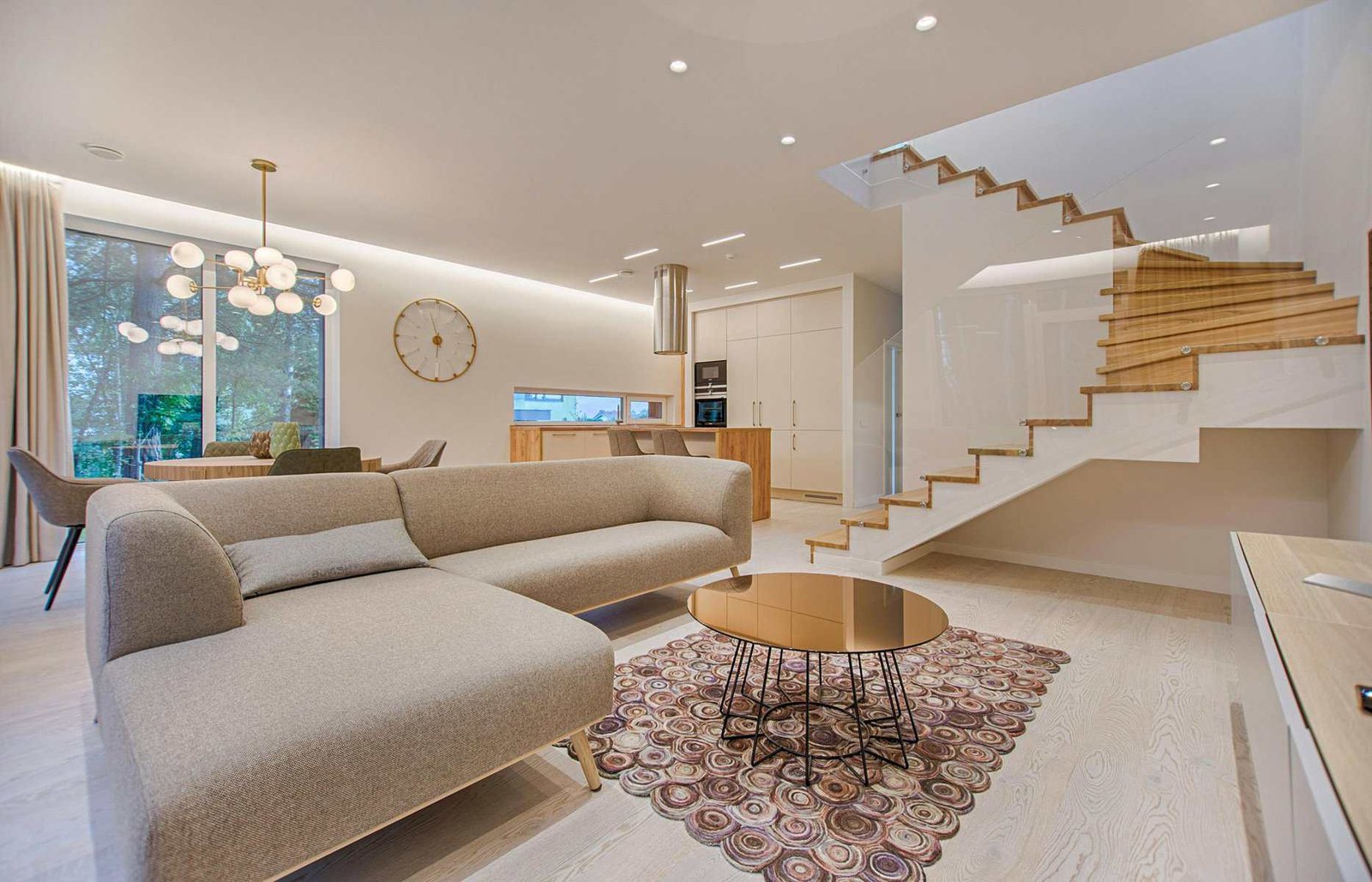
If you’re getting ready to put your home on the market, staging is a crucial step to take. It helps your home look more inviting, polished, and ready for potential buyers to envision themselves living there. Staging is more than just cleaning – it focuses on showcasing your property’s best features so that your listing stands out online and in person.
In a competitive real estate market, making a strong first impression is key. Staged homes often attract more interest and can lead to quicker offers at higher prices, whether your home is located in a quiet town like Galena, IL or a bustling city like Miami, FL.
In this article:
What home staging involves
What home stagers do
Types of staging and average costs
Benefits of home staging
Is home staging worth it?
FAQs
What does home staging really involve?
Staging is all about presenting your home in the best possible light. This process typically includes:
- Decluttering and removing personal items to create a clean, neutral space.
- Rearranging or replacing furniture to enhance flow and highlight features.
- Refreshing paint, lighting, and flooring to make spaces feel fresh and move-in ready.
- Preparing the home for listing photos that grab attention online.
Beyond just appearances, staging is about helping buyers emotionally connect and envision themselves living in the home. By aligning furniture and styling choices with the neighborhood and target buyer lifestyle, staging creates a sense of familiarity and comfort. This emotional connection is often what motivates buyers to take action. According to Bella Virtual Staging, adopting this mindset can lead to better results when selling homes.
You can either stage your home on your own with guidance from your real estate agent or hire a professional stager who has design expertise and access to curated furniture and decor.
Read more: Open House Checklist for Sellers
What does a home stager do?
The goal of a home stager is to make your home appealing to a wide range of buyers. They assess each room, create a plan to improve flow, highlight key features, and present the space in the best possible way. By using a mix of your existing pieces and carefully selected furniture and decor, they transform the home into a polished, inviting space.
Home stagers also ensure that the home is photo-ready so that it stands out online and during showings. Many stagers also provide guidance to help you generate more buyer interest and sell your home faster.
Types of home staging and cost
There are several approaches to staging, each offering unique benefits depending on your goals, budget, and home. Staging costs vary based on the city, home size, and level of service chosen.
Full staging
Best for: Vacant homes or properties in need of a complete transformation.
Full staging involves furnishing and decorating an empty home from scratch. Stagers bring in all furniture, artwork, rugs, and decor to showcase each room’s purpose and potential.
Cost: Typically the most expensive option, ranging from $3,000 to $6,000+ depending on the size and market.
Partial staging
Best for: Homes with some furniture but lacking key pieces or visual impact.
The stager combines your existing items with curated furniture and decor to elevate the presentation. They may remove, rearrange, or replace pieces to create a cohesive, inviting look.
Cost: Usually less expensive than full staging, depending on how much furniture needs to be supplemented. Average pricing ranges from $1,000 to $2,500.
Occupied staging
Best for: Sellers who will remain in the home during the listing.
The stager primarily uses your belongings but may add select accessories or small furniture pieces to enhance the home’s appeal. They also assist with decluttering, room rearrangement, and preparing the space for photos and showings.
Cost: More affordable than full staging, though costs depend on the level of added items and labor, ranging from $1,000 to $3,000.
Read more: How to Stage a House While Living In It
Virtual staging
Best for: Sellers looking to enhance listing photos without physically furnishing the home.
Using digital software, stagers add virtual furniture and decor to listing photos, creating realistic, eye-catching rooms online. This option is budget-friendly and ideal for vacant homes or modern marketing.
Cost: A fraction of the price of physical staging – often charged per photo. Costs can range from $20 to $100 per image or $100 to $600 total for most rooms.
Consultation-only
Best for: Sellers seeking professional advice without renting furniture or decor.
A stager walks through the home (in person or virtually) and provides recommendations on layout, decluttering, updates, and presentation. You can then implement the suggestions yourself.
Cost: Typically the most affordable option – often an hourly rate or flat consultation fee. Fees typically range from about $150-$600 for one visit and strategy session.
7 benefits of home staging
Home staging helps your home make a great first impression – both online and in person. By showcasing your home’s strengths and creating a clean, welcoming atmosphere, staging can attract more buyers and lead to faster, stronger offers.
Read more: 9 Benefits of Home Staging
1. Helps your listing stand out online
Buyers often decide which homes to visit based on photos. Staged homes typically photograph better, making your listing appear brighter, more spacious, and more inviting, leading to increased attention from the start.
Read more: Tips for Real Estate Listing Photos
2. Shows buyers how to use the space
Thoughtful staging helps buyers visualize how their furniture could fit and how each room can be utilized. It enhances the flow of your home and makes spaces feel more functional and comfortable.
3. Creates a great first impression
A well-staged home feels move-in ready as soon as buyers step inside. Clean lines, simple decor, and intentional layouts help buyers focus on the home itself, not distractions.
4. Highlights your home’s best features
Staging draws attention to what makes your home unique – natural light, open layouts, architectural details – while downplaying any quirks or minor imperfections.
According to Mary Penney of MAP Home Staging, selecting timeless pieces that accentuate a home’s architecture, rather than distract from it, can transform vacant properties into emotional experiences that justify premium prices.
5. Helps homes sell faster
When buyers can easily imagine themselves living in a space, they are more likely to act quickly. Staged homes often generate more interest, leading to faster offers and fewer days on the market.
6. Boosts perceived value
A staged home simply looks more polished. This polished appearance can help buyers see the full value of the home, making them more confident in making a strong offer.
7. Reduces time on the market
Staged homes often sell 73% faster than unstaged homes. Quicker sales reduce stress, limit showings, and shorten the transition to your next home.
Read more: Does Staging Help Sell a House?
The most effective staging strategy is tailored to the buyer profile in your neighborhood and price range. Felicia Pulley of the Real Estate Staging Association emphasizes designing for the specific target buyers in the area. Data from the Real Estate Staging Association indicates that staged homes sold an average of 9% over asking in Q3 2025, with homes priced between $750,000 and $1.49 million seeing particularly strong results when the presentation aligned with buyer expectations.
Is home staging worth it?
In most cases, yes – home staging is a worthwhile investment. Staging helps your home look its best from the moment buyers see it online, increasing interest, foot traffic, and potentially leading to stronger offers.
Staging is especially valuable in competitive markets where buyers are comparing multiple homes in the same price range. A staged home often feels cleaner, brighter, and more move-in ready, qualities that can help it stand out and sell faster.
Staging doesn’t have to be an all-or-nothing approach. Many sellers see positive results with partial staging, virtual staging, or a one-time consultation that guides them on decluttering, furniture rearrangement, and overall presentation.
If you’re unsure about which staging route to take, your real estate agent can help you decide based on your home’s condition, local buyer expectations, and your budget. Staging, when done right, is a simple step that can lead to a smoother sale and a more successful outcome.
Read more: Why Home Staging Matters
FAQs about home staging
What is the main purpose of home staging?
The main goal of home staging is to present your home in a way that appeals to a wide range of buyers, making your listing stand out in photos and showings.
Do I need to stage every room?
No, you don’t have to stage every room. Most sellers focus on high-impact rooms like the living room, kitchen, and primary bedroom to get the best return on their staging investment.
How long does home staging take?
A consultation typically lasts one to two hours. Full staging can take one or two days, depending on furniture delivery and scheduling.
Can I stage my home myself?
Yes, many sellers successfully stage their own homes by decluttering, rearranging furniture, and adding simple decor. If you want a more polished look, a professional stager can provide guidance.
Is virtual staging a good option?
Virtual staging is an effective marketing tool for listing photos. It is affordable and helps buyers visualize furniture placement. However, the home still needs to look clean and inviting for in-person showings.
How much does home staging cost?
Home staging costs vary based on the home’s size and the level of service required. A professional staging project typically averages around $1,500, while full staging with furniture rental can range from $3,000 to $6,000. A consultation on its own usually costs between $150 and $600.