

Authored by Jeffrey A. Tucker via The Epoch Times (emphasis ours),
According to Doug McMillon, the CEO of WalMart, artificial intelligence (AI) is reshaping every job within the company, across all levels and sectors. This rapid transformation will lead to the elimination, creation, and modification of various roles.
While there are reasons to be optimistic about these changes, the cautionary lessons from the past few decades should not be overlooked. It’s essential to consider the potential costs and what we may sacrifice in this rapid shift.
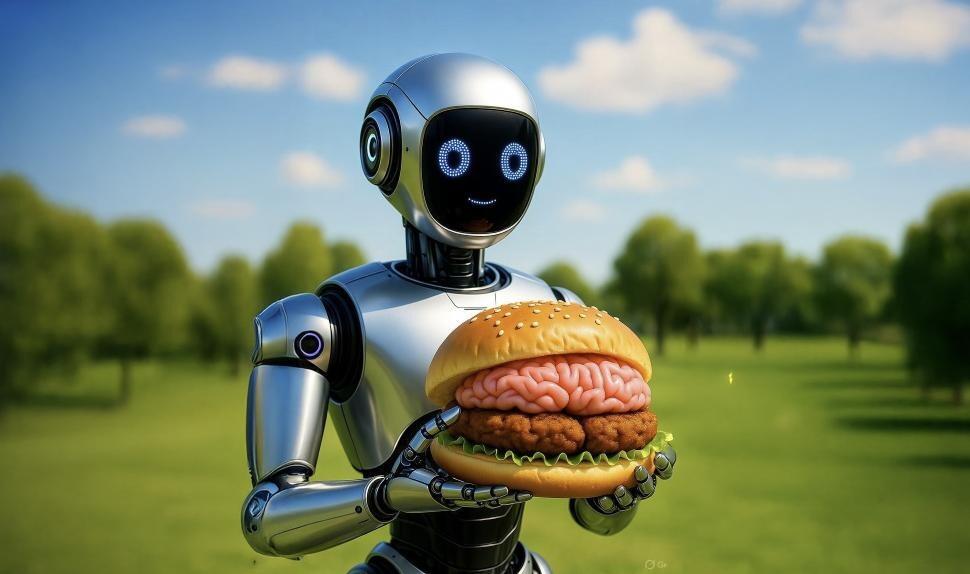
The primary concern with AI lies not in its functionality, efficiency, or usefulness. It excels in all these aspects. The real danger lies in its impact on the human brain. AI’s core objective is to provide solutions to all problems. However, merely obtaining answers does not drive human progress.
True progress stems from the process of learning. Learning involves grappling with challenges, making mistakes, identifying errors, and persisting until the correct solution is reached. This journey of trial and error is where intellectual growth occurs.
Individuals who rely solely on AI to supply answers risk missing out on developing intuition, judgment, and intelligence. Such individuals may remain trapped in ignorance, leaving gaps in their knowledge unexplored and unfilled.
This looming threat is substantial.
The concerns raised by MIT professor Retsef Levi at a recent Brownstone Institute event underscore the potential dangers of building systems heavily reliant on AI. Levi warned that such a dependence could have dire consequences for freedom, democracy, and civilization.
From a personal perspective, there is a genuine risk that AI could erode our capacity for critical thinking. The prevalence of AI tools offering quick summaries of documents, sparing individuals the need to engage deeply with content, signifies a troubling trend. This trend undermines the value of thoughtful analysis and reflection.
This inclination towards shortcuts is exemplified by the pervasive use of executive summaries, emphasizing brevity and efficiency over depth and nuance. This shift towards expediency diminishes the importance of intellectual engagement and contemplation.
These tendencies represent a dangerous facade, perpetuating the illusion that we no longer need to invest time and effort into understanding complex issues. Relying on AI to deliver instant answers bypasses the essential process of critical thinking and exploration.
Reflecting on my own educational journey, I recall the time spent immersed in physical resources like card catalogs and stacks of books. This hands-on approach to research and learning fostered a deep sense of discovery and intellectual growth.
This immersive experience shaped my knowledge base and instilled a passion for learning. By embracing the challenges of traditional research methods, I honed my analytical skills and cultivated a genuine thirst for knowledge.
Contrasting this with the modern reliance on AI for information retrieval, I recognize the potential pitfalls of convenience overshadowing genuine intellectual inquiry. The allure of quick answers risks undermining the value of the learning process itself.
AI’s allure lies in its promise of instant gratification, but this convenience comes at a cost. By circumventing the struggles inherent in intellectual pursuits, we risk stunting our cognitive abilities and losing the capacity for deep, meaningful engagement with ideas.
As we navigate the evolving landscape shaped by AI, it’s crucial to preserve the essence of intellectual curiosity and the joy of genuine learning. Embracing challenges, grappling with complexity, and engaging deeply with ideas are essential for cultivating a robust intellect.
Let us resist the allure of shortcuts and embrace the transformative power of genuine intellectual exploration. By prioritizing the journey of learning over the destination of answers, we can safeguard our capacity for critical thinking and meaningful engagement with the world around us.
Loading recommendations…