
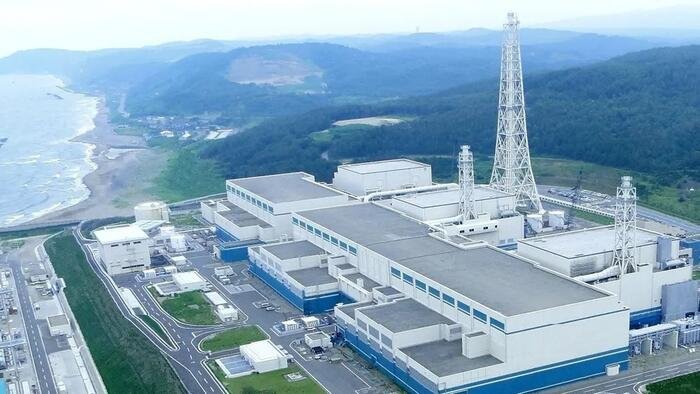
After almost 15 years since the Fukushima disaster, Japan has resumed operations at the world’s largest nuclear power plant, marking a significant milestone in the country’s return to nuclear energy. The reactor, located at the Kashiwazaki-Kariwa Nuclear Power Plant in Niigata Prefecture, is the world’s first nuclear power plant to utilize an advanced boiling water reactor.
With a total capacity of 8.2 GW, the Kashiwazaki-Kariwa plant has the ability to power millions of homes. Operated by the Tokyo Electric Power Company (TEPCO), the site has been offline since the Fukushima accident due to safety requirements and public scrutiny.
Despite opposition from some community members and protesters, the reactor at Kashiwazaki-Kariwa was restarted on February 9 after being shut down for over a decade. The plant’s restart aims to address Japan’s increasing energy demands and reduce reliance on imported fossil fuels.
Prime Minister Sanae Takaichi has voiced support for nuclear restarts to offset the high costs of importing natural gas and coal. Japan plans to double the portion of nuclear power in its electricity mix to 20% by 2040, with new plants already in the planning stages.
Overall, the resumption of operations at the Kashiwazaki-Kariwa plant signals Japan’s commitment to nuclear energy as part of its energy strategy for the future.