
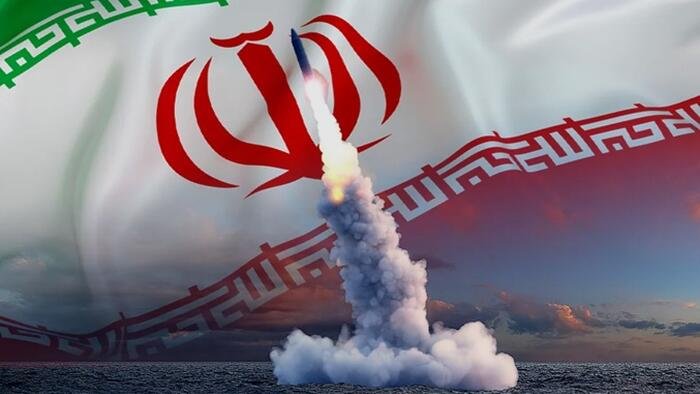
A recent report from Reuters has sparked concerns and raised questions about the effectiveness of the 38-day aerial campaign conducted by the US and Israel, during which over 20,000 munitions were used against Iran. According to the report, US intelligence assessments indicate that the timeline for Iran to build a nuclear weapon has not changed, despite the military strikes aimed at stopping the country’s nuclear program. The assessments suggest that more drastic measures, such as destroying Iran’s remaining stockpile of highly enriched uranium, may be necessary to significantly impede Tehran’s nuclear capabilities.
The report also highlights the dilemma facing policymakers on whether to launch ground operations to remove Iran’s enriched uranium, a move that could lead to a protracted ground war with dire consequences. The White House has emphasized its commitment to preventing Iran from obtaining a nuclear weapon, but Iran has asserted its right to keep its enriched uranium within its borders.
As tensions continue to escalate, there are reports of potential further military actions being planned by Israel and the US. However, Iran has made it clear that it will not budge on the issue of its enriched uranium and is focused on negotiating an end to the conflict.
Overall, the situation remains complex and delicate, with the possibility of further military escalation looming on the horizon.