
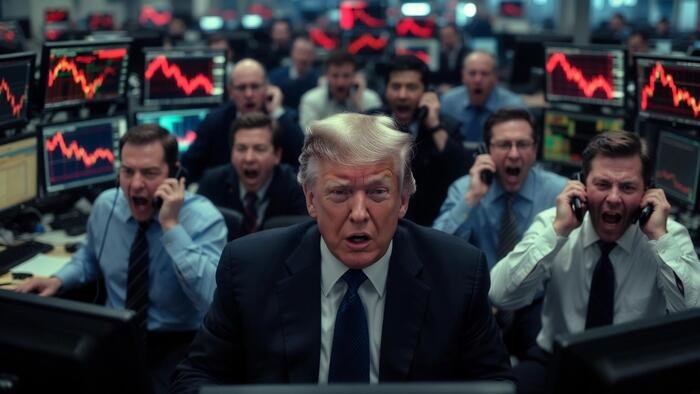
At 1845ET, following an initial surge in oil prices and a dip in stocks, the markets have stabilized somewhat. Brent is slightly decreasing from its Friday highs. Equity futures are hovering around unchanged levels. WTI has crossed $100 once again but is retracting slightly from the initial jump. Futures are down about 1-1.5% from Friday’s after-hours peak. 10-year Treasury futures suggest a 4-5bps increase in yields. Gold remains steady around $4500 after experiencing its worst week in 43 years. Bitcoin has been on a downward trend and is now below $68k.
Investors are starting to factor in the Iran conflict as a prolonged energy shock rather than a temporary geopolitical scare. Goldman Sachs trader, Shreeti Kapa, notes that the market is beginning to reflect inflation risk due to the energy shock but not necessarily anticipating a downside in growth from a prolonged shock.
The duration of the war is a critical variable that will determine market outcomes. The Strait of Hormuz’s reopening and the restoration of oil flows are uncertain. Traditional diversification may not be effective in mitigating risks in such a binary event.
Strategies to navigate through this uncertain period include owning the tails and reducing the middle, reducing gross exposure, waiting for the resolution before entering the market, and using options to capture potential outcomes.
The markets are vulnerable to larger directional movements, with traders hedging against a continued selloff. President Trump’s 48-hour deadline is approaching, adding to the uncertainty in the markets. The slow derisking process indicates growing concerns about stagflation if the conflict persists.
In a binary risk environment, optionality and liquidity are crucial. Holding cash for flexibility may be a prudent strategy given the current market conditions. For more insights from Goldman’s Sales & Trading team, visit Marketdesk.ai.