
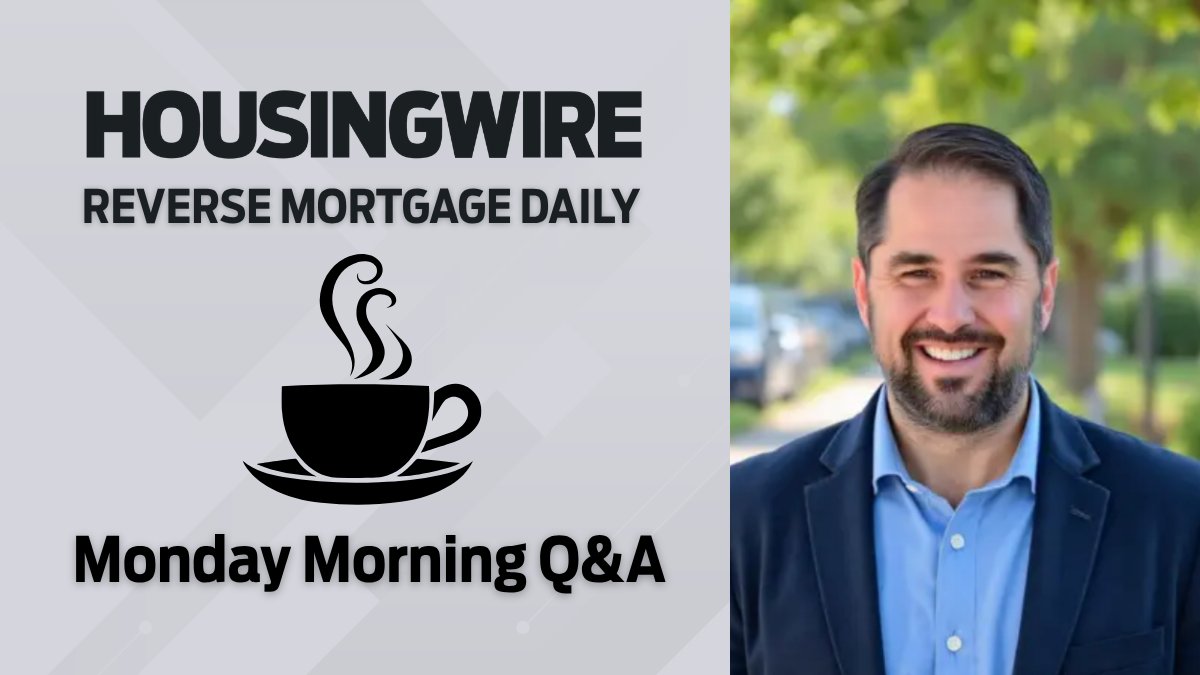
Shain Urwin, who joined the reverse mortgage industry in 2017 while working at Fairway Home Mortgage, shared insights on the current state of the market. C2 Financial, a major brokerage with 1,115 licensed loan officers and $4.85 billion in volume, completed only 16 HECM refinances last year, with 40% of its business coming from proprietary products.
In a candid conversation, Urwin discussed the industry’s challenges, opportunities for growth, and the evolving relationship between lenders and brokers.
Flávia Furlan Nunes: How do you view the current landscape for reverse mortgages?
Shain Urwin: The market has remained relatively unchanged, with no significant updates from HUD since October 2017. The industry is facing challenges in attracting new clients and has seen a decline in numbers over the past few decades.
Nunes: Where do you see the biggest opportunities for growth in the industry?
Urwin: We are seeing potential for growth with more affluent clients and the rise of proprietary lending products. C2 Financial, based in California, has been catering to affluent clients, with about 40% of its business coming from proprietary products.
Nunes: What impact is this landscape having on lenders and brokers?
Urwin: Lenders like Mutual of Omaha, Longbridge, and Finance of America dominate the market, while brokers have more autonomy in pricing. The industry is seeing a shift towards more balanced relationships between brokers and lenders.
Nunes: Some reverse lenders are revisiting their agreements with brokers. What are the main pain points driving these discussions?
Urwin: The relationship between brokers and lenders needs to be mutually beneficial. Brokers are seeking protections to ensure that their clients are not solicited by lenders and that the partnership is a two-way street.
Nunes: What positive changes do these agreements bring?
Urwin: Improved communication and collaboration between brokers and lenders are key benefits of these agreements. They help in protecting clients and fostering stronger partnerships in the industry.
Nunes: How do these agreements support efforts to attract more diversified clients?
Urwin: These agreements, while focused on refinancing, aim to ensure that clients receive tangible benefits. More guidance and regulations are needed to attract a wider range of clients to the reverse mortgage market.