
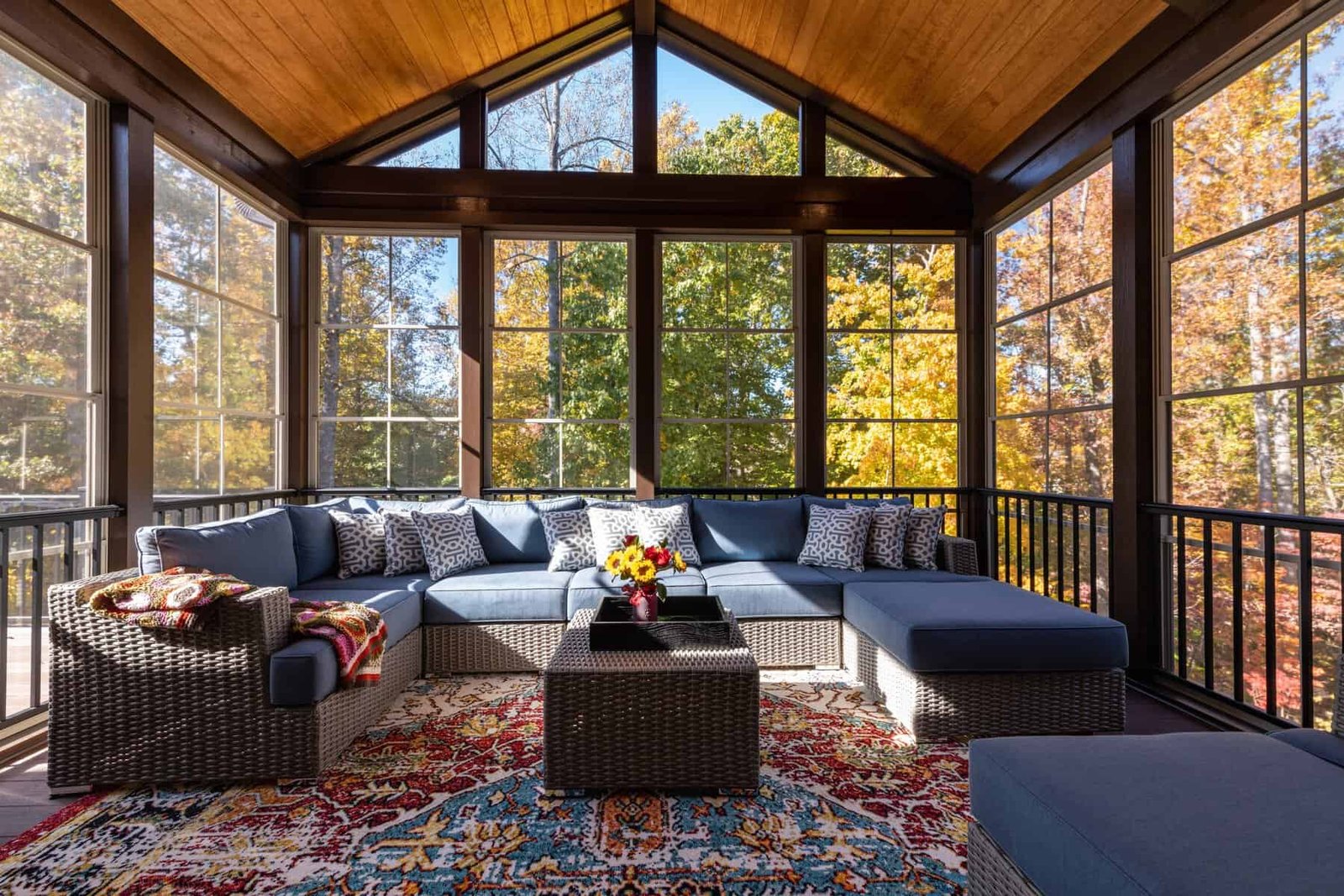
Embracing the Latest Interior Design Trends in 2026
The trend of ultra-sterile interiors and all-white spaces is fading away as homeowners in 2026 focus on warmth, comfort, sustainability, and personality. From furniture choices to floor plans, people are now designing homes that feel welcoming and lived in, rather than perfectly staged.
Whether you’re renovating a condo in Seattle, WA or updating a family home in Austin, TX, the current design direction is all about creating spaces that exude a sense of coziness and individuality.
Key Interior Design Trends in 2026
1. Embracing Warm, Earthy Color Palettes
Gone are the days of stark white interiors. Homeowners are now leaning towards softer, grounded tones like clay, sand, olive green, and terracotta to create a more relaxed and natural feel in their living spaces.
According to global real estate advisor Roh Habibi, the shift towards warmer color palettes reflects a desire for spaces with depth and character, moving away from the cold minimalism of the past decade.
2. Curved Furniture Takes Center Stage
Sharp lines are being replaced by softer shapes in modern homes. Curved sofas, rounded coffee tables, and sculptural accent chairs are becoming popular choices as they create a more inviting and relaxed atmosphere.
Mirko Humbert notes that the focus on organic design is driving the popularity of curved furnishings, blending deep greens and earthy textures with indoor planting and natural materials.
3. Biophilic Design Continues to Thrive
Homeowners are incorporating natural elements like light, organic textures, stone surfaces, and indoor trees to bring the outdoors inside. Sustainability and functionality play a significant role in this trend, with a focus on recycled materials and nature-inspired palettes.
As energy-efficient and wellness-focused living gain momentum, biophilic design is expected to remain a staple in interior design well beyond 2026.
4. Defined Rooms Make a Comeback
After years of open-concept layouts, homeowners are rediscovering the value of defined spaces for various activities. Libraries, sitting rooms, and dining rooms are making a return as people seek privacy and functionality in their homes.
This shift is driven by the changing needs of modern living, including remote work and multi-generational living arrangements.
5. Vintage-Inspired and Layered Interiors
Layered interiors with a mix of vintage and modern décor are becoming more popular as homeowners aim for a curated, personalized look. Antique lighting, vintage rugs, and handcrafted items add character and authenticity to living spaces.
Richie David highlights the shift towards warmer, more personal homes that feel lived-in and intentionally layered, moving away from the overly minimalistic approach of previous years.
6. Textures Add Depth and Warmth
Texture plays a significant role in creating warmth and visual interest in home design. Layering materials like linen upholstery with dark wood accents or bouclé seating with stone surfaces adds dimension and coziness to living spaces.
7. Sustainability Shapes Material Choices
Eco-conscious design is on the rise, with homeowners opting for responsibly sourced materials and sustainable choices. Reclaimed wood, recycled-glass tiles, and bio-based fabrics are among the popular options for creating environmentally friendly interiors.
8. Smaller, Smarter Kitchens
Practicality takes precedence in kitchen design, with a focus on storage and usability. Hidden prep areas, integrated storage solutions, and scullery kitchens are becoming more desirable, even in luxury homes.
9. Comfort Over Perfection
Comfort and authenticity are key priorities for homeowners in 2026. Plush seating, softer lighting, and meaningful décor are valued over perfectly styled interiors, creating spaces that feel lived-in and uniquely personal.
In conclusion, the interior design trends of 2026 revolve around creating spaces that are personal, functional, and inviting. By incorporating warm tones, natural materials, and sustainable choices, homeowners are crafting interiors that reflect their individuality and support their lifestyle.