
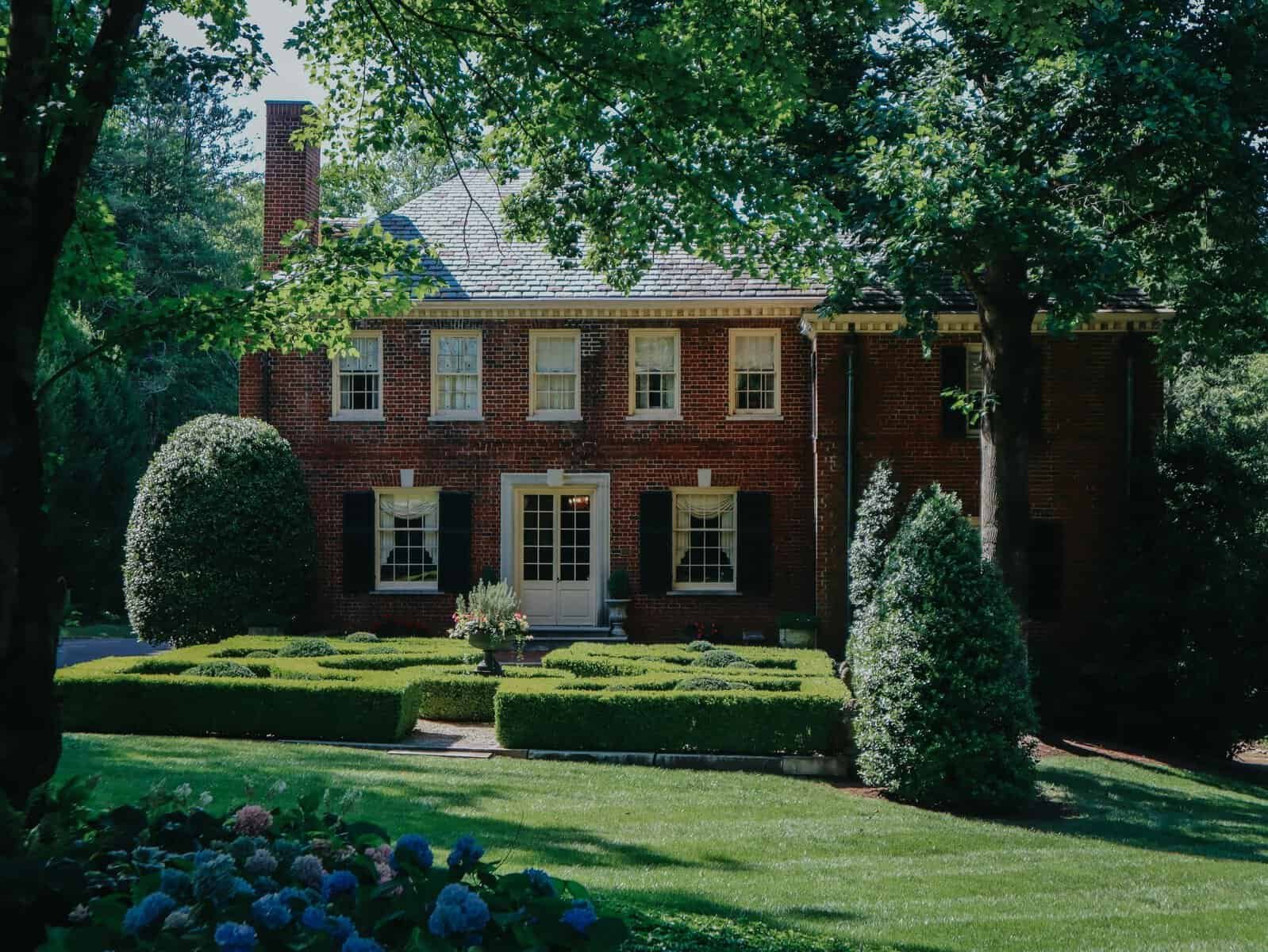
Historic homes have a unique charm and character that is hard to replicate in modern construction. Understanding the different types of historic homes can help buyers and homeowners appreciate the architectural details and design elements that define each style, leading to more informed decisions when buying or renovating.
In this article, we will explore the most common types of historic homes, their unique features, and ways to preserve their original character. Whether you are restoring a historic property in Charleston, SC, or maintaining a classic home in Philadelphia, PA, these insights can be valuable for homeowners across different regions.
In this article:
Why historic homes still matter today
What makes a house “historic”
Common types of historic homes and their defining features
Preserving character while living in a historic home
The philosophy of stewardship in historic homeownership
FAQs: Types of historic homes
Why historic homes still matter today
Historic homes hold value not just for their beauty, but for the craftsmanship, permanence, and connection to the past that they represent. In a world focused on speed and efficiency, these homes stand out for their attention to detail, quality materials, and the sense of identity they provide. They offer a piece of history and a sense of place that is irreplaceable.
“We value old buildings not because they are historic, but because they cannot be replaced,” says Joe Copley at Old Houses. “It’s no good simply reproducing beloved styles or materials from our past, for that is to look backward. Buildings that are really beautiful – and stay that way – look forward, far into the future. We’ve almost forgotten how to build with that kind of vision. Until we remember, our remaining pre-WWII buildings are all we’ve got.”
Preservation of historic homes is crucial to ensure that future generations can experience the character and craftsmanship that define these unique spaces.
What makes a house “historic”
A home is considered “historic” when it reflects a specific period, architectural style, or cultural significance that has been preserved over time. While some homes receive official designation, others are valued for their character and original features even without formal recognition.
It’s important to note that a home does not need to be listed on a preservation registry to be considered historic. Many properties retain their value through their design, craftsmanship, and connection to the past, making preservation essential regardless of formal designation.
Here are some factors that define a historic home:
- Age and era: Many historic homes were built before World War II, with specific age thresholds varying based on local guidelines.
- Architectural significance: Homes representing distinct styles such as Victorian, Colonial, or Craftsman qualify due to their design and craftsmanship.
- Original materials and features: Elements like hardwood floors, detailed moldings, original windows, and built-ins contribute to a home’s character.
- Cultural or historical importance: Some homes are tied to notable events, time periods, or local history, adding to their significance.
- Location within a historic district: Homes in designated historic neighborhoods may be subject to preservation guidelines to maintain the area’s character.
Common types of historic homes and their defining features
Historic homes encompass various architectural styles, each influenced by the time period, materials, and cultural context of its era.
Victorian homes
Victorian homes are known for their ornate detailing and elaborate designs, showcasing craftsmanship and individuality. Built during the Victorian era (1837–1901), these homes exude decorative flair and character.
Key features of Victorian homes include:
- Asymmetrical facades and complex layouts.
- Steeply pitched roofs with multiple gables.
- Bay windows and tall, narrow windows.
- Decorative woodwork such as “gingerbread” trim.
- Bold exterior colors and intricate detailing.
- Wraparound or prominent front porches.
Craftsman homes
Craftsman homes, emerging from the Arts and Crafts movement (1900–1940), emphasize simplicity, functionality, and handcrafted details. These homes focus on natural materials and quality workmanship over ornate designs.
Key features of Craftsman homes include:
- Low-pitched gabled roofs with wide overhanging eaves.
- Exposed roof rafters and decorative brackets.
- Covered front porches with tapered columns.
- Built-in furniture like bookshelves and cabinetry.
- Open floor plans with connected living spaces.
- Natural materials such as wood, stone, and brick.
Colonial homes
Colonial homes, inspired by early American architecture from the 1600s to the 1800s, prioritize symmetry, simplicity, and formal design. These homes reflect European influences brought by settlers, emphasizing balance and proportion.
Key features of Colonial homes include:
- Symmetrical facades with evenly spaced windows.
- A centered front door with columns or decorative trim.
- Rectangular, box-like shape with a simple roofline.
- Two or more stories with defined rooms.
- Brick or wood siding depending on the region.
- Fireplaces in central or end-wall positions.
Mid-century homes
Mid-century homes, known for their clean lines and functional design, emerged between the 1940s and 1960s. Influenced by modernist principles, these homes prioritize simplicity, open space, and integration with the outdoors.
Key features of Mid-century homes include:
- Flat or low-pitched roofs with wide overhangs.
- Large windows including floor-to-ceiling glass and sliding doors.
- Open floor plans with minimal interior walls.
- Integration with nature through patios, courtyards, or indoor-outdoor spaces.
- Natural and industrial materials like wood, glass, and steel.
- Clean lines with minimal ornamentation.
Other historic house styles
In addition to Victorian, Craftsman, Colonial, and Mid-century homes, various other architectural styles have shaped neighborhoods across the U.S.
Other common historic house styles include:
- Tudor: Known for steeply pitched roofs, half-timbering, and tall windows.
- Cape Cod: Simple, symmetrical homes with steep roofs and central chimneys.
- Spanish Colonial: Characterized by stucco exteriors, red tile roofs, and courtyards.
- Art Deco: Geometric patterns, bold lines, and decorative detailing from the 1920s and 1930s.
- Greek Revival: Inspired by classical architecture with columns and symmetrical facades.
- Italianate: Tall windows, ornate detailing, and low-pitched roofs.
Preserving character while living in a historic home
Living in a historic home involves finding a balance between modern comfort and original character. While updates are necessary to accommodate modern lifestyles, careful decisions can ensure that the unique features of the home are not lost.
“One motivation for buying a historic home is the storytelling inherent in an old house. It’s incredible to imagine walking on the same floorboards as those who lived there centuries ago,” says Cristiana Peña, director of social media for CIRCA Old Houses. “As you consider updates to make the home comfortable for your family, remember the guiding principle: which features define this home’s character and should be preserved, and what changes can be made to leave your mark?”
To maintain this balance, homeowners often follow these principles:
- Identify defining features: Take note of original elements like moldings, flooring, windows, and layout before making changes.
- Prioritize restoration over replacement: Repair and preserve original materials whenever possible instead of replacing them.
- Make updates thoughtfully: Modernize kitchens, bathrooms, and systems without compromising the home’s architectural integrity.
- Choose period-appropriate design: Select finishes and materials that complement the home’s original style.
- Keep changes reversible: Allow for changes that can be undone in the future to restore original features.
Before embarking on renovations or preservation projects, homeowners often assess their budget using tools like a home affordability calculator to understand their financial limits.
The philosophy of stewardship in historic homeownership
Owning a historic home goes beyond personal enjoyment to focus on preserving it for future generations. These homes have witnessed generations of change, with each homeowner becoming part of a larger story. This perspective shifts the focus from personalization to long-term care and preservation of the home’s integrity.
“No matter how long you plan to live in a historic home, your time there is short compared to the home’s lifespan,” says David Kramer, founder of The Craftsman Bungalow. “Whether you personalize it or not, consider the generations the home has sheltered in the past. A home’s ability to endure is fulfilling, and staying true to its character makes it more meaningful even after you’re gone.”
FAQs: Types of historic homes
How do I know if my home is considered historic?
A home may be deemed historic if it is officially designated by a local historic registry or located in a historic district. Even without formal recognition, a home can possess “historic character” based on age, architecture, and original features. Local preservation offices can confirm a home’s status.
Can you renovate a historic home?
Renovating a historic home is possible but may require adherence to specific guidelines, especially in protected or historic districts. The goal is typically to maintain the home’s original character while making necessary updates for modern living.
Are historic homes more expensive to maintain?
Maintaining historic homes can be costly depending on their age, condition, and materials. Older systems and specialty materials may require skilled craftsmanship and frequent repairs. However, many homeowners find the investment worthwhile for the home’s character and long-term value.
Are there restrictions when owning a historic home?
Certain properties, especially those in historic districts, may have restrictions on exterior changes to preserve the neighborhood’s architectural