
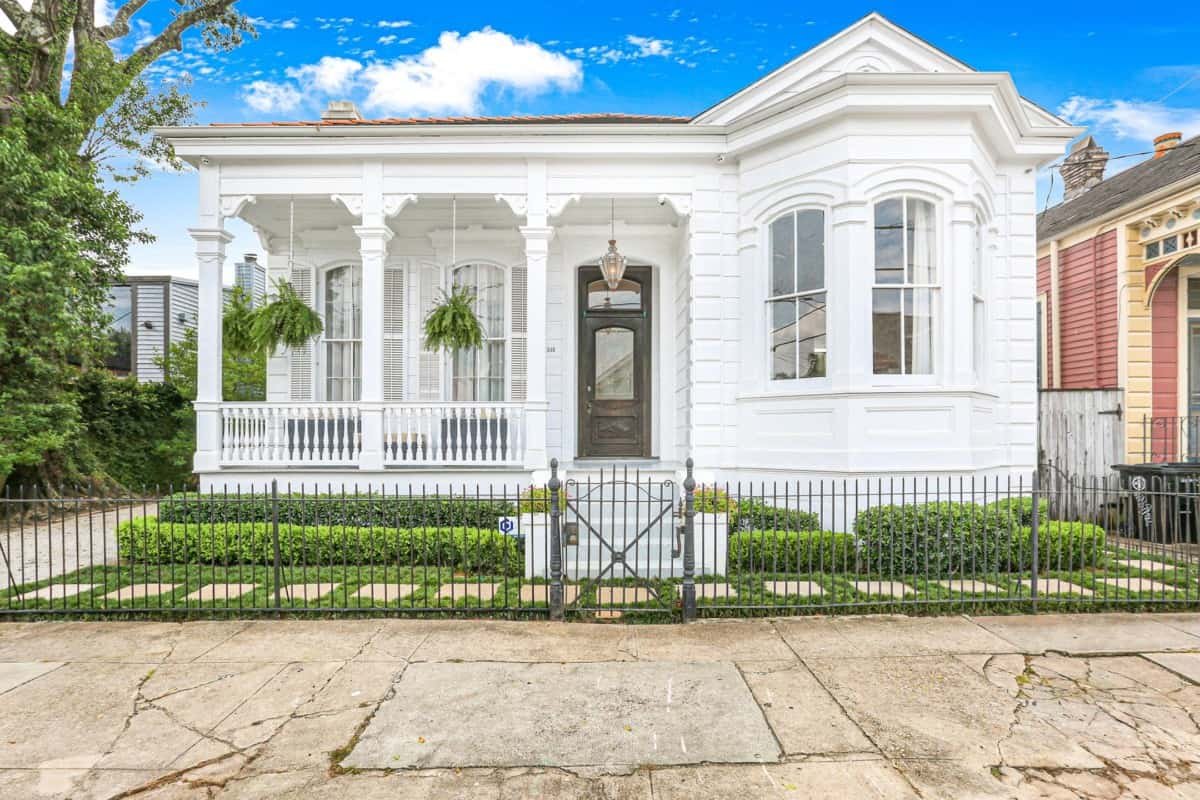
Owning a historic home presents a distinctive opportunity to possess a piece of history, imbued with character, craftsmanship, and architectural intricacies not commonly found in newer constructions. However, along with this charm comes a unique set of responsibilities, from comprehending original materials to planning for ongoing maintenance. For many buyers, the essence lies in learning how to conserve what makes the home special while adapting it for modern living.
In this article, we will delve into what you should know before purchasing a historic home and how to safeguard its defining features for the years ahead. From navigating local regulations in Alexandria, VA, to restoring original elements in New Orleans, LA, these expert-backed insights will assist homeowners in making thoughtful, informed decisions.
In this article:
What qualifies as a historic home?
What to consider before buying a historic home
6 tips for preserving a historic home
Final thoughts: Embrace stewardship, not just ownership
FAQs: Buying and preserving a historic home
What qualifies as a historic home?
A historic home is typically defined as a property that is at least 50 years old and possesses notable architectural, cultural, or historical significance. Simply being old is not always sufficient – many formal designations also require the preservation of the home’s original character and integrity. These homes often showcase original materials, craftsmanship, and design elements that reflect a specific era or style – such as Victorian, Craftsman, or Colonial architecture.
Some historic homes are situated within designated historic districts or are listed on preservation registers. While this recognition may offer advantages like potential tax incentives or grants, it may also come with restrictions on what modifications you can (and cannot) make – particularly if local preservation ordinances are applicable or if the property is subject to specific agreements or funding conditions.
Here’s what typically designates a home as “historic”:
- Age. Most historic homes are at least 50 years old, though some designations may require an even older age.
- Architectural significance. The home reflects a specific style, construction method, or notable design trend.
- Historical importance. It may be associated with a significant event, time period, or individual.
- Level of preservation. Key original features – such as windows, woodwork, or layout – are still intact.
What are historic districts?
Historic districts are areas acknowledged for their collective historical or architectural importance, rather than a single property. These neighborhoods often include multiple homes or buildings that share a common style, era, or cultural significance.
Residing in a historic district may entail additional guidelines – especially for exterior alterations – to aid in preserving the overall character of the area. While this may limit certain renovations, it also helps retain the neighborhood’s historic charm and could contribute to long-term property value stability, depending on the market and local policies.
Here are a few renowned examples of historic districts:
- Georgetown Historic District in Washington, DC. Recognized for its Federal-style rowhouses and cobblestone streets.
- French Quarter in New Orleans, LA. Celebrated for its Spanish and French colonial architecture and vibrant cultural history.
- Savannah Historic District in Savannah, GA. Noted for its preserved grid layout, public squares, and antebellum homes.
What to consider before buying a historic home
Purchasing a historic home entails unique considerations that go beyond the standard home buying process. From preservation guidelines to long-term maintenance, it’s crucial to comprehend both the obligations and benefits before making a decision.
1. Grasp the home’s story and structure
Before making an offer, take the time to grasp both the history and physical condition of the home. Historic properties are defined by their craftsmanship, materials, and architectural intent – thus, knowing what’s original (and worth preserving) can help steer smarter decisions from the outset.
“Purchasing a historic home involves understanding its narrative as much as its structure, always prioritizing the retention of original features and collaborating with specialists who respect the building’s heritage,” states Nick Cryer, founder of Berkeley Place. “Sensible restoration, rather than complete replacement, not only conserves character but often delivers greater long-term value.”
- Research the home’s background. Investigate when it was constructed, past owners, and any historical significance.
- Identify original features. Elements like woodwork, windows, flooring, and layout often define the home’s character.
- Evaluate structural condition. Pay close attention to the foundation, roof, and major systems to understand potential repair needs.
- Document alterations. Previous renovations can impact both value and future restoration plans.
2. Be ready for financing, insurance, and regulations
Financing and insuring a historic home may differ from a standard purchase, particularly if the property necessitates repairs or falls within a designated historic district. Lenders and insurers might scrutinize the home’s condition, materials, and replacement costs more closely, impacting your choices and overall budget.
- Explore loan options in advance. Some buyers opt for conventional financing, while others may consider programs like an FHA loan. For homes requiring significant repairs, FHA 203(k) loans are often utilized, as they enable buyers to finance both the purchase and renovation costs within a single mortgage.
- Anticipate heightened insurance considerations. Older materials and specialized craftsmanship can raise the cost of repairs or rebuilding, potentially increasing premiums.
- Comprehend local regulations. Historic designations – whether local, state, or federal – may come with renovation guidelines, especially for exterior modifications.
- Explore incentives. Some areas provide tax credits, grants, or financial programs to assist in offsetting the cost of preserving historic properties. Note that federal tax credits typically apply to income-producing properties, while incentives for owner-occupied homes are more frequently available at the state or local level.
- Understand approval timelines. In certain cases, renovations to historic homes may necessitate review by a local historic preservation board or similar authority. This process can add time to your project, particularly for exterior modifications or structural updates, so it’s crucial to plan accordingly and factor potential delays into your timeline.
3. Always prioritize a specialized inspection
Historic homes often harbor layers of history – some visible and some concealed behind walls, floors, and prior renovations. This is why a standard home inspection may not suffice to fully comprehend the property’s condition or foresee future repairs.
A comprehensive, experienced inspection aids in understanding what you’re acquiring beyond surface-level allure and ensures you’re prepared for both immediate and long-term maintenance requirements.
- Engage an inspector experienced with historic homes. They will be more acquainted with older construction methods and materials.
- Scan for outdated systems. Electrical, plumbing, roofing, and HVAC systems may not meet modern standards.
- Check for concealed structural issues. Foundation settling, moisture damage, or previous “quick fixes” are common in older homes.
- Assess materials meticulously. Elements like plaster, knob-and-tube wiring, or original windows may necessitate specialized repair rather than replacement.
4. Anticipate ongoing maintenance costs
Owning a historic home means acknowledging that maintenance is not a one-time endeavor – it’s an ongoing commitment. Due to many of these homes being constructed with older materials and techniques, upkeep often necessitates more frequent attention and specialized care compared to newer constructions.
- Allocate for continuous upkeep. Routine repairs are integral to preserving the home’s character and preventing major issues in the future.
- Plan for specialized labor and materials. Matching original finishes or restoring historic features may require skilled artisans and custom sourcing.
- Emphasize preventative care. Regular maintenance of roofs, gutters, windows, and exterior materials aids in avoiding costly structural damage.
- Expect variability in costs. Some years may entail minimal repairs, while others may necessitate more significant investments depending on the home’s condition.
5. Be mindful of common issues in older homes
Historic homes often harbor concealed challenges that are not always apparent during a standard walkthrough. Recognizing these common issues in advance can aid in planning for repairs, budgeting more accurately, and avoiding surprises post-closing.
- Scan for potential safety hazards. Homes constructed before 1978 may contain lead-based paint, and certain materials – such as insulation or flooring – may incorporate asbestos necessitating specialized handling.
- Check for outdated electrical systems. Knob-and-tube wiring or older panels may not meet contemporary safety standards and can impact both insurance and financing.
- Evaluate plumbing and sewer systems. Older homes may possess galvanized pipes or aging sewer lines susceptible to corrosion, leaks, or root intrusion.
- Anticipate energy inefficiencies. Historic homes were not constructed with modern insulation standards, leading to drafts, higher utility bills, and inconsistent heating or cooling.
6 tips for preserving a historic home
Preserving a historic home necessitates thoughtful care, consistent maintenance, and an appreciation for the craftsmanship that renders it unique. While these homes often demand more attention