
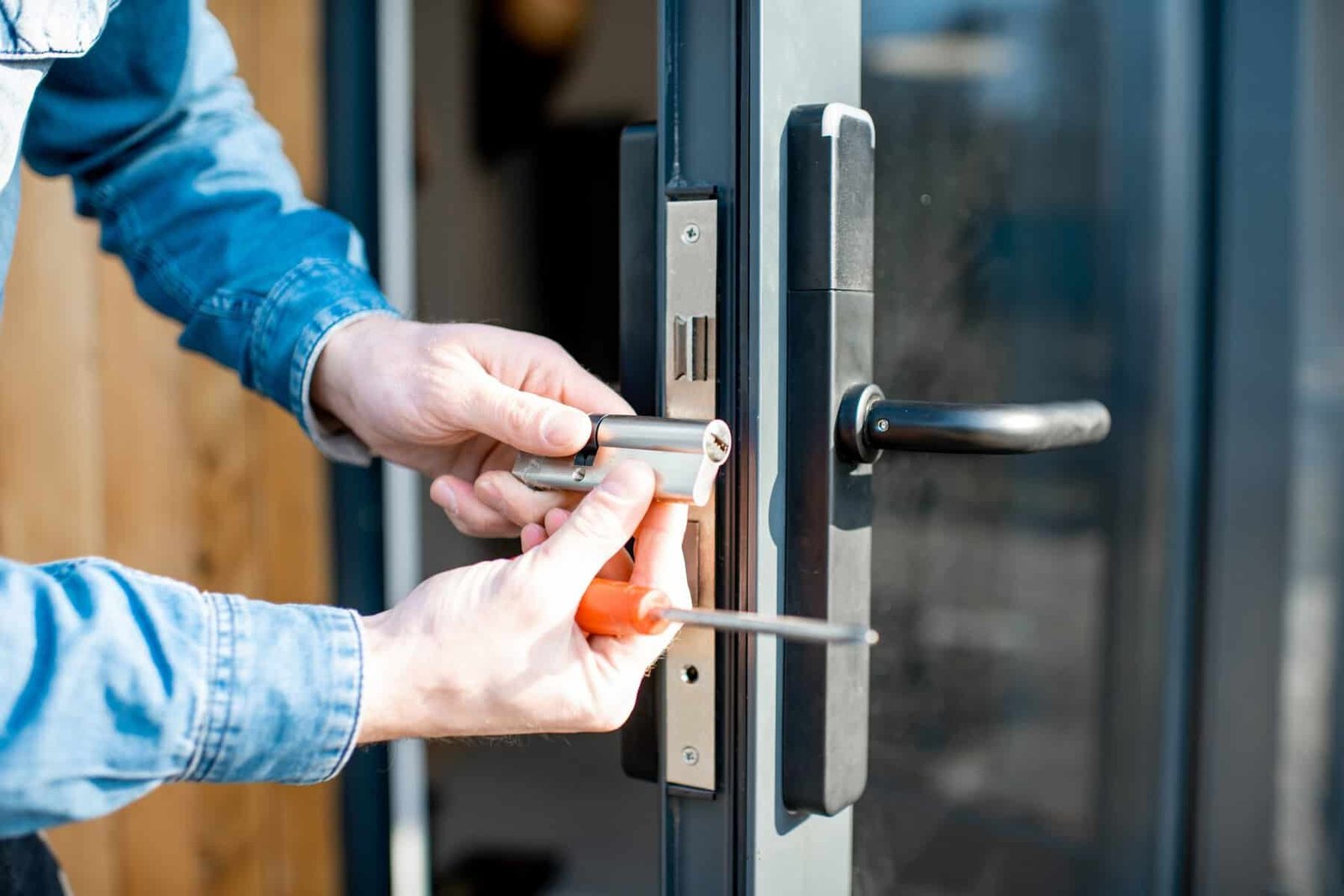
If you find yourself locked out of your home in Phoenix, AZ or need to upgrade your smart locks in your apartment in Chicago, IL, there are various situations where contacting a locksmith becomes essential. Apart from emergency lockouts, many homeowners now seek locksmith services for rekeying, broken locks, lost keys, and home security upgrades as smart technology and high-security systems become more prevalent.
Knowing the common reasons why homeowners reach out to locksmiths can help you act promptly, reduce additional stress, and make well-informed decisions about safeguarding your property. From rekeying after moving in to installing smart locks, here’s what homeowners should understand about when to contact a locksmith and what to anticipate during the service call.
1. You’re locked out of your home
One of the most common reasons homeowners contact a locksmith is due to a home lockout. It can happen unexpectedly – a busy morning, a malfunctioning smart lock, or a door that closes behind you accidentally.
Professional locksmiths are trained to regain access with minimal damage to your locks or door hardware. In many instances, they can assist you in getting back inside within minutes. “Homeowners most frequently reach out to us for locksmith services in case of a lockout, lost keys, broken locks, rekeying after moving, or enhancing their home security,” says David Aharon, Head Locksmith at Safety Locksmith & Hardware.
Lockouts have become more complex as more homeowners rely on keypad entry systems, Wi-Fi-enabled locks, and app-controlled devices. Sometimes the issue isn’t the lock itself, but a dead battery, connectivity problem, or software malfunction.
“During a service call, we’ll arrive promptly, evaluate the lock, and help you regain entry or secure without causing damage,” shares Edmonton Locksmith. During a lockout service call, most locksmiths will first verify ownership or residency before working on the door. Following that, they’ll assess the type of lock and determine the safest method for entry.
2. You lost your keys or they were stolen
Losing your house keys is already stressful. However, if your keys were stolen – particularly alongside your wallet or identifying information – changing or rekeying your locks becomes a safety concern.
Many homeowners assume they need a complete lock replacement, but that’s often unnecessary.
“One thing homeowners don’t always anticipate is that a simple rekey is often all that’s necessary instead of a full lock replacement, which saves both time and money,” explains Sam Wilson, President of 1-800-Unlocks and an ALOA member.
Rekeying changes the internal pins inside the lock so old keys no longer function, while allowing you to retain the existing hardware. It’s usually quicker and more cost-effective than installing entirely new locks. For homeowners managing multiple spare keys, this can also be an opportunity to simplify access by having several locks keyed alike so one key works throughout the house.
3. You recently moved into a new home
Moving into a new property is another common reason homeowners reach out to a locksmith, and for good reason. Previous homeowners, contractors, cleaners, neighbors, or tenants may still possess copies of the old keys.
“If you’ve just moved in, rekeying should be one of your top priorities – you never truly know how many copies of the old key are floating around out there,” says Wilson. Many security experts recommend rekeying exterior doors shortly after closing on a home. It’s a relatively small investment that can offer significant peace of mind, especially for first-time homeowners unfamiliar with the property’s history.
Dr. Joshua Kaluba, Founder of Examify, points out that move-in service calls are extremely common. “Homeowners most frequently contact a locksmith after a lockout, lost keys, moving into a new home, broken hardware, or when they want to enhance their home security,” he says. In many cases, locksmiths can perform rekeying, lock inspections, and hardware upgrades in the same visit.
4. Your locks are broken or worn out
Locks undergo wear and tear over time, particularly on frequently used doors. Difficulty turning the key, sticking deadbolts, loose handles, or rusted hardware are all indicators that your lock may require professional attention. Ignoring these warning signs can eventually leave you locked out or susceptible to break-ins.
“The most common reasons homeowners contact a locksmith are lockouts, rekeying after a move or tenant change, broken or worn-out locks, and lost or stolen keys,” says Wilson. A locksmith will typically examine the condition of the lock, door alignment, strike plate, and surrounding hardware before recommending a repair or replacement.
“During a service call, a locksmith will typically inspect the lock or door hardware, determine the best solution, and explain whether rekeying, repair, replacement, or an upgrade is the most suitable option,” explains Dr. Kaluba. In many scenarios, homeowners are surprised to discover that the issue can be resolved without replacing the entire lock system.
5. You want to upgrade your home security
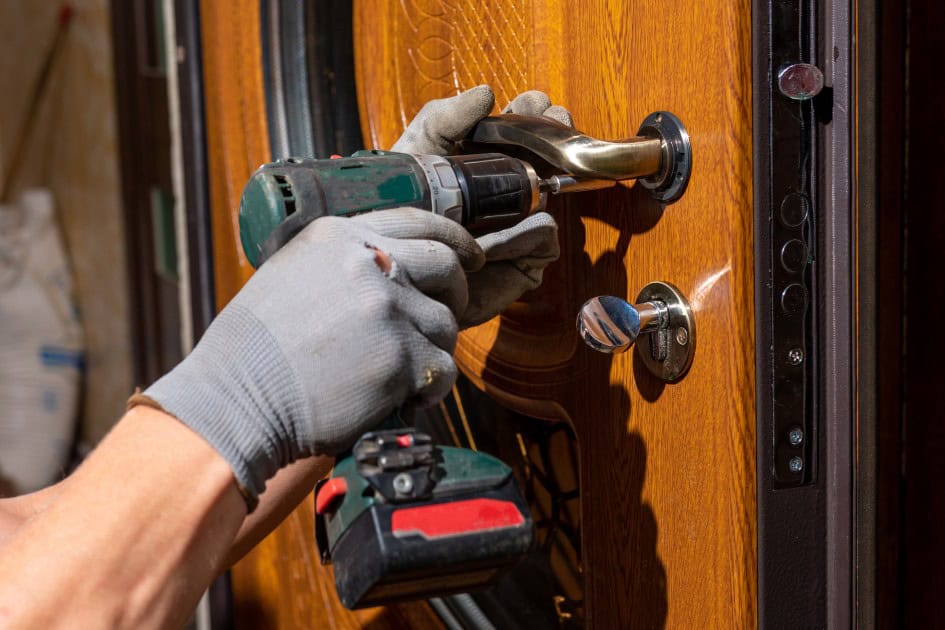
With the rise in package theft, property crime, and smart home adoption, more homeowners are proactively upgrading their locks rather than waiting for an issue to arise.
Modern locksmiths now commonly install:
- Smart locks with app access
- Keypad entry systems
- Video doorbell integrations
- High-security deadbolts
- Pick-resistant lock systems
“We also handle rekeying, key cutting, and security upgrades like deadbolts and smart locks on the spot,” notes Edmonton Locksmith. High-security lock systems have become especially popular in urban areas and multifamily buildings.
“As authorized Medeco and Mul-T-Lock dealers, we’ve seen these high-security key systems become the gold standard for homeowners seeking enhanced protection and peace of mind,” says Aharon. These systems are designed with stronger drill resistance, patented keyways, and restricted key duplication, making unauthorized copies much harder to create. Many locksmiths can also assess vulnerable entry points around the home and recommend practical upgrades based on your property layout and security concerns.
What happens during a locksmith service call?
If you’ve never enlisted the services of a locksmith before, the process is typically quite straightforward.
Most appointments typically involve:
- Verifying your identity or proof of residency
- Inspecting the lock or issue
- Explaining available solutions
- Providing upfront pricing
- Completing the repair, rekey, or installation
“In many cases, common issues such as unlocking a door, rekeying existing locks, or replacing a faulty lock can be addressed during the same visit,” says Dr. Kaluba. Many locksmiths now travel with mobile service vans equipped with common lock brands, smart lock systems, replacement cylinders, and key-cutting equipment, enabling them to handle most residential tasks onsite.
“Most service calls commence with a brief assessment at the door, and the majority of issues like lockouts, lock replacements, and even smart lock installations can be resolved on the spot in under an hour,” Wilson adds.
How to choose a reputable locksmith
Regrettably, locksmith scams have become more prevalent in recent years, particularly online where fake listings and deceptive pricing can target homeowners during emergencies.
Before scheduling service, homeowners should:
- Verify the locksmith is licensed and insured
- Read recent customer reviews
- Request upfront pricing
- Confirm the business address
- Avoid vague “starting at” quotes
- Ask for identification upon arrival
“What most individuals don’t consider until it’s too late is vetting the locksmith before their arrival,” cautions Wilson. “Always ensure they’re licensed, insured, and background-checked – and obtain pricing upfront before anyone works on your door.”
A reputable locksmith should be willing to explain your options clearly and help you feel well-informed throughout the process. “A professional locksmith should provide homeowners with information and confidence because these decisions ultimately involve safeguarding your loved ones and property,” says Aharon.
Whether you’re facing a lockout, replacing worn hardware, or upgrading your home security, understanding the common reasons homeowners contact a locksmith can make the process less daunting and assist you in safeguarding your home confidently.