
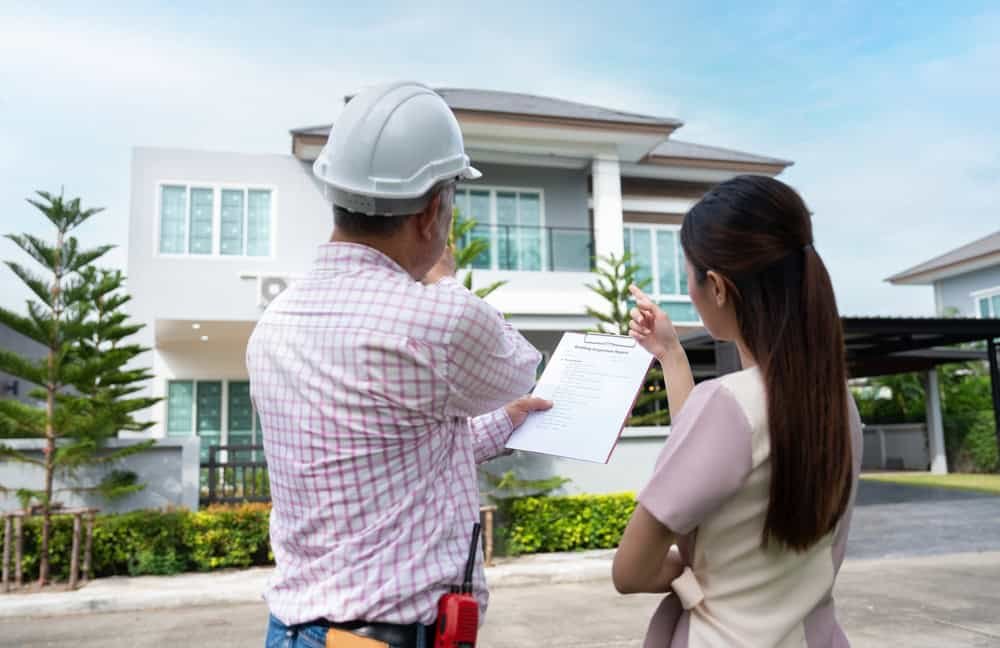
Investing in a home is a significant decision for any individual. As a first-time homebuyer, you may be considering the option of buying new construction instead of a starter home. Whether you’re interested in new construction in Boise, Idaho, or building a home in Miami, Florida, the experience of purchasing a new build can be different from buying an existing home. In this article, we will explore the process of new construction, including the advantages and disadvantages of buying a new build and the various financing options available.
Not all new construction purchases follow the same process. You may opt to buy a completed spec home, choose a home in a planned community, or even build a custom home on your own land. The timeline, customization options, financing, and responsibilities can vary depending on the route you choose.
Should You Build or Buy Your First Home?
When purchasing your first home, one common question is whether to build a new home or buy an existing one.
Existing homes are properties that are already owned and occupied before being listed on the market. While existing homes with similar features to new builds may be more cost-effective, they often require compromises and face competition from other buyers, especially in a competitive market.
On the other hand, a new construction home is a brand-new property where you’ll be the first owner. Depending on the situation, buyers may have the opportunity to personalize every detail of the home or choose from preselected features and designs.
For first-time homebuyers, new construction can offer customization and less competition from other buyers. However, the process may involve additional decisions, costs, and uncertainties that are not present when buying an existing home.
Questions to Ask Before Building or Buying Your First New Construction Home
Before making a decision to build or buy, consider your budget, the desired home features, and the location where you intend to purchase. Here are some questions to think about:
- How much home can you afford? Ensure that your budget covers the cost of purchase or construction, down payment, closing costs, and other related expenses while still allowing for ongoing homeownership costs.
- Which home features do you want? Finding desired features in an existing home may take time. Building a new home can offer the opportunity to incorporate those features into the design.
- Where do you want to live? Consider factors such as commute, amenities, and location importance. Buying an existing property may offer more flexibility in finding a home in your preferred area.
Advantages of Buying New Construction as a First-Time Homebuyer
Here are some benefits of building your first home:
- Customizable options: Buyers of fully custom homes have the freedom to choose various details, from home layout to electrical outlet locations. Semi-custom homes may offer a selection of choices, while spec homes are generally built without a specific buyer in mind.
- Different competition: The offer process for buying new construction can vary from buying an existing home based on the builder and community. Availability, pricing, incentives, and competition may differ in different developments and markets.
- New systems and materials: A new home comes with new major systems, appliances, and materials. Many builders also offer warranties that cover specific components of the home.
Drawbacks of Buying New Construction as a First-Time Homebuyer
There are also downsides to building your first home:
- Limited negotiation: Builders usually set pricing for their homes and communities, with limited opportunities for negotiation on certain terms, incentives, or features.
- Longer or less predictable timeline: Construction timelines can vary due to factors such as builder, permitting, weather, and materials. If purchasing a home still under construction, it’s wise to have flexibility in moving and closing plans in case of completion date changes.
How to Buy or Build New Construction as a First-Time Homebuyer
For first-time homebuyers looking to buy or build a new construction home, understanding the process is crucial. While steps may vary, here are key considerations:
1. Understand the Builder and Sales Process
Before visiting a new construction community, familiarize yourself with the roles of individuals involved. The builder’s sales representative works for the builder, while a buyer’s agent represents the buyer. Review the builder’s contract thoroughly before making any commitments.
“Many first-time buyers assume that buying new construction is straightforward because there’s no seller to negotiate with, but the builder is the seller, and their sales team represents them, not you,” says Gale Culver. “Before touring a community, consult your own agent to understand the full cost, timeline, contract terms, and negotiable aspects.”
2. Plan Your Budget
Prior to selecting a home, builder, or lot, ensure that you can afford the desired home. Review your monthly income and expenses to determine how much you can allocate towards housing. Your first home budget should encompass the down payment, closing costs, loan payments, and other expenses related to building and owning the property.
New construction often entails costs beyond the advertised price. Request a detailed breakdown from the builder of standard features, optional upgrades, and additional expenses that may arise after closing.
“Buyers frequently overlook expenses such as upgrades, landscaping, window treatments, and appliances that may not be included in the base price,” says Annette Yorks Group. “Prior to signing, request a comprehensive list of standard features versus upgrades and allocate extra funds in your budget for unexpected costs or choices. Landscaping is often excluded from the agreement, which can be a significant oversight. Change orders may also incur costs, so it’s essential to clarify this before signing.”
3. Research the Builder
Selecting a reputable builder is critical in the homebuilding process. Look beyond the model home and advertised features when evaluating your options. Research completed projects, read reviews, speak with previous buyers if possible, and review the builder’s warranty and construction practices.
“Choosing a builder requires research on past projects,” says Chris Paoli of The Agency Steamboat Springs. “Speak with previous customers and consider seeking the opinion of local home inspectors on the builder’s quality. Once you commit, it’s challenging to sever ties with your contractor. It’s advisable to be as involved as possible in your construction project to ensure cost-effectiveness and convenience.”
4. Work with Professionals
The professionals involved will vary depending on the type of new construction you’re purchasing. You may collaborate with:
- Real Estate Agent: Your real estate agent can help navigate the purchase agreement, communicate with the builder, and guide you through the process.
- Contractor: If building a custom home, a general contractor may oversee construction, coordinate workers and materials, and manage on-site work.
- Architect: For a custom build, an architect can assist in the initial design and planning, including layout, materials, and overall design.
Having your own representation can be beneficial when reviewing contracts and communicating with the builder.
“First-time buyers often assume that the on-site sales agent represents their best interests, but that agent strictly represents the builder,” says Carey Finn. “Having your own real estate agent from the beginning ensures you have an advocate negotiating contract terms, monitoring construction milestones, and safeguarding your earnest money. Completed target dates are estimates, and delays due to the supply chain or weather can push back closing dates significantly.”
5. Decide Which Upgrades are Worth It
One of the most significant decisions when buying or building a new home is determining which upgrades to include during construction. Consider the frequency of use for each feature, its impact on the home’s functionality, and the feasibility of making changes later on.
Structural changes and features requiring work behind walls are more practical to address during construction. Decorative finishes can often be altered after moving in.
“When constructing a home, clients often overlook the cumulative cost of luxury material add-ons,” says Austin Kutz of Compass and Key Group. “Many focus on smart features and aesthetics rather than square footage and room size, which can inflate costs without proportional value. Buyers of new homes often overlook common home maintenance planning, assuming that because the home is new, it won’t require maintenance, potentially leading to higher future expenses.”
Average Cost of Building a House
According to HomeAdvisor, the average cost of building a house in 2026 is $322,924, with buyers typically paying between $138,769 and $530,862. Construction materials, labor costs, interior and exterior finishes, site preparation, and room additions make up the bulk of the budget. Before commencing construction, you’ll need to purchase land if it’s not included with the project, with land prices varying based on size, location, and utility connections.
The total cost of a new home is influenced by factors such as house size and design, property specifics, labor and materials, and selections made during construction. Establishing your budget before selecting a floor plan can help determine which options are feasible for your project.
How to Finance a New Build as a First-Time Homebuyer
Your financing options depend on whether you’re purchasing a completed new construction home or financing a home still under construction.
Financing a Completed New Construction Home
If the home is built or will be completed before closing, you may be able to finance it with a traditional mortgage, similar to buying an existing home. Loan options will be determined by the property, lender, and your financial situation.
Financing a Home Under Construction
If you’re financing construction from scratch, you may require a loan specifically designed for the building process. Options include:
- Construction Loan: A short-term option for financing the construction of a new house, covering land costs, permits, labor, materials, appliances, and landscaping. The loan must be repaid or converted to a mortgage once construction is finished.
- Construction-to-Permanent Loan: Converts to a fixed- or adjustable-rate mortgage upon completion of construction. During construction, borrowers make interest-only payments, with the loan transitioning to a mortgage at project completion.
- Federal Housing Administration (FHA) Construction-to-Permanent Loan: Allows eligible borrowers to combine construction and permanent financing through a single mortgage closing before construction starts.
Qualifying for Construction Financing
- Requirements for construction financing vary by lender and loan program. Lenders may assess your credit history, income, debt-to-income ratio, down payment or equity, and details regarding the construction project. Information about the builder, plans, budget, and timeline may also be required.
How to Save Money When Building a House
Building a house can be costly, but there are ways to reduce expenses. Here are some common strategies to save money during the homebuilding process:
- Tackle DIY Projects: If you’re skilled in home improvement, consider handling some finishing work yourself, such as painting or landscaping.
- Leave Rooms Unfinished: Keeping certain areas unfinished, such as a basement or garage, can lower initial costs. You can complete these spaces later when your budget allows.
- Consider Alternative Homes: Alternative construction options like tiny or modular homes offer different approaches to cost and construction timelines.
- Choose a Stock Design: Opting for a stock plan instead of a custom home can be more budget-friendly. Some builders may allow limited modifications to stock plans.
FAQs About Purchasing a New Construction Home as a First-Time Homebuyer
Is It Cheaper to Build or Buy a House?
The cost-effectiveness of building versus buying a house depends on various factors, including location, home type, customization level, and size.
Is a Loan to Build a House the Same as a Mortgage?
A construction loan finances the building process before the home is complete, while a mortgage typically finances a finished property. Some construction-to-permanent loans combine both stages.
What Are the Biggest Costs When Building a House?
Major costs in a house construction project include land, labor, materials, site preparation, foundation, framing, and interior finishes. Costs vary based on factors like location, size, design, and customization level of the home.
Is New Construction Good for a First-Time Homebuyer?
New construction can be a suitable option for first-time homebuyers seeking a move-in-ready home with modern features and minimal immediate maintenance concerns. However, buyers should budget for upgrades and thoroughly understand the builder’s contract before committing.