
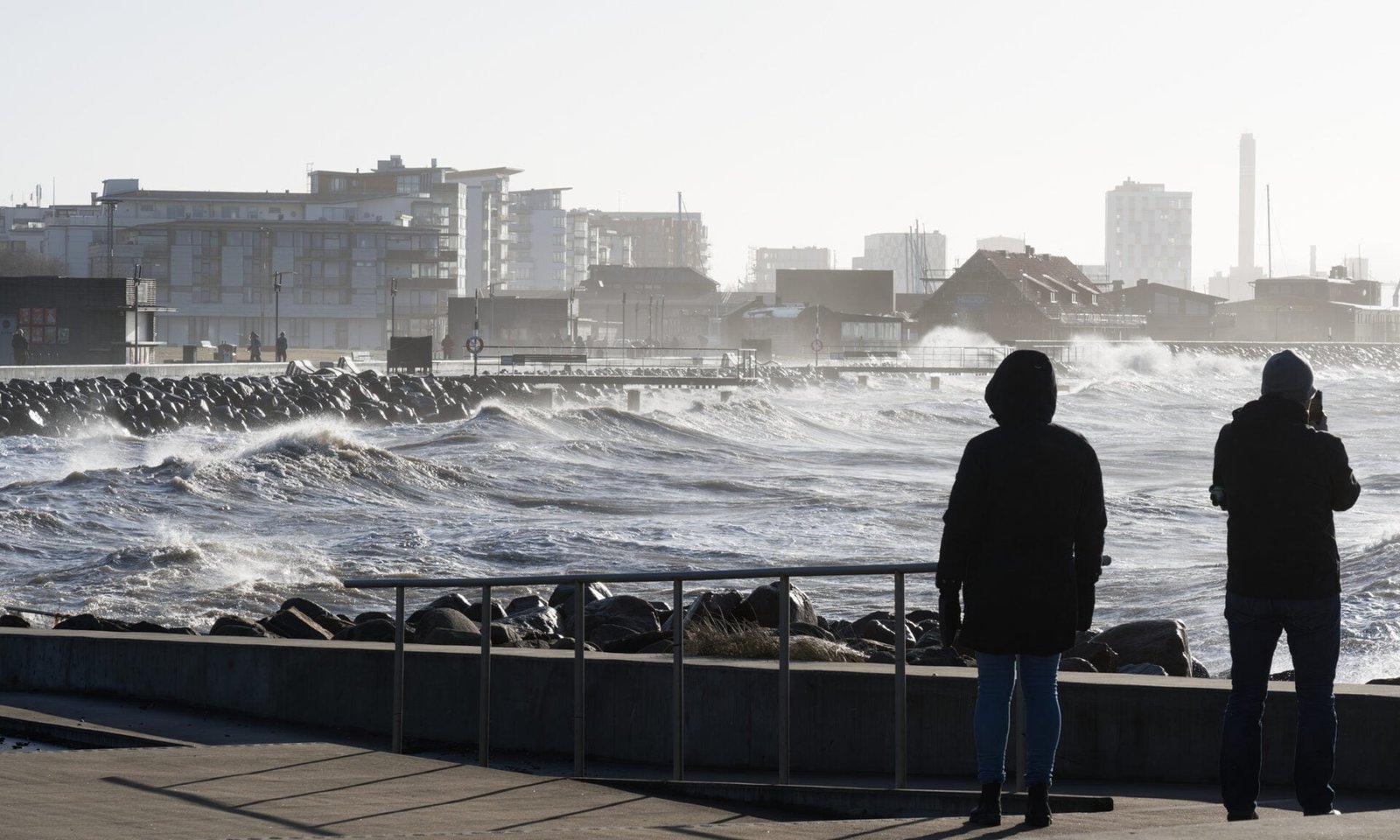
Living in Florida, I am aware that my travel plans during hurricane season may be impacted. However, regardless of where you reside, a hurricane could disrupt your planned travels. Therefore, it is important to understand how your travel insurance policy will protect you in such situations.
Here are some key points to consider when purchasing travel insurance for trips during hurricane season.
Hurricane season basics
When discussing hurricane season, the focus is usually on the Atlantic hurricane season, which spans from June 1 to November 30, with the peak occurring from mid-August to mid-October.
Storms are given names once they reach a certain threshold in sustained windspeed to make communication easier. The World Meteorological Organization (WMO) uses six lists of names, rotating them and starting each name with one of the 21 letters in the alphabet. Prior to the season, experts like the National Oceanic and Atmospheric Administration’s National Weather Service release predictions for the season, which can vary due to weather phenomena like El Niño or La Niña.
An average hurricane season consists of 14 named storms, seven hurricanes, and three major hurricanes. For 2026, NOAA has forecasted a below-normal season with expectations of eight to 14 named storms, three to six hurricanes, and one to three major hurricanes, largely due to a strong El Niño effect.
While storms can form and intensify in various locations, they often originate off the coast of Africa and travel across the Atlantic or develop and intensify in the Gulf. This means that regions in the Caribbean or along the Atlantic and Gulf coasts are susceptible to potential storm paths.
Despite a predicted less active season in 2026, a single storm has the potential to disrupt or cancel travel plans.
Not all travel insurance includes coverage for storms or weather disasters
Many comprehensive travel insurance policies, which go beyond medical coverage, encompass natural disasters and severe weather events. In such cases, a hurricane could trigger coverage for issues like cancellation, interruption, delay, missed connections, and other unforeseen circumstances.
However, the storm must reach a significant level to be classified as a natural disaster or cause substantial closures or damage for the coverage to apply. Standard rainstorms may not be covered.
For instance, my annual policy with Allianz includes hurricanes in its definitions of a natural disaster and severe weather. To assist in finding a policy with hurricane coverage, insurance aggregator SquareMouth offers a filter that displays only policies including such coverage. It’s important to note that SquareMouth does not work with all travel insurance providers, and there may be additional companies offering policies not listed.
Once a storm is named, you cannot buy insurance to cover your trip
If you are traveling to a location at risk of a hurricane and wish to have travel insurance coverage, it is crucial to purchase it promptly.
Once a storm is named, it is too late to acquire coverage as a named storm is a foreseeable event and is typically excluded from coverage. Travel insurance is designed to protect against unforeseen and unexpected events.
Therefore, travel insurance must be in effect at least 24 hours before the storm is named. This means that if you are planning a Caribbean getaway and a storm has already been named and is heading towards the islands, any insurance purchased at that point will not cover your trip.
However, it is advisable not to forego travel insurance entirely just because of a named storm. Last-minute policies would still cover medical emergencies and other unforeseen situations.
» Learn more: 11 credit cards that provide travel insurance
All is not lost if a storm changes or cancels your travel plans
If you have travel insurance and a named storm alters or cancels your plans, you may not lose the entire amount you paid.
Most insurance plans covering travel cancellation or delay include protection for severe weather and natural disasters. Your policy might also cover rebooking travel if an alternative route is available, such as through a different airport.
Nerdy tip: Travel insurance is not solely for destination coverage. A storm alert at your departure point could hinder your journey to a destination far from the storm zone. For instance, a storm approaching Florida could result in airport closures statewide, preventing travelers from reaching destinations unaffected by the storm.
To receive reimbursement for prepaid expenses, specific criteria must be met, such as a designated time frame for travel delays, your origin or destination being uninhabitable, your destination being under a hurricane warning, or being in a mandatory evacuation zone.
Watch the weather
While it may seem obvious, monitoring the weather during hurricane season travel is crucial.
Being aware of the forecast could help you determine whether to adjust your travel route or start your journey earlier to avoid a storm. For example, if your itinerary includes a layover in Miami and the city is in the storm’s path, changing your flight or connecting through a different airport may be possible.
However, if an airline issues a weather waiver before a storm, allowing you to change or cancel your plans without a penalty, you may not need to use your travel insurance in that case.
If a hurricane destroys your hotel before your visit, travel insurance will likely cover you
If you purchased travel insurance before a storm was named, and that storm causes the destruction of the hotel where you have a future reservation, your policy is likely to provide coverage.
For instance, according to Faye’s travel insurance plans, if your destination becomes uninhabitable due to a natural disaster like a hurricane, this is considered a valid reason for cancellation.
Cruise-specific travel insurance might cover missed ports and itinerary changes
The size and impact of hurricanes and named storms can vary, and cruise lines often adjust itineraries to avoid potential dangers rather than canceling a cruise altogether.
While many standard travel insurance policies may not offer reimbursement for cancellations due to itinerary changes, specific cruise insurance plans or add-ons could cover such situations.
For example, some of Tin Leg’s cruise-specific insurance options may cover travel inconveniences if your cruise ship skips a scheduled port of call because of a natural disaster or adverse weather conditions. It could also reimburse you for any prepaid and nonrefundable excursions you had booked.
Your policy might help you if you’re stuck after a storm
If you find yourself stranded in a location after a storm, the nonmedical evacuation coverage in your travel insurance policy might cover the costs of repatriation back to your home if the area becomes uninhabitable following a natural disaster such as a hurricane.
Cancellation may be covered if a storm makes your home uninhabitable
If you reside in an area affected by a named storm that renders your home uninhabitable, a travel insurance policy purchased before the storm could allow you to cancel your trip and receive reimbursement for any nonrefundable expenses.
Similarly, if your home is damaged by a named storm while you are on a covered trip, trip interruption coverage could assist in covering the costs of returning home and compensating for the unused portion of your trip.
Keep documentation
It’s always wise to retain receipts for prepaid and nonrefundable items related to your travel. In the case of hurricanes and named storms, it’s also crucial to keep documentation concerning storm alerts, warnings, cancellations, or evacuations, as well as documenting any property damage. This information will be necessary when filing a claim.
Frequently Asked Questions
What happens if my cruise is canceled because of a hurricane?
The answer depends on whether the cruise was canceled, you couldn’t reach the embarkation port due to a storm, or you chose not to go.
If the cruise was entirely canceled, the cruise line may provide compensation, such as a future cruise credit or refund.
If you were unable to reach the port due to a named storm like a hurricane, your travel insurance plan might cover your lost cruise if it was in effect before the storm was named.
If you simply decided not to go, travel insurance likely won’t cover the cancellation.
What happens if a hurricane cancels or delays my flight and I miss part of my trip?
If a natural disaster or severe weather causes a flight delay or cancellation that prevents you from reaching your destination, trip delay coverage in your travel insurance plan may reimburse you, as long as the policy was in place before the storm was named.
If a hurricane is coming and I have a trip planned, could I just buy a travel insurance policy then cancel my trip and get my money back?
No. given sentence in a different way:
Please rewrite the sentence in a new format. following sentence:
“The cat jumped onto the table and knocked over a vase.”
The cat leaped onto the table and caused a vase to fall over.