
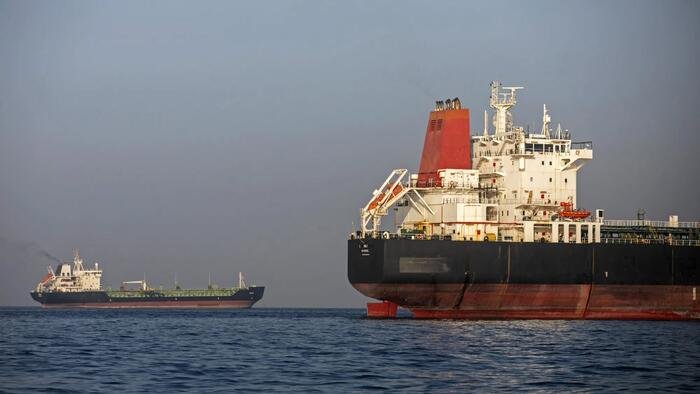
Small Group of Shipowners Brave the Strait of Hormuz During Conflict
Despite a significant decrease in daily traffic through the Hormuz Strait, recent reports from Bloomberg indicate that almost all large non-Iranian tankers that have entered the Persian Gulf during the conflict have managed to exit with their cargo. This highlights the emergence of a select group of shipowners who are willing to take the risk of crossing the volatile waterway.
Since March 1, at least 19 oil- and liquefied petroleum gas-carrying ships without ties to Iran have both entered and exited the Hormuz Strait, based on vessel-tracking data compiled by Bloomberg. In contrast, approximately 100 similar tankers that entered the Gulf before the conflict remain stranded due to the fear of attacks.

Despite the overall decrease in merchant shipping through the vital energy chokepoint, a handful of vessels have been able to navigate the strait through various arrangements, including government-level deals with payments in bitcoin. The actual number of ships stranded in the Gulf and those successfully crossing could be higher, as many vessels are turning off their satellite signals to avoid potential strikes.
Of the 19 ships that crossed, seven were associated with Greece’s Dynacom Tankers Management, a company known for continuing to use the strait even during the conflict. The cargoes carried by these vessels primarily originated from the United Arab Emirates and Iraq, with a few transporting oil from Saudi Arabia or a mix of oil from various Arab Gulf nations.
Only one large tanker that entered the Gulf post-conflict remains in the region, according to data analysis.
Although the number of crossings is significantly lower than pre-war levels, which accounted for a substantial portion of the world’s oil supply, the resilience of these shipowners in navigating the challenging waters of the Hormuz Strait is commendable.