
Close Menu
  • Home
  • Economic News
  • Stock Market
  • Real Estate
  • Crypto
  • Investment
  • Personal Finance
  • Retirement
  • Banking

Subscribe to Updates

Get the latest creative news from FooBar about art, design and business.

What's Hot

Metaplex Wants to Bring More Financial Assets to Solana—with Investor Checks Built In

October 1, 2026

NANO Nuclear Buys The One Thing You Can’t Speed Up: A Fuel-Cycle License

October 1, 2026

6 Tips to Improve Homebuyer Confidence

October 1, 2026
Facebook X (Twitter) Instagram
  • Contact Us
  • Privacy Policy
  • Terms Of Service
Thursday, October 1
Doorpickers
Facebook X (Twitter) Instagram
  • Home
  • Economic News
  • Stock Market
  • Real Estate
  • Crypto
  • Investment
  • Personal Finance
  • Retirement
  • Banking
Doorpickers
Home»Personal Finance»Looking Back at the Economic Aftershocks of 9/11
Personal Finance

Looking Back at the Economic Aftershocks of 9/11

September 9, 2026No Comments2 Mins Read
Facebook Twitter Pinterest LinkedIn Tumblr Email
Share
Facebook Twitter LinkedIn Pinterest Email

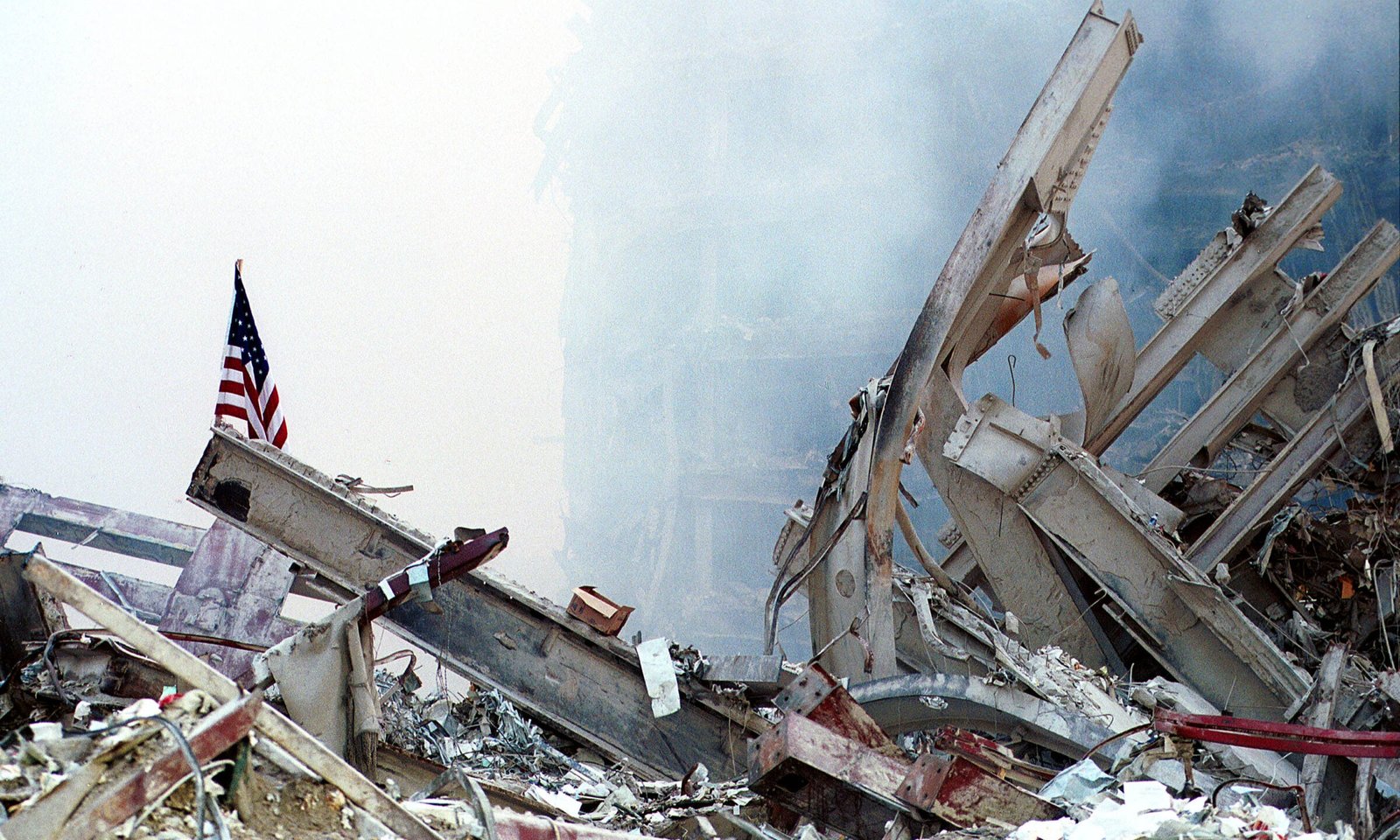
Twenty-five years ago Friday, the Sept. 11 terrorist attacks hit an economy already in recession. Beyond the devastating loss of nearly 3,000 lives, the attacks set off economic shocks that would reshape markets, industries, and government spending for years.

Some of the biggest economic effects of 9/11 include:
– The attacks hit an already-fragile economy: The dot-com bubble burst in 2000 and sent the economy into a recession before the 9/11 attacks, deepening that downturn. Consumer and business confidence plummeted in the weeks after the attacks.
– The stock market sank: The New York Stock Exchange closed for four trading days, and when it reopened, the Dow fell 7% in a single day. Less than a month later, stocks returned to pre-attack levels.
– The Fed sprung into action: The Federal Reserve injected cash into the financial system and made multiple rate cuts to stabilize markets.
– The air travel industry changed overnight: Airlines grounded commercial flights, leading to the collapse of the airline and travel industry. Congress passed the Air Transportation Safety and System Stabilization Act to provide aid to airlines.
– The government backstopped the insurance industry: Congress passed the Terrorism Risk Insurance Act to create a federal backstop for terrorism insurance.
– Homeland security spending ballooned: The attacks led to increased federal spending on homeland security, defense, and intelligence, coinciding with wars in Afghanistan and Iraq.

In hindsight, some of the biggest economic changes set in motion by 9/11 have become routine that we barely notice them. following sentence: “The cat chased the mouse around the house.”

“The mouse was chased around the house by the cat.”

Aftershocks Economic
Share. Facebook Twitter Pinterest LinkedIn Tumblr Email

Related Posts

Can Pretend Shopping Help You Spend Less?

October 1, 2026

A Slopeside Park City Resort You Can Book With Chase Points

September 30, 2026

Why Bilt’s New Launch Could Be the Most Rewarding Card to Rule Them All

September 30, 2026
Add A Comment
Leave A Reply Cancel Reply

Top Posts

5 of the most overlooked investments right now

August 21, 20252 Views

What to do if you lose your 401(k) employer match

August 12, 20255 Views

Richmond Neighborhood Guide: Where to Live in 2025

November 26, 202412 Views
Stay In Touch
  • Facebook
  • YouTube
  • TikTok
  • WhatsApp
  • Twitter
  • Instagram
Latest
Crypto

Metaplex Wants to Bring More Financial Assets to Solana—with Investor Checks Built In

October 1, 20260
Economic News

NANO Nuclear Buys The One Thing You Can’t Speed Up: A Fuel-Cycle License

October 1, 20260
Real Estate

6 Tips to Improve Homebuyer Confidence

October 1, 20260
Facebook X (Twitter) Instagram Pinterest
  • Contact Us
  • Privacy Policy
  • Terms Of Service
© 2026 doorpickers.com - All rights reserved

Type above and press Enter to search. Press Esc to cancel.