
Pimco Steps in to Provide $10 Billion in Private Placements to Gulf Borrowers Amid Iran War
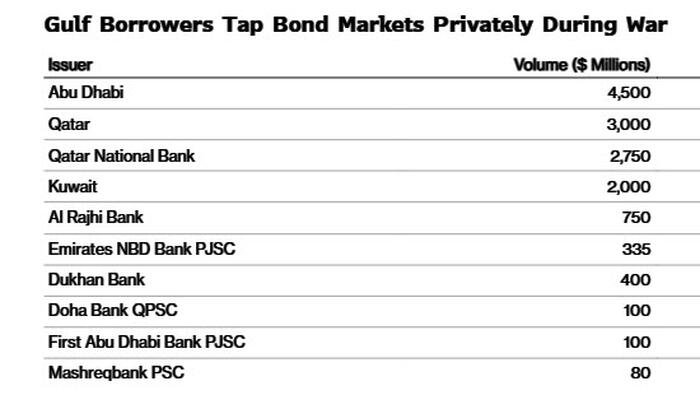
As the UAE seeks swap lines with the Fed due to a growing dollar shortage and the looming impact of the Iran war on neighboring economies, Bloomberg reports that Pacific Investment Management Co. (Pimco), the world’s largest bond manager, has lent over $10 billion to state-backed and government borrowers in the Gulf through private placements since the conflict began.
Pimco has been a major buyer of privately placed bonds issued by governments in Abu Dhabi, Qatar, and Kuwait, as well as Qatar National Bank, participating in placements that increased the size of existing Abu Dhabi bonds by $2.5 billion. In total, regional borrowers raised $13.8 billion in hard currency-denominated privately placed bonds from February to April, with Pimco leading the majority of the lending.
Private placements offer a faster borrowing option for issuers, albeit at a higher cost compared to public debt, providing more privacy and flexibility on deal terms. The coupon on Qatar’s privately placed bond was 4.8%, slightly higher than implied by the yield curve for public traded bonds, offering attractive returns for buyers like Pimco.
Ziad Daoud, chief emerging markets economist at Bloomberg Economics, noted that Gulf nations with strong balance sheets are turning to private borrowing amid geopolitical uncertainty, highlighting the appeal of faster, discreet financing over public issuance.
Pimco’s investment in Gulf bonds has been supported by its strategic presence in the region and its commitment to managing assets for Middle Eastern investors for over two decades. The fund intends to hold the bonds long term, reflecting its confidence in the region’s creditworthiness.
Despite the disruption caused by the conflict, Gulf bond markets have been active in recent years, with regional borrowers issuing substantial public debt. The closure of the Strait of Hormuz and the IMF’s downward revision of growth forecasts have added pressure on governments reliant on energy exports for revenue.
As Gulf states navigate economic challenges, the UAE’s informal inquiry about currency swap lines with the US signals a proactive approach to managing potential financial impacts. US Treasury Secretary Scott Bessent confirmed that several Gulf allies have requested swap lines with the US, indicating ongoing discussions to support regional financial stability.