
The Case Against Public-Sector Unions
Authored by Aaron White via RealClearPolicy
America’s public-sector unions are facing a significant challenge that they cannot ignore: workers are leaving in droves.
Many public employees are unaware of their union membership, as dues are automatically deducted from their paychecks without their explicit consent.
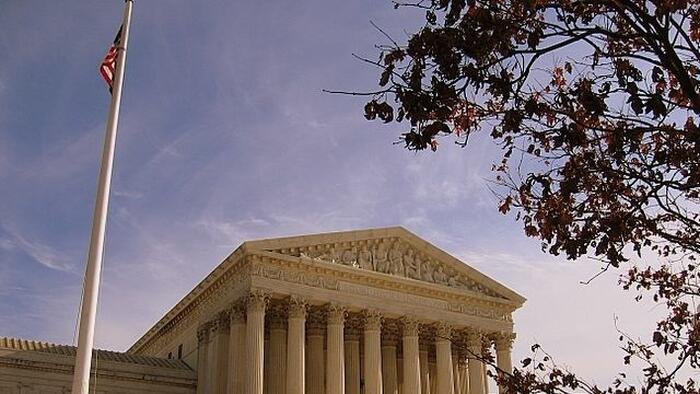
In 2018, the U.S. Supreme Court’s decision in Janus v. AFSCME reaffirmed that government employees cannot be compelled to join or financially support a labor union.
Following this ruling, hundreds of thousands of workers have opted out of their unions, exercising their First Amendment rights.
Public-sector unions have long operated on autopilot, collecting dues and engaging in political spending without actively seeking workers’ consent.
Efforts to prevent workers from opting out, such as passing laws that restrict outreach by organizations like the Freedom Foundation, are becoming more common in several states.
Reforms such as requiring annual re-enrollment, ending automatic payroll deductions for union dues, and mandating transparency in political spending are being resisted by unions seeking to maintain their power.
Unions that oppose these reforms are essentially admitting that their membership numbers are inflated and unsustainable without coercion.
The fight for worker freedom continues as organizations like the Freedom Foundation work to protect workers’ rights and ensure that individuals have a real choice in their union membership.