
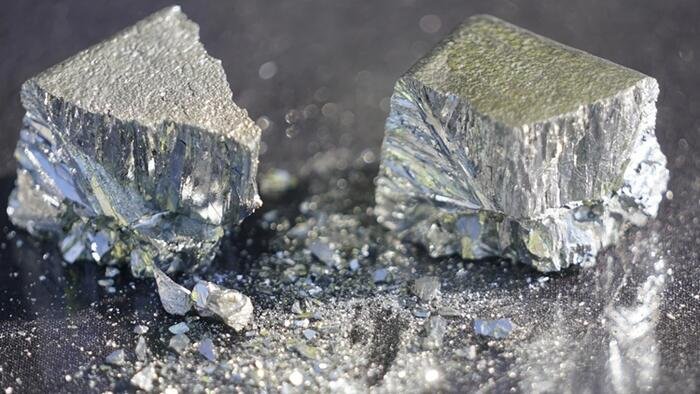
UK Foreign Secretary Yvette Cooper announced a strategic minerals agreement with Kazakhstan on Thursday, marking a shift in Western supply chains away from China. This move aligns with London’s efforts to diversify its critical mineral sourcing, as outlined in the British government’s Critical Mineral Strategy report from last year, which identified Kazakhstan as a key producer of essential minerals needed by the UK.
The agreement was unveiled during a summit at Lancaster House in London, where foreign ministers from Kazakhstan, Kyrgyzstan, Tajikistan, Turkmenistan, and Uzbekistan gathered. This development is likely to draw attention from Chinese officials, given Kazakhstan’s significant role as a supplier of uranium, titanium, copper, and zinc – making it a strong competitor to China in the rare Earth market.
Cooper emphasized the economic potential of Central Asia, stating that the agreements reached will benefit British businesses, enhance economic security, and demonstrate UK support for the independence of Central Asian states. A memorandum of understanding was signed by Kazakhstan’s Deputy Industry Minister and the UK Trade Minister during the summit.
The UK’s Critical Minerals Strategy aims to reduce dependence on any single country for critical minerals by 2035, in line with efforts to secure a more diverse and stable supply chain. This comes in response to China’s dominant position in the rare Earth market, driven by investments in rare earth projects across the world as part of the Belt and Road Initiative.
Overall, the UK, US, and Europe are increasingly recognizing the importance of securing alternative sources of critical minerals to reduce reliance on China and ensure a more resilient global supply chain. This shift reflects a broader strategic effort to address vulnerabilities in key industries such as defense, aerospace, and technology, where rare earth minerals play a crucial role.