
There have been similar systems in the blockchain space for quite some time. Early adopters may remember the numerous banks that participated in R3’s consortium back in 2016, or the enterprise players that were part of the Hyperledger ecosystem. Unfortunately, R3 faced setbacks when major banks like Goldman Sachs, Morgan Stanley, and Santander withdrew from the system before the year ended.
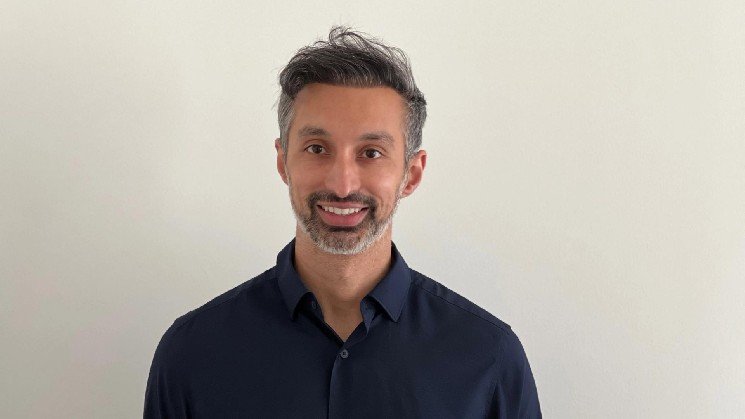
In an interview, Raman described the current state of consortium chains as “Consortium Chain 2.0,” predicting a competitive environment where different consortium chains will vie for dominance.
Raman compared Ethereum’s mainnet to the Hypertext Transfer Protocol (HTTP) of the internet. Just as HTTPS provides a more secure and private layer on top of HTTP, Raman believes that an open base layer is essential for maximum interoperability and liquidity in the blockchain space.
“We have always believed in the importance of a global, open, permissionless infrastructure as the foundation,” Raman stated. “Customizability and permissioning should be built on top of this base layer, whether at the application layer or the L2 layer.”