
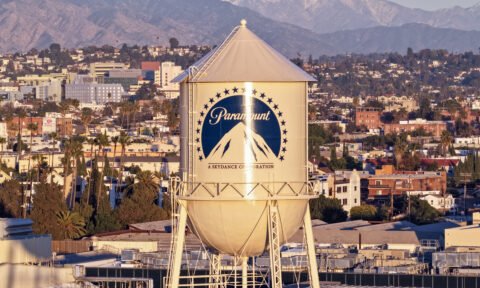
The deal isn’t done yet, but the proposed merger between Paramount and Warner Bros. Discovery just cleared a major hurdle — raising fresh questions about competition, what gets made, and the costs to consumers.
That consolidation would give the newly combined company outsized sway over what gets produced and how it’s distributed. For consumers, fewer competitors in the entertainment market could mean higher subscription prices and less choice down the road.
Meet MoneyNerd, your weekly news decoder
So much news. So little time. BW’s new weekly newsletter makes sense of the headlines that affect your wallet.
SUBSCRIBE FOR FREE
On Feb. 26, Netflix withdrew its bid, and the next day Paramount reached a $111 billion deal — $31 per share in cash — to merge with Warner Bros. Discovery. The deal was approved unanimously by the boards of directors of both companies.
“To buy something like Warner Bros. Discovery, holy cow, that’s a big library, and it raises all kinds of interesting future strategy questions,” Kathryn Harrigan, Henry R. Kravis professor of business leadership at Columbia Business School, told BW in December.
What a merger could mean for workers and creators
On April 13, over 1,000 Hollywood writers, actors, directors, and producers released an open letter opposing the merger. Among the signatories were actors like Pedro Pascal, Joaquin Phoenix, Ben Stiller, and Florence Pugh, alongside directors like Sofia Coppola and David Fincher.
In the letter, they warned that the merger would further concentrate power in an already consolidated media landscape, leaving just four major U.S. film studios: The Walt Disney Company, Comcast NBCUniversal, Sony Pictures Entertainment, and the combined Paramount Global-Warner Bros. Discovery. They say the deal would limit creative opportunities, put jobs at risk across production, increase costs, and reduce choice for audiences.
When companies start talking about “restructuring” and “consolidation,” layoffs usually follow behind the scenes. On screen, the ripple effects start to show: fewer projects, shorter theatrical runs, and less room for oddball or risky projects.
“What you’re seeing is only certain streaming services really can make prestige TV or push the envelope,” Anthony Palomba, assistant professor of business administration at the University of Virginia’s Darden School of Business and an expert on the entertainment industry told BW in December. “Artists now have fewer venues to create new content.”
Not everyone in Hollywood is so skeptical. AMC head Adam Aron said in a statement on April 16th that the world’s largest theater chain is in favor of the merger. “I greatly appreciate David Ellison’s track record of success and his passion to make movies that will dazzle audiences the world over,” said Aron. “In just the short time he has owned Paramount Pictures, he already has begun to assemble a superb team around him and already has been increasing the number of movies being greenlit at Paramount.”
The regulatory hurdles still ahead
The deal has cleared the boards of both companies and Warner Bros. shareholders, but it still faces scrutiny from regulators in the U.S. and Europe. The companies expect to close in the third quarter, pending approval.
Federal regulators did not move to block the deal during the initial review period under the Hart-Scott-Rodino Antitrust Improvements Act. However, the Department of Justice can still investigate the merger and potentially seek to block it.
The deal has drawn political criticism, in part due to President Donald Trump’s close ties to Larry and David Ellison, who are Paramount’s controlling shareholders, raising questions about oversight.
Democratic lawmakers have criticized the Trump administration for not investigating national security concerns associated with the deal, which is backed by billions of dollars from Middle Eastern funds, including Saudi Arabia’s Public Investment Fund (PIF), the Qatar Investment Authority (QIA), and the Abu Dhabi Investment Authority (ADIA).
At the state level, California Attorney General Rob Bonta said in February that the transaction “must receive a full and robust review” by the California Department of Justice.
The takeaway for subscribers
Don’t expect the status quo to continue if the deal is finalized.
For viewers, the idea of bundling services may sound like an appealing way to access more content without paying for multiple streaming services.
Paramount’s potential merger could lead to a shift in the streaming landscape, with fewer competitors allowing for potential subscription price increases. Streaming services are limited by detailed licensing agreements, making it challenging to combine content libraries seamlessly. The merger could also impact sports distribution, potentially consolidating major leagues under fewer platforms and introducing new paywalls or pricing tiers for fans.
If the deal goes through, Paramount would acquire a vast array of entertainment brands including Nickelodeon, Cartoon Network, Turner, HBO, Paramount+, CNN, and CBS. Their combined film library would exceed 15,000 titles, featuring popular franchises like Harry Potter, Lord of the Rings, Game of Thrones, Star Trek, Looney Toons, and the DC Universe. Additionally, Paramount would gain rights to major sports events such as the NFL, Olympics, UFC, PGA Tour, NHL, Big Ten and Big 12 Football, NCAA College Basketball, and Champions League soccer.
[Photo by Mario Tama/Getty Images News via Getty Images]
About the author:
Anna Helhoski is a senior writer at BW, covering economic news and consumer finance trends. She is a contributing producer for Money News segments on BW’s Smart Money podcast, specializing in student loans. With a background in journalism from Purchase College, State University of New York, Anna’s work has been featured in various national news outlets.